Why Phytic Acid Earns Its Place in Professional Brightening Protocols
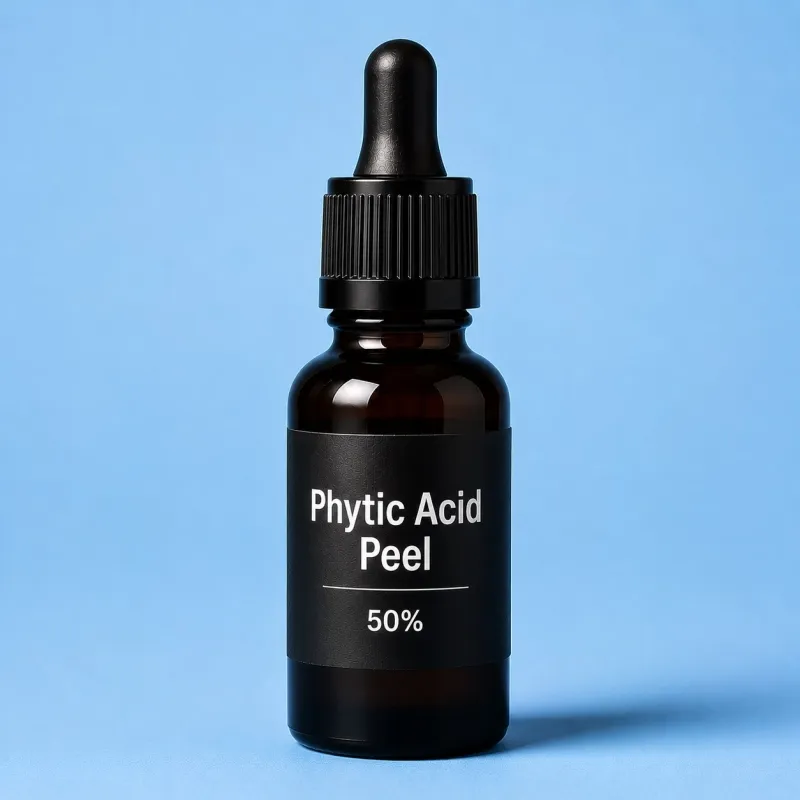
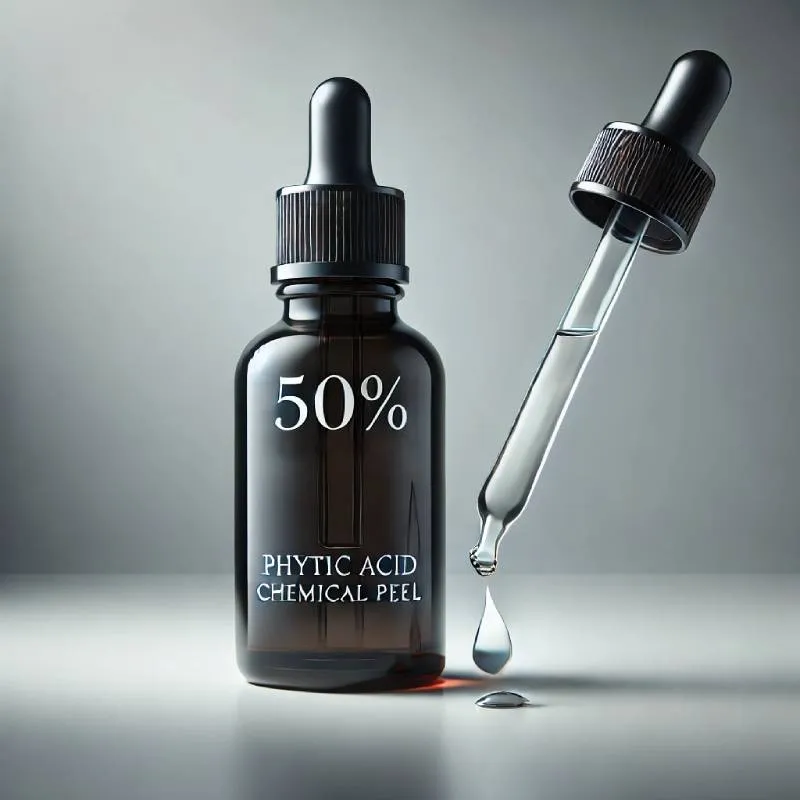
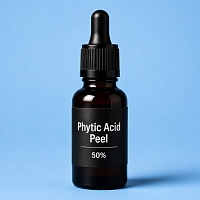
Phytic Acid Peel 50% in a 1 liter volume is built for cosmetology clinics, formulation labs and manufacturers who need a dependable bulk supply for ongoing treatments or private label production. This peel belongs to the Peelings for Skin category, which brings together acid-based exfoliants ranging from gentle surface renewal to deeper resurfacing. Derived from plant sources, phytic acid is valued for its ability to bind metal ions and slow oxidative processes, which is why it appears not only in skincare but also in formulations where oxidative stability matters.
The main use of this peel is addressing hyperpigmentation, post-acne marks and dull, uneven skin tone in a professional setting. Compared to stronger acids, phytic acid works gently, does not trigger photosensitivity and suits reactive or rosacea-prone skin. By chelating iron and copper at the skin surface, it reduces tyrosinase activity, the enzyme responsible for pigment production, gradually fading discoloration. Clinics typically run it as a course of 6 to 10 sessions spaced a week to ten days apart, or use it as a priming step before more intensive treatments.
This peel integrates smoothly into multi-step acid protocols. It is frequently paired with AHA Fruit Complex to boost surface exfoliation during the early stages of a course, and combined with Lactobionic Peel for a gentler, hydrating approach on mature or dehydrated skin. For clients ready for deeper intervention, practitioners alternate sessions with TCA Peel 25% following a structured schedule.
Dosage and contact time matter here: a thin layer left on for 5 to 15 minutes on the face, adjusted by skin sensitivity and treatment goal, with shorter exposure on body areas. Apply to clean, degreased skin at room temperature, no preheating is required. Sun protection and soothing aftercare are essential following treatment. Store the product tightly sealed, in a cool dark place, away from direct heat and metal containers to avoid unwanted reactions with the acid.
The 1 liter format supports the steady demand of salons, training centers and small-scale cosmetic manufacturers who need consistent raw material quality batch after batch. Beyond direct peel treatments, phytic acid is also introduced into serums and brightening creams during the cold phase of formulation, since it remains stable at moderate temperatures and needs no heating when added to a mixture.
Brightening After-Peel Gel for Studio Use
Phytic Acid Peel 50% - 30 ml
Distilled water - 120 ml
Panthenol liquid - 4 ml
Xanthan gum - 1 g
Disperse the xanthan gum into the water gradually while stirring to avoid clumps, let the mixture rest for a few minutes until it thickens slightly, then blend in the panthenol and finally the phytic acid peel until fully uniform. Store the finished gel in a dark bottle and apply a thin layer to clean skin for 10 minutes as a between-session brightening treatment, followed by moisturizer and sunscreen.