Why Phytic Acid Has Become a Trusted Choice for Gentle Skin Resurfacing
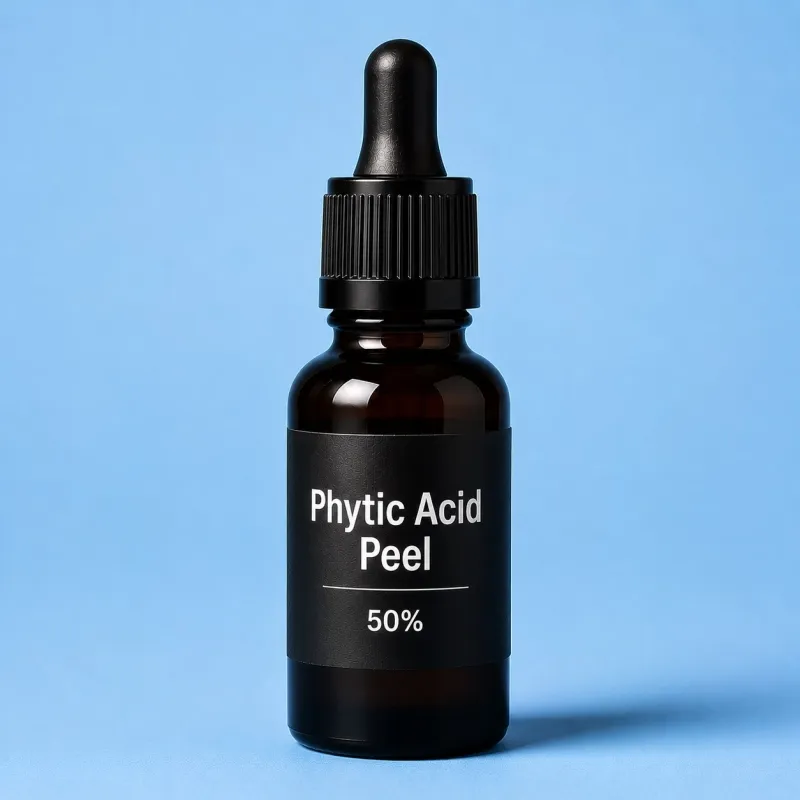
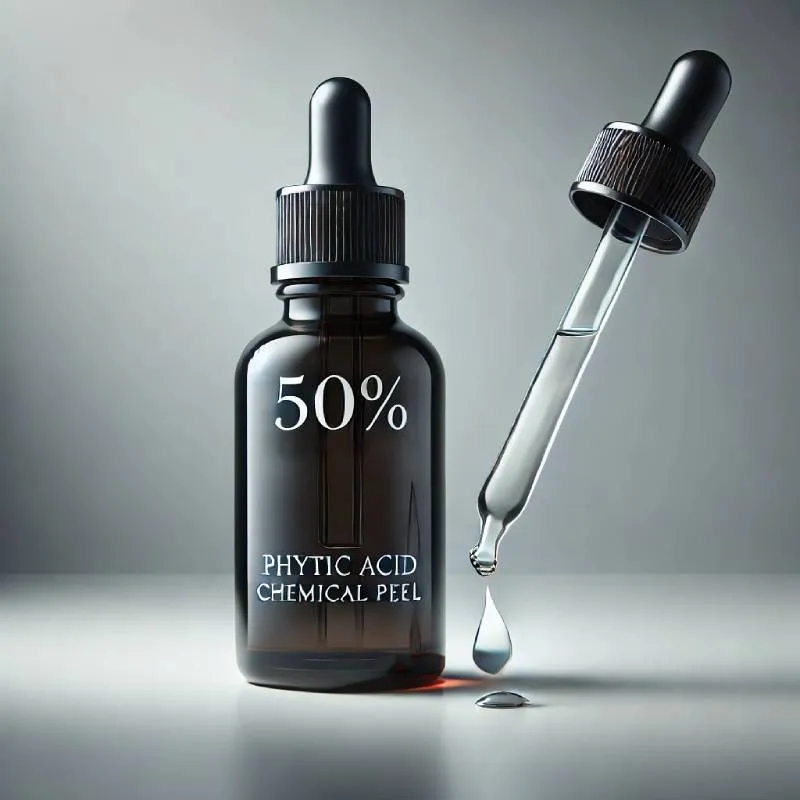
Phytic acid is widely valued in professional skincare formulation for offering one of the gentlest forms of chemical exfoliation available today. Unlike glycolic or salicylic acid, its molecule is larger, allowing it to penetrate the skin gradually and reducing the risk of irritation or visible peeling. This makes phytic acid peel particularly suitable for sensitive, reactive, and rosacea-prone skin types, and explains its growing popularity among estheticians, dermatology clinics, and small-batch cosmetic manufacturers. This product belongs to the Peelings for Skin category, which brings together acid-based formulas of varying strength for both professional and home use.
The primary application of 50 percent phytic acid concentrate lies in professional chemical peel treatments and formulation work by independent skincare brands. The acid demonstrates strong antioxidant behavior through its ability to chelate metal ions, which helps reduce oxidative stress in the skin and slow down visible signs of photoaging. Beyond exfoliation, it gently fades post-acne marks and hyperpigmentation, refines skin tone, minimizes the appearance of pores, and encourages cell renewal without the flaking commonly associated with stronger acids. For this reason, phytic acid is often recommended as an entry point for clients new to chemical peeling programs, or used as a maintenance step between more intensive treatments.
In formulations, 50 percent phytic acid is introduced into the cold or slightly warmed phase, diluted with distilled or deionized water to a working concentration between 2 and 10 percent depending on skin type and treatment goals. The recommended introduction temperature should not exceed 35 degrees Celsius, since excessive heat can reduce the acid's activity. It pairs well with hyaluronic acid, niacinamide, panthenol, and calming botanical extracts. In professional protocols, it is frequently alternated with deeper-acting peels such as the Salicylic Glycolic Peel pH 2.0 for combined acne and post-acne management, or the Resorcinol Peel pH 2.5 for more pronounced pigmentation correction on thicker skin types. To reinforce the restorative effect following treatment, many formulators add WORESANA concentrate, which enriches the aftercare routine with a dense complex of active compounds.
The 100 ml packaging is well suited for estheticians working in a studio setting as well as small cosmetic producers who need enough volume to test a formulation before scaling up or to maintain a stable supply for regular client sessions. This quantity supports dozens of individual treatments without frequent reordering. The concentrate should be stored in tightly sealed opaque or dark glass containers, kept away from direct sunlight at room temperature, and should not come into contact with metal tools, which can accelerate oxidation of the active compound.
When handling concentrated phytic acid, proper protection for hands and eyes is essential, and application to a client's face should only follow a preliminary patch test, especially for those without prior experience with acid treatments.
Brightening Weekly Treatment Mask
Phytic Acid Peel 50% - 7 ml
Aloe vera gel - 25 ml
Distilled water - 8 ml
Niacinamide powder - 1 gram
Dissolve
the niacinamide powder in distilled water until fully clear, then blend in the
aloe vera gel until smooth. Slowly incorporate the phytic acid peel while
stirring continuously to ensure even distribution. Apply the finished mask to
cleansed skin for 10 minutes, avoiding the eye area, then rinse with cool
water. Store the prepared mixture in a sealed container in the refrigerator for
no longer than three days.