-
 Absolutes
-
 Active Complexes
-
 Actives & Peptides
-
 Amino Acids & Proteins
-
 Food Flavors
-
 Ayurvedic Ingredients & Herbs
-
 Vitamins & Coenzymes
-
 Chocolate Making Supplies
-
 Thickeners & Gelling Agents
-
 Hydrosols & Floral Waters
-
 Hydrolyzed Proteins
-
 Fragrance Ingredients
-
 Nutraceutical Ingredients
-
 Acids, Salts, Alcohols & Alkalis
-
 Preservatives & Antioxidants
-
 Cosmetic Ingredients
-
 Colorants, Micas & Glitters
-
 Masks, Scrubs & Botanicals
-
 Oils & Butters
-
 Candle Making Supplies
-
 Melt and Pour Soap Bases
-
 Cream, Lotion & Hair Care Bases
-
 Fragrance Oils & Industrial Aromatics
-
 Cleansing Agents & Surfactants
-
 Peeling Actives & Acids
-
 Cosmetic Powders
-
 Solvents & Humectants
-
 Silicones & Conditioning Agents
-
 Bottles, Jars & Vials
-
 Silicone & Plastic Molds, Tools
-
 Botanical Extracts
-
 Cosmetic Emollients
-
 Emulsifiers
-
 Essential Oils
- Absolutes Wholesale 87
- Active Complexes for Cosmetics Wholesale 388
- Amino Acids & Proteins Wholesale 90
- Antioxidants Wholesale 293
- Ayurvedic Powders Wholesale 273
- Biocides Wholesale 16
- Thickeners and Gelling Agents in Bulk 112
- Bulk Hydrosols for Cosmetics 10
- Hydrocolloids in Bulk 5
- Hydrolyzed Proteins Wholesale 106
- Aromatic Fragrant Waters Wholesale 27
- Fragrance Ingredients Bulk 168
- Preservatives & Antioxidants Wholesale 157
- Corneotherapy Wholesale 10
- Cosmetic Clay Wholesale 14
- Neutralizers/pH Correctors Wholesale 17
- Surfactants Wholesale 144
- Cosmetic Peelings Wholesale 77
- Cosmetic Powders Wholesale 403
- Silicones and Conditioning Surfactants for Hair Wholesale 116
- Resins and Resinoids Wholesale 17
- UV and SPF Filters Wholesale 84
- Cosmetic Emollients Wholesale 132
- Emulsifiers Wholesale 328
- Enzymes, Filtrates and Lysates in Bulk 35


Ayurvedic Powders Wholesale

 Add to cart


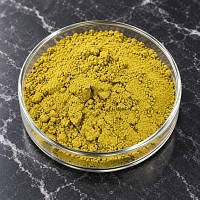


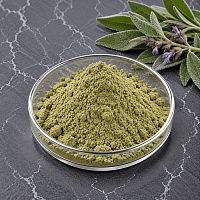
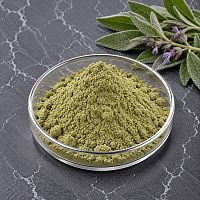


Plant powders for color texture and care in formulations
Ayurvedic powders are finely milled plant and mineral materials used in cosmetic manufacturing to add color, texture, mild exfoliation, or supportive skin conditioning properties to a formulation. This section brings together herbal leaf and root powders, clay based materials, and botanical extracts in dry form, sourced for both small batch makers and larger production lines. Each powder can be dosed precisely and blended into a wide range of bases.
These powders function as natural colorants in emulsions and anhydrous blends, as texturizing agents in scrub formulations, and as functional additives in masks, powders, and balm type products. Formulators often pair them with humectants or combine them alongside aromatic fragrant waters to build a complete sensory profile in a finished product. Since many powders are sensitive to moisture and oxidation, some manufacturers stabilize formulations further using ingredients from the preservatives and antioxidants range.
Root, leaf, and fruit powders compared
The range splits naturally by plant part and function. Root based powders such as Ayurvedic Ginger Root Powder and Comfrey root powder tend to carry warming or mucilage rich properties useful in balms and thicker anhydrous blends. Leaf and herb powders like Natural green tea powder bring finer particle size and softer green tones, while root aromatics such as Jatamansi Ayurvedic Powder contribute a distinct earthy note alongside color.
Fruit and vegetable derived powders form a separate group, valued mainly for pigment and mild texturizing effect. Natural Beetroot Powder, Natural Pumpkin Powder, Natural Carrot Powder, Kiwi powder, natural, and Mango Powder each carry their own shade range, from muted orange to soft yellow green, which lets a formulator fine tune the visual result of a cream, mask, or powder product without relying on synthetic pigments. A further category includes sweetener and binder type powders such as Ayurvedic Licorice Powder and raw apicultural materials like Flower pollen obnozhka, both used more for their conditioning and textural contribution than for strong color.
Choosing a powder and building a formula around it
Selection usually starts with the intended finish. A fine, low grit powder suits emulsions and liquid serums, while a coarser particle size is better reserved for scrub bases where a physical exfoliating feel is wanted. Color intensity, moisture content, and how a powder behaves once wetted are the three practical checks worth running on a small test batch before committing to a full production run.
Because these powders are dry actives, they are frequently combined with emulsifying systems from the Emulsifiers Wholesale range to disperse them evenly through a cream or lotion base, preventing clumping and ensuring consistent color across a batch. This is one of many possible uses, since the same powder can equally serve in an anhydrous balm, a compact powder product, or a rinse off mask depending on the rest of the formula.
Origin and storage considerations
Materials in this range are sourced from several countries, including Thailand, Ukraine, France, Germany, India, the United States, and Italy, depending on the specific plant or mineral origin. All powders should be kept sealed, away from direct light and moisture, since humidity is the main factor behind clumping and color drift over time. For production planning, it is worth noting that particle size and color depth can vary slightly between harvest batches, which is typical for botanically derived powders rather than a sign of inconsistent quality.
FAQ
What are ayurvedic powders used for in cosmetic making
They add natural color, mild texture, and functional properties to creams, masks, scrubs, and powder products. Formulators use them as colorants in anhydrous blends, as gentle exfoliants in scrubs, and as conditioning additives in clay masks and balm type products.
How do you dose plant powders in a formulation
Start with small percentages, often between half a percent and five percent depending on the powder and desired effect, then adjust based on color intensity or texture. Always test in a small batch first since pigment strength and particle size vary between botanical sources.
What is the difference between root leaf and fruit powders
Root powders like ginger typically offer warmer earthy tones and coarser texture, leaf powders tend to bring greener pigments and finer particles, while fruit powders often contribute lighter shades with subtle astringent properties. Each behaves differently once blended into a base.
How should ayurvedic powders be stored
Keep powders in sealed, moisture proof containers away from direct light and heat. Humidity and oxidation are the main risks to color stability and texture, so a cool dry storage area extends shelf life significantly.
Can these powders be combined with other cosmetic ingredients
Yes, they blend well with humectants, aromatic waters, and oils depending on the base type. Many manufacturers also pair them with antioxidants to help maintain color and stability over the life of the finished product.
Recommendations
When choosing an ayurvedic powder, match the plant part and particle fineness to your intended texture, coarser root powders suit scrubs while finely milled leaf powders work better in smooth masks or color blends. Request a small sample first to confirm shade consistency and behavior in your specific base, since natural pigment strength can vary between batches. For larger production runs, plan around a standard order assembly time of three to five business days. Reach out by email with your intended application and batch size, and our team can help match the right powder to your formulation.



