-
 Absolutes
-
 Active Complexes
-
 Actives & Peptides
-
 Amino Acids & Proteins
-
 Food Flavors
-
 Ayurvedic Ingredients & Herbs
-
 Vitamins & Coenzymes
-
 Chocolate Making Supplies
-
 Thickeners & Gelling Agents
-
 Hydrosols & Floral Waters
-
 Hydrolyzed Proteins
-
 Fragrance Ingredients
-
 Nutraceutical Ingredients
-
 Acids, Salts, Alcohols & Alkalis
-
 Preservatives & Antioxidants
-
 Cosmetic Ingredients
-
 Colorants, Micas & Glitters
-
 Masks, Scrubs & Botanicals
-
 Oils & Butters
-
 Candle Making Supplies
-
 Melt and Pour Soap Bases
-
 Cream, Lotion & Hair Care Bases
-
 Fragrance Oils & Industrial Aromatics
-
 Cleansing Agents & Surfactants
-
 Peeling Actives & Acids
-
 Cosmetic Powders
-
 Solvents & Humectants
-
 Silicones & Conditioning Agents
-
 Bottles, Jars & Vials
-
 Silicone & Plastic Molds, Tools
-
 Botanical Extracts
-
 Cosmetic Emollients
-
 Emulsifiers
-
 Essential Oils
- Gel Food Coloring Wholesale 39
- Cosmetic Pigments Wholesale 17
- Lipstick Pigments Wholesale 40
- Chocolate Colorants Wholesale 10
- Liquid Migrating Dyes Wholesale 24
- Oil Soluble Liquid Dyes Wholesale 17
- Liquid Ultra Pigments Wholesale 11
- Food Coloring Powders Wholesale 20
- Phosphors and Luminescent Powders Wholesale 21
- Natural colorants Wholesale 39
- Liquid Pearl Pigmen Wholesale 13
- Pearlescent Pigments Wholesale 222
- Liquid Pigments Wholesale 37
- Wholesale synthetic dyes 9
- Blended colorants Wholesale 33
- Oil Soluble Dye Powders Wholesale 11
- Pigment Powders Wholesale 16
- Fluorescent Neon Pigments Wholesale 55


Chocolate Colorants Wholesale

 Add to cart


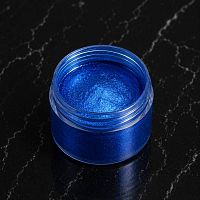


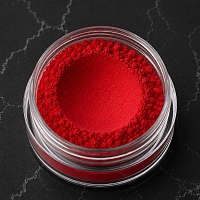
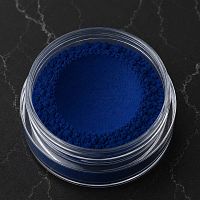
Fat-soluble pigments for cocoa butter and coating bases
This section brings together fat-dispersible colorants formulated to disperse evenly in cocoa butter, oil phases and other lipid-rich bases. Unlike water-based dyes, these pigments are designed to bind with fats rather than separate from them, giving a smooth, streak-free color result across a wide range of fat-based formulations.
Beyond confectionery coatings, the same fat-dispersible chemistry is widely used in lip products, balms, oil-based masks and other cosmetic emulsions where pigments need to stay suspended in an oil phase rather than migrate or clump. Formulators often pair these pigments with liquid pigments wholesale for layered color effects, or with liquid migrating dyes wholesale when a marbled or gradient look is the goal. Because these colorants are oil-compatible by design, they hold up well through tempering and repeated heating cycles common in both confectionery work and cosmetic manufacturing.
Varieties Within This Category
Fat-soluble pigments come in several physical forms, each suited to different processing needs. Dry pigment powders offer the most concentrated color and long shelf stability, making them a flexible starting point when a formulator wants to control saturation manually. For faster incorporation, oil soluble dye powders are pre-milled to blend smoothly into warm fat phases without extensive mixing.
Liquid formats sit at the other end of the spectrum. Oil soluble liquid dyes and their more concentrated counterparts, the pigments liquid ULTRA line, are already carrier-suspended, which shortens preparation time and reduces the risk of clumping. Formulators who want depth and dimension rather than flat color often turn to liquid pearl pigments for a soft sheen effect within the same fat-compatible base.
Choosing the Right Type and Building a Formula
Selection usually comes down to three factors: the fat content of the base, the working temperature during processing, and the finish the final product needs to have. A high-fat coating that goes through repeated tempering cycles benefits from powder forms with strong heat stability, while a lip balm or oil-based mask that is mixed at lower temperatures can work well with pre-dispersed liquid pigments that save time on the bench.
Color intensity and finish can also be layered within a single formulation. Combining a solid base tone from powders with accents from gel-based colorants is one way to build contrast in coating work, while pairing fat-soluble pigments with phosphors and luminescent powders or fluorescent neon pigments opens up decorative effects for specialty cosmetic and confectionery work alike. Since these colorants are built to stay suspended in an oil phase, they generally do not require additional emulsifying support to remain evenly distributed.
Storage and Handling
Because fat-soluble pigments are formulated around lipid compatibility, they should be kept away from heat sources and direct sunlight, which can affect both color stability and the fat carrier itself over time. Sealed, cool, dry storage helps preserve consistency between batches, particularly for powder forms that are sensitive to moisture uptake. Checking texture and dispersion before each new production run is a practical habit, since fat-based carriers can shift slightly in consistency across different storage conditions and seasons.
FAQ
What is the difference between fat-soluble pigments and regular cosmetic colorants?
Fat-soluble pigments are engineered to disperse evenly in oils, butters and lipid-rich bases without separating or clumping. Regular water-based colorants tend to bleed or streak in oil phases, while these pigments bind directly with fats for a smooth, consistent finish across coatings and emulsions.
Can fat-dispersible pigments be used in lip products and balms?
Yes, these pigments are widely used in lip balms, oil-based masks and similar cosmetic emulsions where color needs to remain suspended in an oil phase. Their fat-compatible structure prevents migration or clumping, making them a practical choice beyond confectionery coating work.
How should fat-soluble pigment powders be stored?
Keep pigment powders in a cool, dry place away from direct sunlight and moisture, sealed tightly between uses. Proper storage preserves color intensity and prevents clumping, extending shelf life across repeated batches and formulations.
Can these pigments be combined with liquid colorants for layered effects?
Yes, fat-dispersible pigments are often paired with liquid pigments or liquid migrating dyes to create layered, marbled or gradient color effects. Formulators mix forms depending on the depth, movement and finish they want in the final base.
Recommendations
When selecting a fat-soluble pigment, match the form to your process: powders suit precise, concentrated color control, while pre-dispersed options save time in repeated batches. Check how the pigment performs through tempering and reheating cycles if your formulation involves multiple heat passes. For guidance on choosing the right shade or dispersion for a specific base, reach out to our team by email and we will help you find a suitable option for your production line.



