
-
 Absolutes
-
 Active Complexes
-
 Actives & Peptides
-
 Amino Acids & Proteins
-
 Food Flavors
-
 Ayurvedic Ingredients & Herbs
-
 Vitamins & Coenzymes
-
 Chocolate Making Supplies
-
 Thickeners & Gelling Agents
-
 Hydrosols & Floral Waters
-
 Hydrolyzed Proteins
-
 Fragrance Ingredients
-
 Nutraceutical Ingredients
-
 Acids, Salts, Alcohols & Alkalis
-
 Preservatives & Antioxidants
-
 Cosmetic Ingredients
-
 Colorants, Micas & Glitters
-
 Masks, Scrubs & Botanicals
-
 Oils & Butters
-
 Candle Making Supplies
-
 Melt and Pour Soap Bases
-
 Cream, Lotion & Hair Care Bases
-
 Fragrance Oils & Industrial Aromatics
-
 Cleansing Agents & Surfactants
-
 Peeling Actives & Acids
-
 Cosmetic Powders
-
 Solvents & Humectants
-
 Silicones & Conditioning Agents
-
 Bottles, Jars & Vials
-
 Silicone & Plastic Molds, Tools
-
 Botanical Extracts
-
 Cosmetic Emollients
-
 Emulsifiers
-
 Essential Oils
- Ingredients for Bath Bomb and Fizzer 218
- Soap Bouquet Crafting Materials 490
- Slime Supplies: Ingredients and Additives 560
- Shampoo ingredients 409
- DIY Perfume Supplies 986
- Deodorant Components 90
- Cold process soap ingredients 96
- Components for lipstick, balm, lip gloss 374
- Sun protection components 259
- Components for washing powder 62
- Bath products 88
- Ingredients for cleaning products 71
- Ingredients for Alginate Masks 36
- Shampoo Ingredients Wholesale 530
- DIY Perfume Supplies Wholesale 1050
- Chocolate Ingredients Wholesale 71
- Components for washing powder Wholesale 64
Cold process soap ingredients
 Add to cart
Read more
 Add to cart
Read more
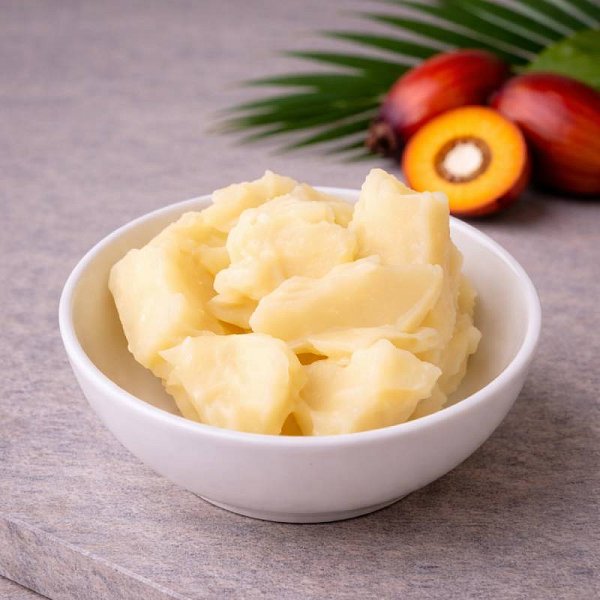
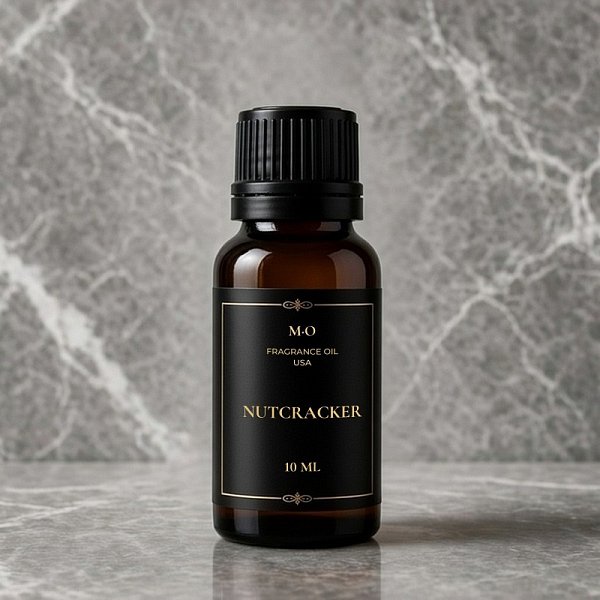
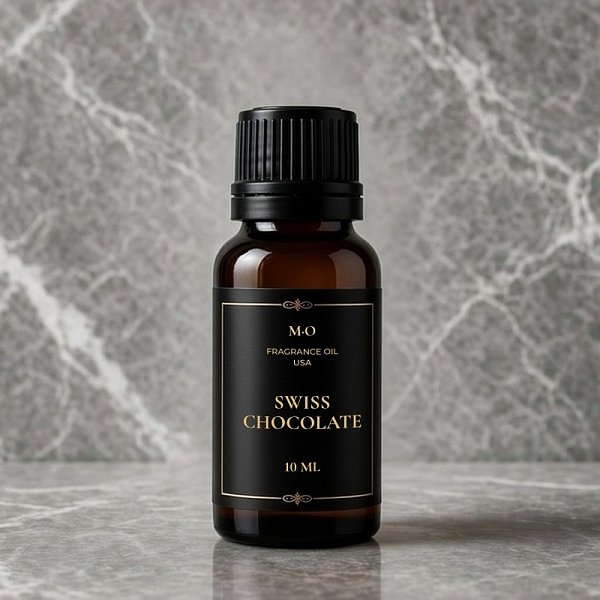
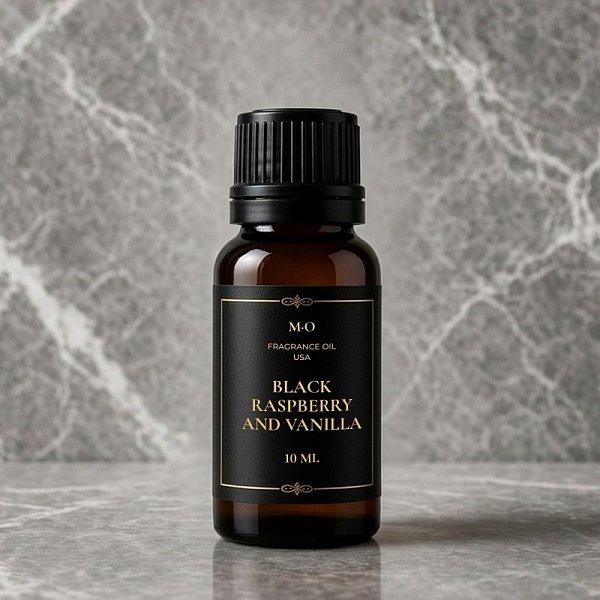
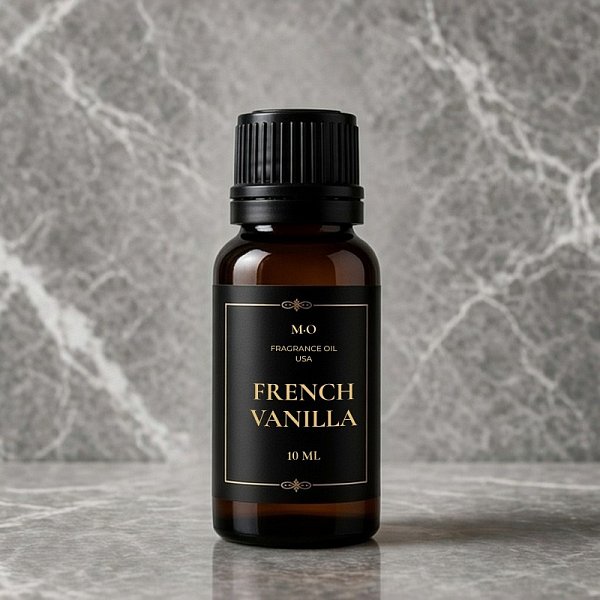
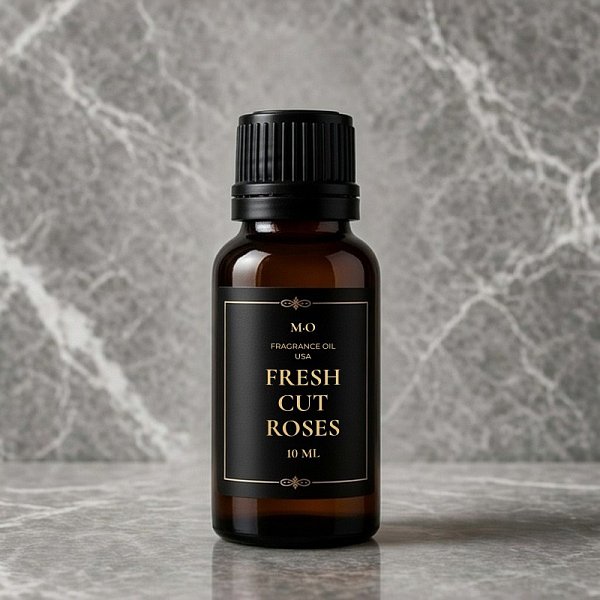
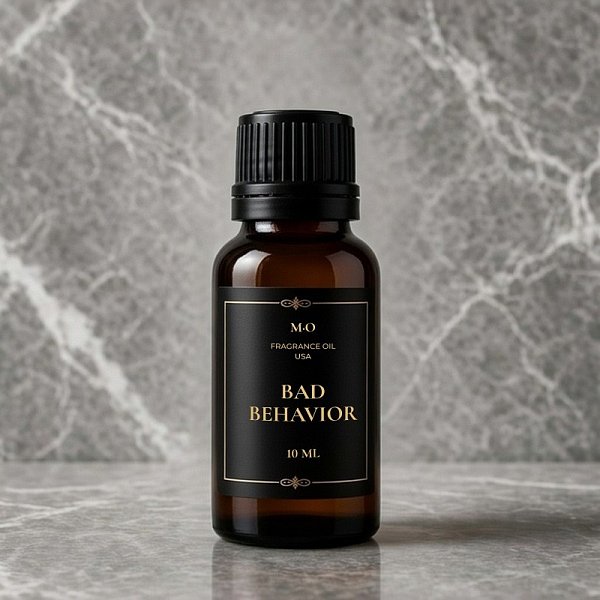
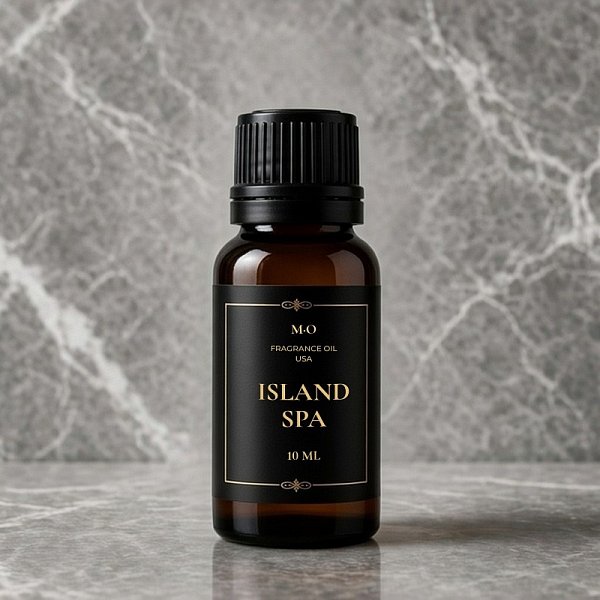
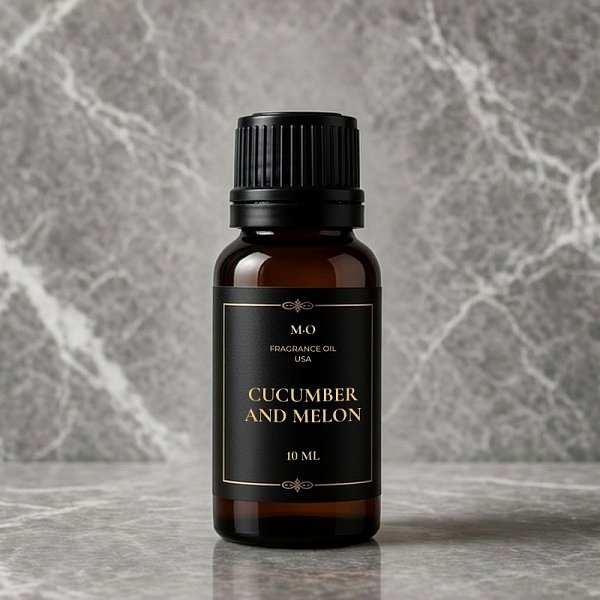
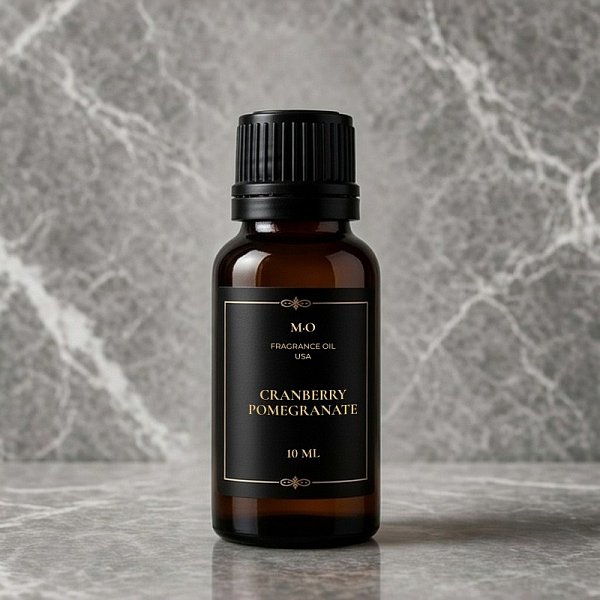
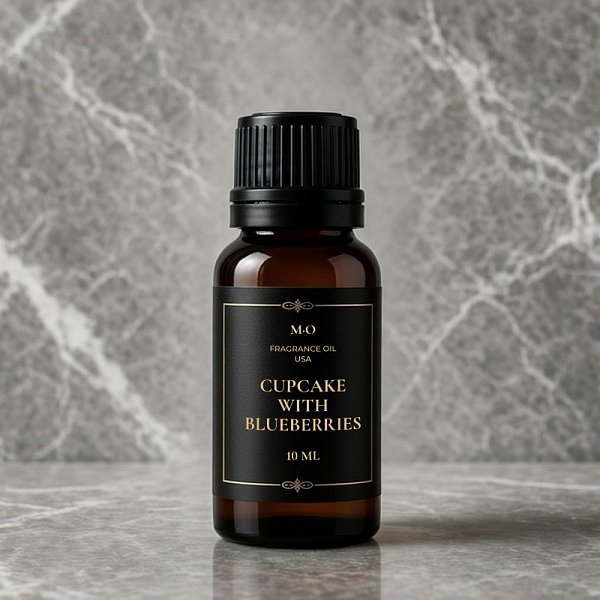
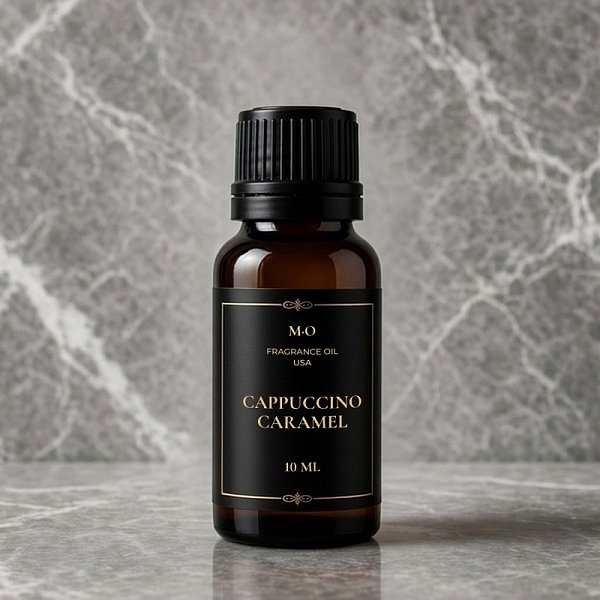
Core materials for cold process soap making
This section gathers base oils, butters, colorants and texture agents used to build cold process recipes. Each ingredient arrives separately so formulators can adjust ratios freely and control hardness, lather and moisture in the finished bar. Fatty acid profiles from the oils shape how the batch traces, sets and hardens over time.
Oil versus butter differences
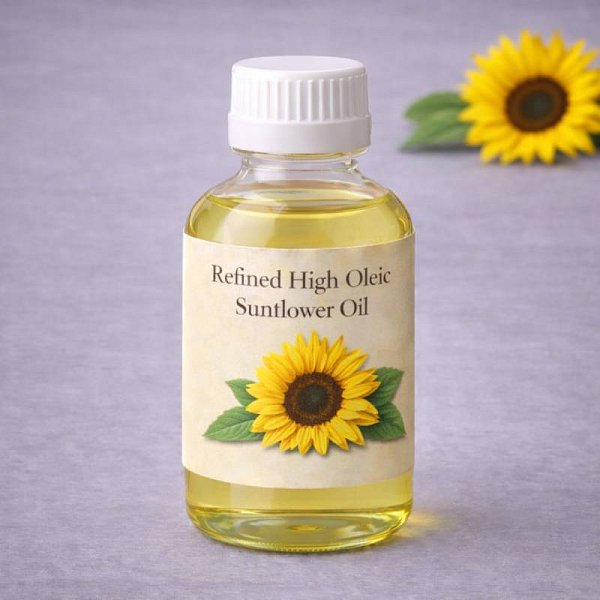
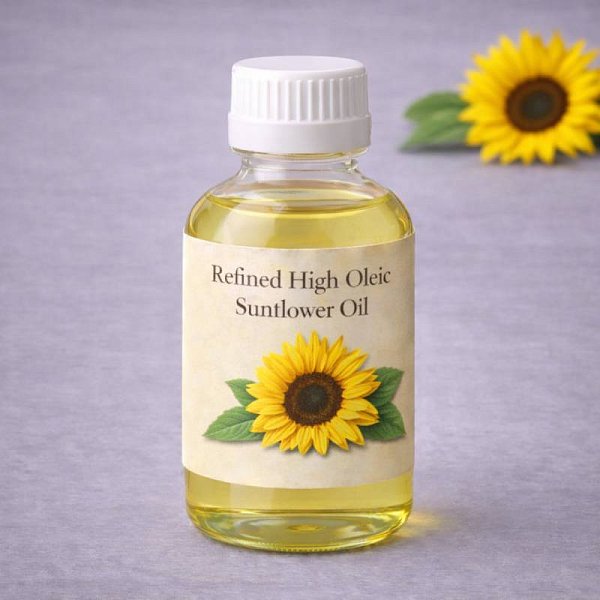
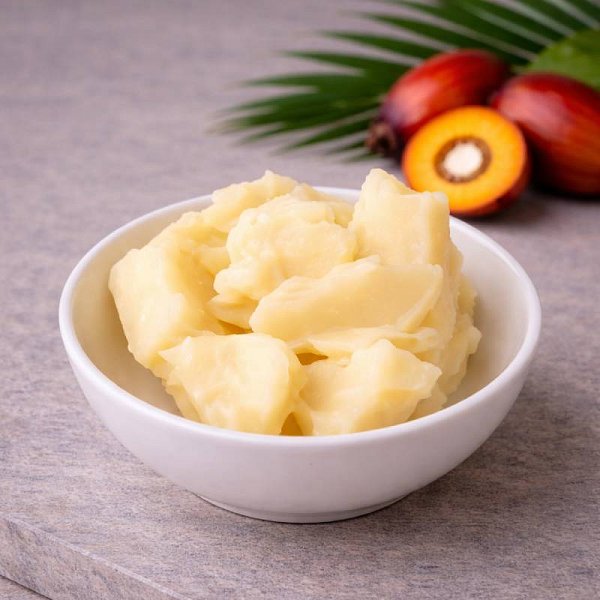
Liquid oils and solid butters behave differently. Unrefined mustard oil brings a distinct penetrating character, castor oil adds viscosity and gloss. Light options such as apricot kernel oil absorb quickly and leave a softer finish without greasiness. Mango butter stays firm at room temperature and supplies body that helps the bar keep its shape.
Selecting ingredients for a formula
Choice begins with the role the ingredient must play. Butters are preferred when firmness and structure matter, while liquid oils suit spreadability and a lighter after-feel. Combining a firm butter with a lighter oil balances both properties in one batch. The same materials appear in Functional Components where similar selection logic applies.
Colorants and texture agents
Colorants and texture agents set the visual identity and the behavior of the mass regardless of the base. They allow pastel or saturated shades and help regulate trace speed.
Cross-category use
Many of the oils and butters listed here also serve in decorative projects and perfume blends. The same base materials support work in DIY Perfume Supplies where emphasis lies on scent stability and compatibility with the fatty phase.
Pack sizes for different scales
Small-batch makers and laboratories choose convenient sizes: small packs for testing and larger ones for repeated production. Mango butter comes in 25 g and 100 g options that simplify formula checks before scaling.
Storage and consistency
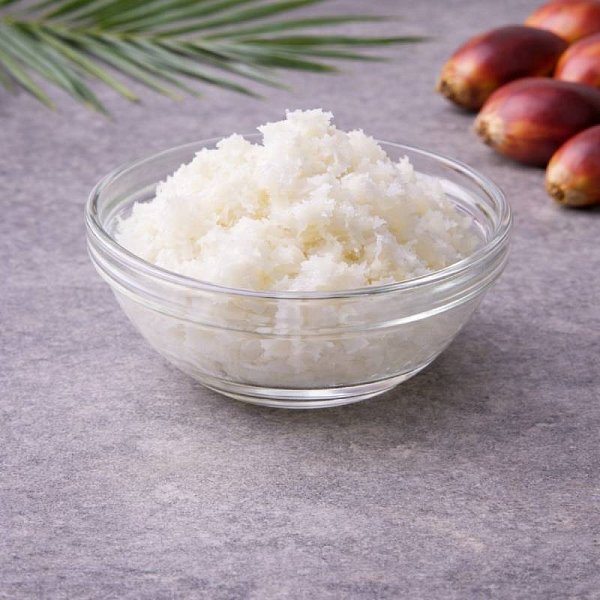
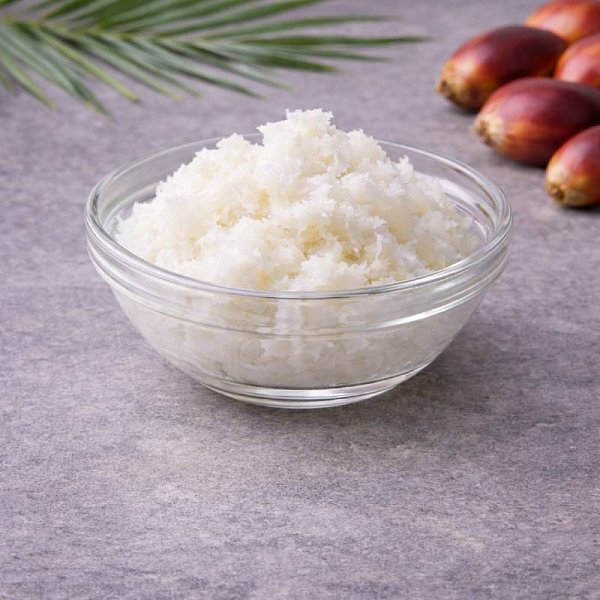
Oils and butters are kept cool and protected from light. Consistent properties from batch to batch support repeatable results when scaling recipes. Additional materials such as Refined Shea Butter 900 g extend the range of textures without changing core formulation logic.
Formulation applications
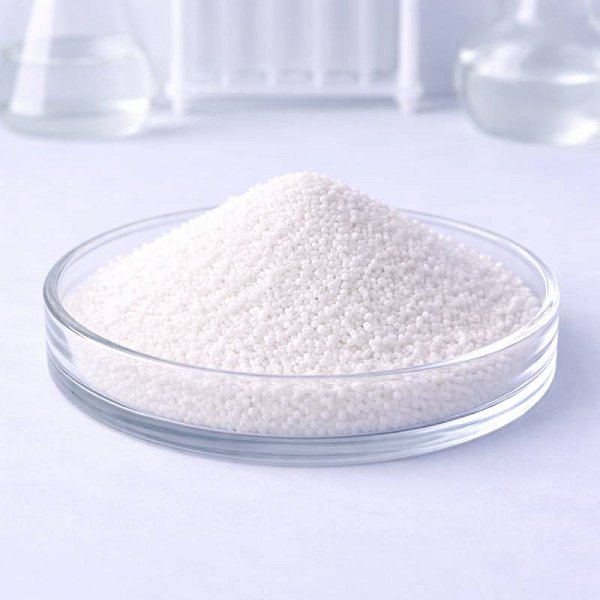
Base oils and butters combine with thickeners and colorants to produce stable bars. Poloxamer 188 is often added to improve solubility and texture in selected recipes, and Poloxamer 188, 1 kg suits regular use.
FAQ
Can the same colorant be used across different soap types?
Most colorants in the section perform in various bases; only the dosage needs adjustment according to the fat content of the mass.
How does mango butter affect setting time?
Mango butter increases firmness and may slow the hardening process slightly, so it is introduced in moderate amounts.
Should oils be stored separately from colorants?
Separate storage is recommended to prevent accidental staining or odor changes during prolonged contact.
Are these materials suitable for fragrance experiments?
Yes, the oils and butters pair well with aromatic compositions; compatibility checks on small batches remain advisable.



