Bulk Reagent Behind Metal Descaling, Textile Mordanting and Beekeeping Treatments
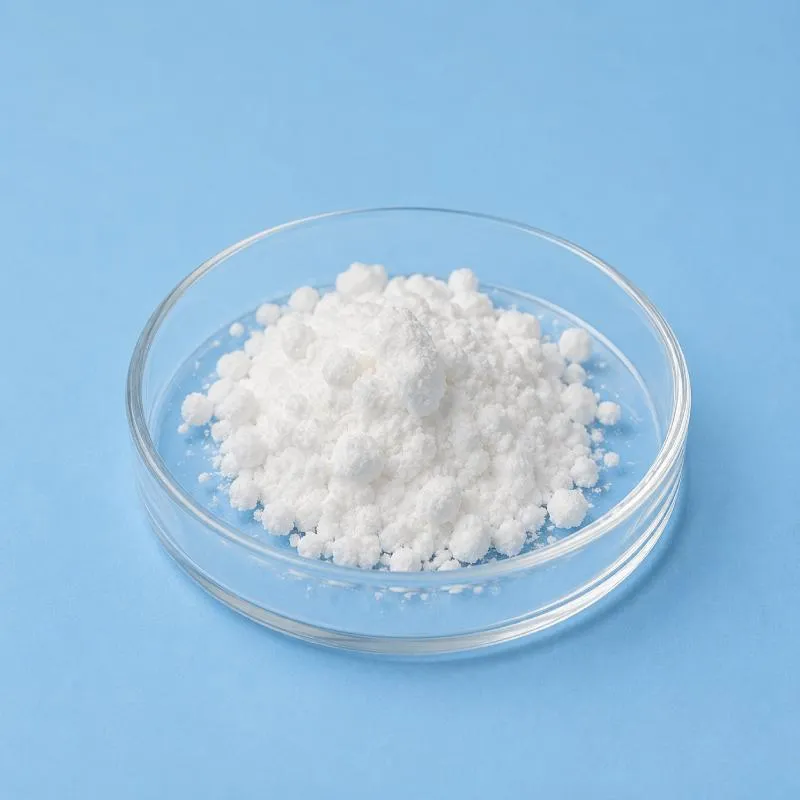
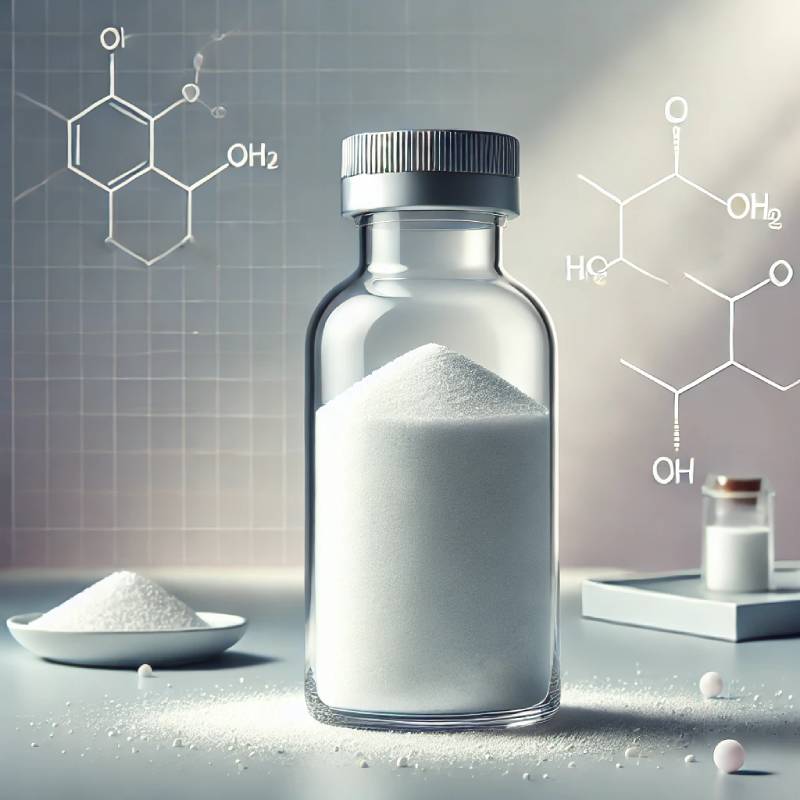
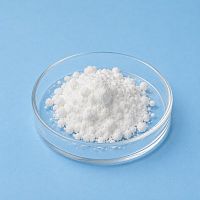
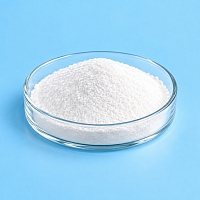
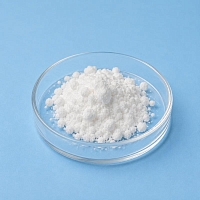
Oxalic acid supplied from 25 kg is aimed at operations that need a steady, large-scale supply of raw material rather than a one-off purchase — metal finishing shops, textile and leather plants, household chemical lines, beekeeping cooperatives and industrial cleaning companies. This grade belongs to the Acids, Salts, Alcohols, and Alkalis Wholesale
section, which brings together reagents used across many industrial formulations, letting a single delivery cover a season or a full production cycle without risking a line stoppage.
The single largest global use of oxalic acid is descaling and rust removal from metal surfaces. It forms the base of industrial and household products for cleaning radiators, heat exchangers and plumbing fixtures, as well as etching and polishing solutions used before painting or electroplating. In metallurgy and precision manufacturing the acid removes oxide films and prepares parts for further processing steps.
The second major consumer is the textile and leather industry, where oxalic acid acts as a mordant in dyeing, helping fix pigments and clear stray stains, while in leather processing it is used at bleaching and post-tanning stages. In woodworking and furniture restoration a diluted solution bleaches timber and removes dark stains left by metal contact or moisture before finishing.
A separate, remarkably stable demand segment is beekeeping. Oxalic acid solutions are applied to treat hives against Varroa mites in autumn and spring, which is exactly why this bulk packaging is popular among wholesale suppliers of beekeeping supplies and cooperatives. The working solution concentration is always calculated for the specific treatment protocol, and the crystalline acid should be stored dry, tightly sealed, away from alkalis and direct sunlight, at room temperature.
In household chemistry the acid is used in toilet bowl cleaners, tile cleaners, metal polish and rust-stain removers, typically at 3 to 10 percent of the finished formula, added during the water-phase mixing stage at room temperature without heating. Manufacturers ordering from this section often complete their purchase with related acids: the preservative Sorbic acid 1 kg is chosen to stabilize aqueous formulas in household chemistry and cosmetics, while skincare labs placing a technical order for oxalic acid frequently add the milder Lactobionic acid 1 kg for hydrating formulations. Facilities running candle lines often add Palmitic Acid 1 kg to the same order for wax and fatty compositions.
When handling this bulk packaging, standard safety practices apply: gloves and eye protection, mixing solutions in a ventilated area, and avoiding contact with alkalis or chlorine-based products. Bags should be stored on pallets in a dry warehouse with limited moisture exposure; shelf life under proper storage typically runs several years.
Descaling Solution for Radiators and Heat Exchangers
Oxalic acid 700 g
Distilled water 9300 ml
Add
the acid crystals gradually to room-temperature water while stirring
continuously until fully dissolved with no residue left. Pour the finished
solution into the fouled radiator or heat exchanger circuit and let it sit for
30 to 45 minutes depending on scale thickness, then flush the system thoroughly
with clean water until no traces of acid remain. Store the working solution in
a tightly sealed plastic container for no longer than three weeks, in a cool
place out of children's reach and away from alkaline products.