-
 Absolutes
-
 Active Complexes
-
 Actives & Peptides
-
 Amino Acids & Proteins
-
 Food Flavors
-
 Ayurvedic Ingredients & Herbs
-
 Vitamins & Coenzymes
-
 Chocolate Making Supplies
-
 Thickeners & Gelling Agents
-
 Hydrosols & Floral Waters
-
 Hydrolyzed Proteins
-
 Fragrance Ingredients
-
 Nutraceutical Ingredients
-
 Acids, Salts, Alcohols & Alkalis
-
 Preservatives & Antioxidants
-
 Cosmetic Ingredients
-
 Colorants, Micas & Glitters
-
 Masks, Scrubs & Botanicals
-
 Oils & Butters
-
 Candle Making Supplies
-
 Melt and Pour Soap Bases
-
 Cream, Lotion & Hair Care Bases
-
 Fragrance Oils & Industrial Aromatics
-
 Cleansing Agents & Surfactants
-
 Peeling Actives & Acids
-
 Cosmetic Powders
-
 Solvents & Humectants
-
 Silicones & Conditioning Agents
-
 Bottles, Jars & Vials
-
 Silicone & Plastic Molds, Tools
-
 Botanical Extracts
-
 Cosmetic Emollients
-
 Emulsifiers
-
 Essential Oils


Candle Colorants Wholesale

 Add to cart


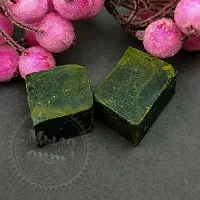
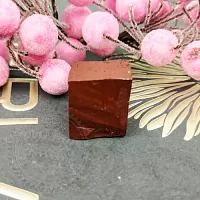


Pigments and dyes for shaping wax color
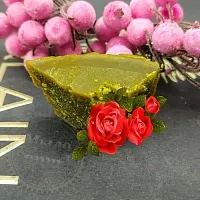
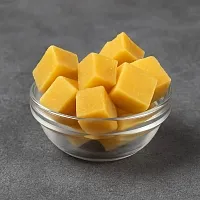
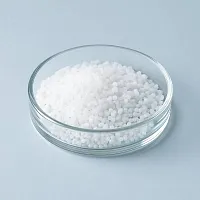
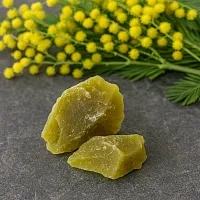
This section covers coloring agents formulated for wax based projects, including liquid dyes, powder pigments and dye chips designed to blend evenly into melted wax without streaking or clumping. The range includes concentrated shades that can be adjusted from pastel tones to deep saturated colors depending on the amount used, giving makers flexibility across different wax types and finished formats.
These colorants suit a wide range of wax work, from container candles and pillars to wax melts, tarts and decorative pours, since the pigment disperses through the wax base rather than sitting only on the surface. Many makers pair colorants with scent development, and the Candle Fragrances Oils Wholesale section covers compatible fragrance oils for the same batches.
Color choice also depends on the base material used in the pour, and the broader Raw materials for candles section lists waxes and additives that affect how a given pigment ultimately reads once cooled and cured.
Shade families and how they perform in wax
Within this range, shades split into a few practical families rather than a simple color wheel. Bright, clear tones such as the Bright Pink Wax Dye for Candles 1 kg and the Yellow Wax Dye for Candles 1 kg disperse into light, uniform color at low dosage and read well in translucent pours. Deeper, muted shades like the Burgundy Wax Dye for Candles 1 kg, the Ruby Wax Dye for Candles 1 kg and the Purple Wax Dye for Candles 1 kg need a higher concentration to reach full saturation and tend to hold their tone better in opaque, dense wax blocks. A third group, exemplified by the Dark Yellow Wax Dye for Candles 1 kg and the Dark Blue Wax Dye for Candles 1 kg, sits between the two extremes and is often used to create layered gradients across a single pour.
The practical difference between these groups is not only visual intensity but also how they behave once the wax cools. Lighter shades are more forgiving of small dosing errors, while the darker and more concentrated dyes can shift noticeably with even a slight change in quantity, so batch consistency matters more once a maker moves toward production scale.
Choosing a shade and building a working formula
Selecting the right dye depends on the wax base, the finished format and the depth of color the project calls for. Paraffin, soy and blended waxes each absorb pigment differently, which is why testing a small sample batch before committing to a full pour remains standard practice regardless of the shade chosen. The broader range of raw materials for candles is where these bases, along with additives that affect hardness and burn behavior, are sourced alongside the colorants.
Color rarely works in isolation from scent and equipment. Fragrance oils are usually blended into the same melted wax before the dye is added, and stable, well tested equipment helps keep dosing accurate from batch to batch. Makers working at a larger scale often rely on the tools and equipment covered in the Candle making tools Wholesale section to keep measurements and pour temperatures consistent when color accuracy matters across a full production run.
Origin and storage
The dyes in this section are sourced from Germany, with formulations built specifically for wax compatibility rather than general purpose coloring. Keeping containers sealed and stored away from direct heat and sunlight helps preserve both the concentration and the true shade of the pigment over time, which matters most for makers who keep a full color range on hand for repeat production.
FAQ
What is the difference between liquid dye and powder pigment for wax
Liquid dyes blend instantly into melted wax and give smooth, transparent to medium color depth, while powder pigments offer denser, more opaque coverage and stronger saturation. Powders need thorough stirring to avoid specks, whereas liquid dyes disperse on their own within seconds of contact with hot wax.
How much colorant should be used per batch of wax
Amounts vary by desired shade and wax type, starting with a small quantity and adding gradually until the target tone is reached. Pastel results need only a trace amount, while deep, saturated colors require a higher concentration, so testing on a small pour first helps confirm the final cured shade.
Can the same pigment be used across different wax types
Most colorants in this range are designed to disperse across common wax bases, though exact results depend on melting temperature and additive content. Checking a small test pour with the specific wax being used helps confirm how a shade develops before committing a full batch.
How should wax pigments and dyes be stored
Keep colorants in a closed container away from direct sunlight and heat to prevent fading or clumping over time. Powder pigments should stay dry to avoid caking, while liquid dyes are best kept tightly sealed to maintain consistent color strength between uses.
Recommendations
Choosing the right colorant comes down to matching the pigment type to the wax base and pour style planned for a given batch. Powders suit opaque, richly saturated finishes, while liquid dyes work well for lighter tones and quick blending. Testing a small sample pour before scaling up helps confirm how a shade cures and settles. For guidance on selecting a shade or requesting a specific batch, reach out by email and our team will help match the right colorant to the project.