-
 Absolutes
-
 Active Complexes
-
 Actives & Peptides
-
 Amino Acids & Proteins
-
 Food Flavors
-
 Ayurvedic Ingredients & Herbs
-
 Vitamins & Coenzymes
-
 Chocolate Making Supplies
-
 Thickeners & Gelling Agents
-
 Hydrosols & Floral Waters
-
 Hydrolyzed Proteins
-
 Fragrance Ingredients
-
 Nutraceutical Ingredients
-
 Acids, Salts, Alcohols & Alkalis
-
 Preservatives & Antioxidants
-
 Cosmetic Ingredients
-
 Colorants, Micas & Glitters
-
 Masks, Scrubs & Botanicals
-
 Oils & Butters
-
 Candle Making Supplies
-
 Melt and Pour Soap Bases
-
 Cream, Lotion & Hair Care Bases
-
 Fragrance Oils & Industrial Aromatics
-
 Cleansing Agents & Surfactants
-
 Peeling Actives & Acids
-
 Cosmetic Powders
-
 Solvents & Humectants
-
 Silicones & Conditioning Agents
-
 Bottles, Jars & Vials
-
 Silicone & Plastic Molds, Tools
-
 Botanical Extracts
-
 Cosmetic Emollients
-
 Emulsifiers
-
 Essential Oils
- Alginate Face Masks 115
- Bath Beads and Pearls 75
- Waxes for cosmetics 69
- Cosmetic Clay 45
- Face and Body Masks 89
- Scrubs for Cosmetic Production 113
- Bath Salts 48
- Natural dried flowers 37
- Alginate Masks Wholesale 176
- Clays for Cosmetics Wholesale 35
- Additives for Cosmetics Wholesale 327
- Face and Body Masks Wholesale 175
- Scrub Ingredients Wholesale 121
- Bath Salt Wholesale 57
- Cosmetic Clays Wholesale 4


Scrub Ingredients Wholesale

 Add to cart


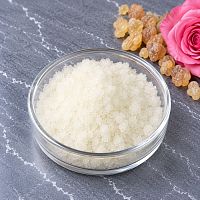

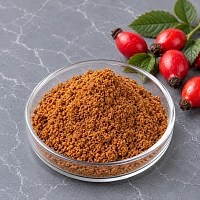


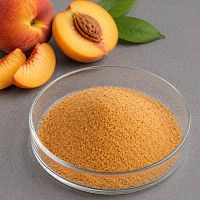


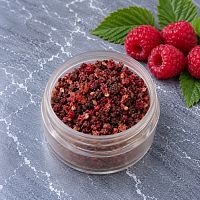

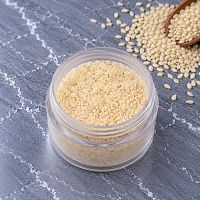


Exfoliating raw materials for face and body formulas
This section brings together the raw materials used to build physical exfoliation into cosmetic formulas, including natural abrasive particles, ground shells, seed powders, mineral grains and synthetic texturizing agents. Formulators use these components to control particle size, hardness and dispersion within creams, gels and rinse off products. The range covers both fine and coarse fractions suited to different skin zones and product concepts.
These ingredients are blended into body scrubs, facial polishes, foot care balms and exfoliating cleansing gels, where particle shape and density affect both texture and sensory feel on the skin. Formulators also combine abrasive fractions with oils, butters and surfactant bases to fine tune slip and rinse off behavior. For finished formulas that pair exfoliants with functional boosters, the Additives for Cosmetics Wholesale section offers complementary actives, while decorative botanicals from Natural dried flowers are often layered into the same visual concept for masks and scrub jars.
Particle types and how they differ
Exfoliating raw materials fall into distinct groups based on origin and structure. Ground shell and seed fractions, such as the coarse texture found in Grape Seed Scrub 1 kg or the finer Grape seed body scrub 1 kg, deliver a firm, angular grain that works well for callused areas and body formulas needing stronger mechanical action. Cellulose based options like the Cellulose Coconut Scrub 1 kg offer a softer, more rounded particle that suits sensitive skin zones and rinses off cleanly without leaving residue in the tub or sink. Plant based powders, including the Oat Powder Scrub 1 kg, the Corn scrub BIO 1 kg and the Flax Scrub 1 kg, sit on the gentler end of the spectrum and are frequently chosen for facial formulas where a lighter abrasive touch is required. Roasted particles such as the Coffee Scrub 1 kg add both texture and a distinct visual profile to a finished product, while wax based granules like the Jojoba Granules White, 1 kg soften gradually during use, making them a common pick for facial polishes that should not feel harsh.
Choosing a grade and building a formula
Selecting the right exfoliant depends on particle hardness, grain size and how the material behaves once blended with oils, butters or surfactant bases. Coarser fractions suit foot balms and body scrubs meant for thicker skin, while finer powders are better matched to facial polishes and cleansing gels where comfort on delicate zones matters more than aggressive abrasion. Coconut derived options, including Organic coconut granules BIO 100 g and the larger Organic coconut granules BIO 1 kg, give formulators flexibility to test small batches before scaling up production volumes. Fruit derived textures such as the Grape peel scrub, 1 kg bring a distinct fibrous quality that pairs well with richer emulsions. These abrasive fractions are rarely used alone in a finished formula, they typically work alongside carrier oils, film formers and skin conditioning agents that carry the particles and control how they release into the skin during application. Some formulators also draw on structuring materials from the Waxes for cosmetics section to stabilize a scrub base and keep particles evenly suspended rather than settling at the bottom of a jar.
Origin and storage notes
Raw materials in this category arrive from a range of sourcing regions, including Germany, Ukraine, Tunisia, Malaysia, Thailand, Japan, Poland and Sri Lanka, reflecting the variety of plant and mineral sources behind different particle types. Because most of these materials are organic in nature, dry storage away from direct heat and moisture helps preserve particle integrity and prevents clumping over time, particularly for finer powders. Packaging sizes generally range from smaller test batches to bulk kilogram formats, allowing both small workshops and larger production lines to order according to their formulation needs.
FAQ
What is the difference between natural and synthetic exfoliating particles in cosmetic formulas?
Natural particles like ground shells or seed powders have irregular edges and variable hardness, while synthetic texturizing agents offer uniform shape and predictable dispersion. Formulators choose between them based on desired abrasiveness, biodegradability requirements and how the particle behaves when blended into oils or surfactant bases.
How do you choose the right particle size for a scrub or facial polish formula?
Particle size depends on the target skin zone and intended intensity. Finer fractions suit facial polishes and sensitive areas, while coarser grains work better in body scrubs and foot care balms. Testing dispersion within your base and checking rinse off behavior helps confirm the right fraction for your formula.
Can exfoliating raw materials be combined with oils and butters in one formula?
Yes, abrasive fractions are commonly blended with oils, butters and surfactant systems to adjust slip, texture and how easily the product rinses off. The right combination depends on particle density and how well it stays suspended in the chosen base without settling.
How should exfoliating powders and granules be stored before use in production?
These raw materials should be kept in sealed, dry containers away from direct sunlight and moisture to prevent clumping or microbial contamination. Proper storage preserves particle integrity and ensures consistent texture when the material is later blended into finished formulas.
What cosmetic products typically use ground shells or mineral grains as exfoliants?
Ground shells, seed powders and mineral grains are used across body scrubs, facial polishes, foot care balms and exfoliating cleansing gels. The same raw material can appear in several product types since particle shape and density, not the finished product itself, determine where it fits best.
Recommendations
When selecting an exfoliating raw material, start with the particle size and hardness that match your formula concept, whether that is a gentle facial polish or a more intensive body scrub. Consider how the fraction disperses in your chosen base and how it behaves during rinse off, since this affects both texture and sensory feel. If you are testing a new batch, request a small sample first to confirm consistency before committing to a larger order. Our team is available by email to help match a specific raw material to your production needs and confirm current availability.



