-
 Absolutes
-
 Active Complexes
-
 Actives and Peptides for Cosmetics
-
 Amino Acids
-
 Food Flavorings
-
 Ayurveda
-
 Vitamins
-
 Gelling Agents and Thickeners
-
 Hydrosols and Floral Waters
-
 Hydrolyzed Proteins
-
 Fragrant and aromatic substances
-
 Acids, Salts, Alcohols, and Alkalis
-
 Preservatives and Antioxidants
-
 Cosmetic Raw Materials
-
 Dyes, Pearlescents, and Glitters
-
 Face Masks, Scrubs, and Dried Flowers
-
 Natural Base Oils for Cosmetics
-
 Candle Supplies
-
 Melt and Pour Soap Bases
-
 Base for cosmetics, cream, serum, shampoo
-
 Fragrance Oils
-
 Surfactants
-
 Peelings for Skin
-
 Herbal Powders and Plant
-
 Silicones and Conditioning Surfactants for Hair
-
 Raw materials for dietary supplements
-
 Packaging for Cosmetics and Perfumes
-
 Molds, Packaging, Tools
-
 Organic Extracts
-
 Emollients for Cosmetics
-
 Emulsifiers
-
 Essential Oils
- Absolutes 59
- Active Complexes 260
- Actives and Peptides for Cosmetics 3685
- Amino Acids 64
- Food Flavorings 2110
- Ayurveda 218
- Vitamins 90
- Gelling Agents and Thickeners 82
- Hydrosols and Floral Waters 138
- Hydrolyzed Proteins 76
- Fragrant and aromatic substances 33
- Acids, Salts, Alcohols, and Alkalis 102
- Preservatives and Antioxidants 124
- Cosmetic Raw Materials 8957
- Dyes, Pearlescents, and Glitters 1436
- Face Masks, Scrubs, and Dried Flowers 2172
- Natural Base Oils for Cosmetics 1620
- Candle Supplies 607
- Melt and Pour Soap Bases 353
- Base for cosmetics, cream, serum, shampoo 85
- Fragrance Oils 6513
- Surfactants 122
- Peelings for Skin 56
- Herbal Powders and Plant 366
- Silicones and Conditioning Surfactants for Hair 66
- Raw materials for dietary supplements 255
- Packaging for Cosmetics and Perfumes 3926
- Molds, Packaging, Tools 9597
- Organic Extracts 3427
- Emollients for Cosmetics 86
- Emulsifiers 313
- Essential Oils 523


Amino Acids
 Add to cart
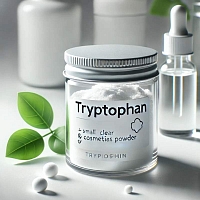
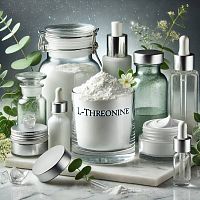
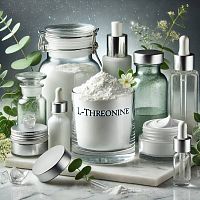
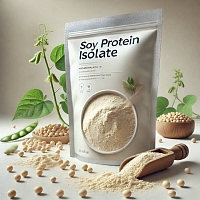
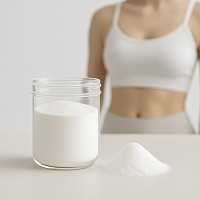
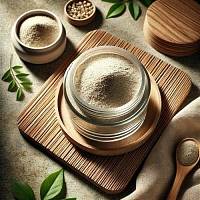
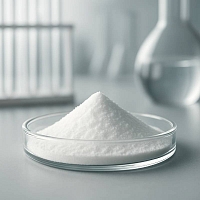
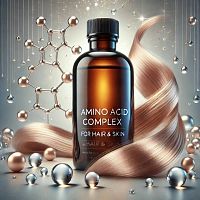
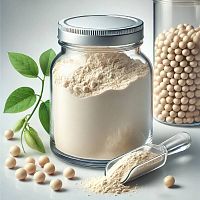
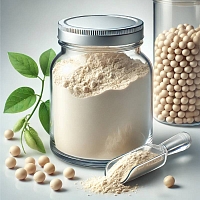
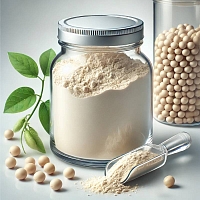



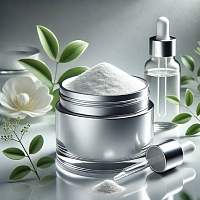
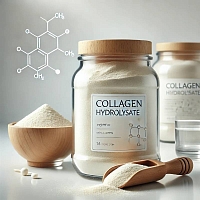
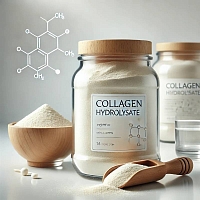


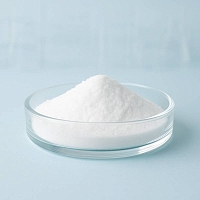
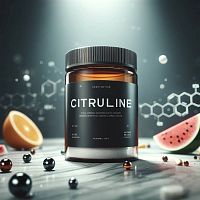
Аминокислоты: Незаменимые компоненты для косметики и не только на сайте Мыло Опт
Аминокислоты представляют собой важнейшие компоненты, которые находят широкое применение в различных отраслях, особенно в косметической промышленности. Они выступают основой для создания эффективных средств по уходу за кожей, волосами и ногтями, обеспечивая восстановление, защиту и омоложение. В интернет-магазине "Мыло Опт" представлен широкий ассортимент аминокислот, которые можно приобрести с доставкой по всему миру, что делает наш магазин идеальным выбором для профессионалов и любителей косметики.
Назначение и Применение Аминокислот
Аминокислоты являются строительными блоками белков, которые, в свою очередь, играют ключевую роль в поддержании здоровья кожи, волос и ногтей. В косметике они выполняют множество функций, начиная от увлажнения и заканчивая восстановлением клеток. Аминокислоты способствуют укреплению структуры кожи, улучшению ее тонуса и эластичности, а также защищают от негативного воздействия окружающей среды.
Косметическая Промышленность
В косметической промышленности аминокислоты используются в составе кремов, лосьонов, сывороток, шампуней и кондиционеров. Они обеспечивают глубокое увлажнение кожи, способствуют заживлению повреждений и предотвращают преждевременное старение. Одним из популярных продуктов является L-Аргинин, который улучшает кровообращение и стимулирует выработку коллагена, что делает кожу более упругой и гладкой. Подробнее о L-Аргинине.
Производство и Пищевая Промышленность
Кроме косметики, аминокислоты широко применяются в пищевой промышленности и в производстве спортивного питания. Они используются для создания белковых добавок, энергетических батончиков и напитков, которые помогают восстанавливать мышцы после физических нагрузок, а также улучшают общее самочувствие. Например, L-Глутамин является одной из самых востребованных аминокислот в спортивном питании, так как он способствует быстрому восстановлению мышц после тренировок. Узнать больше о L-Глутамине.
Аминокислоты также применяются в пищевой промышленности в качестве вкусовых добавок и усилителей вкуса. Они улучшают вкус и аромат продуктов, что делает их более привлекательными для потребителей.
Презентация и Выбор Аминокислот на Мыло Опт
При выборе аминокислот важно учитывать их назначение и область применения. На сайте "Мыло Опт" вы найдете аминокислоты, подходящие для различных нужд, будь то производство косметики, спортивного питания или пищевых продуктов. Мы предлагаем продукты высочайшего качества, которые соответствуют всем международным стандартам.
Одним из популярных продуктов является L-Цистеин, который используется в косметике для укрепления и восстановления волос. Он делает волосы более гладкими и блестящими, а также защищает их от повреждений. Подробнее о L-Цистеине.
В нашем каталоге вы найдете не только традиционные аминокислоты, но и их производные, которые обладают уникальными свойствами и широким спектром применения. Все продукты доступны для заказа с доставкой по всему миру, что делает наш интернет-магазин удобным и надежным партнером для вашего бизнеса.
Заключение
Аминокислоты от "Мыло Опт" — это универсальные и эффективные ингредиенты, которые найдут свое применение в различных отраслях. Независимо от того, занимаетесь ли вы производством косметики, спортивного питания или пищевых продуктов, в нашем интернет-магазине вы найдете все необходимое. Мы предлагаем только высококачественные продукты, которые можно заказать с доставкой по всему миру. Посетите наш сайт мыло-опт.com.ua и выберите аминокислоты, которые помогут вам достичь новых высот в вашем бизнесе.
Этот текст включает органичное размещение ссылок на три продукта с сайта "Мыло Опт", а также ссылку на основной сайт, обеспечивая максимальную полезность и соответствие требованиям поисковых систем.