-
 Absolutes
-
 Active Complexes
-
 Actives & Peptides
-
 Amino Acids & Proteins
-
 Food Flavors
-
 Ayurvedic Ingredients & Herbs
-
 Vitamins & Coenzymes
-
 Chocolate Making Supplies
-
 Thickeners & Gelling Agents
-
 Hydrosols & Floral Waters
-
 Hydrolyzed Proteins
-
 Fragrance Ingredients
-
 Nutraceutical Ingredients
-
 Acids, Salts, Alcohols & Alkalis
-
 Preservatives & Antioxidants
-
 Cosmetic Ingredients
-
 Colorants, Micas & Glitters
-
 Masks, Scrubs & Botanicals
-
 Oils & Butters
-
 Candle Making Supplies
-
 Melt and Pour Soap Bases
-
 Cream, Lotion & Hair Care Bases
-
 Fragrance Oils & Industrial Aromatics
-
 Cleansing Agents & Surfactants
-
 Peeling Actives & Acids
-
 Cosmetic Powders
-
 Solvents & Humectants
-
 Silicones & Conditioning Agents
-
 Bottles, Jars & Vials
-
 Silicone & Plastic Molds, Tools
-
 Botanical Extracts
-
 Cosmetic Emollients
-
 Emulsifiers
-
 Essential Oils


Tish paper, tissue paper

 Add to cart

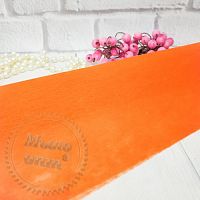





Lightweight wrapping material for retail and gift presentation
Tissue paper is a thin lightweight sheet used to wrap, cushion and decorate finished goods before they leave a workshop or store. It comes in a range of colors and finishes and is sold in flat sheets or reams, ready to line boxes, wrap individual items or fill empty space inside packaging.
Small producers and larger workshops use this paper across many kinds of finished goods, not only one category of product. It cushions jars and bottles during transport, adds volume and color inside gift bags, lines the inside of boxes before a candle or a bar of soap is placed there, and gives baskets and hampers a finished look. Because it is thin and flexible, it also works well as a soft interior layer for delicate or textured items that could otherwise shift during shipping.
Paired with rigid containers such as packages or natural containers like natural beech baskets, tissue paper completes the presentation without adding significant weight or cost to a shipment.
Colors, weights and finishes
Sheets differ mainly in color, finish and thickness. Solid shades such as purple tissue paper, orange tissue paper and blue tissue paper give a flat, uniform tone that works well as a neutral background inside a box or bag. Deeper shades like burgundy tissue paper and crimson tissue paper suit richer, more formal presentation, while green tissue paper reads as fresh and natural for seasonal ranges.
A metallized sheet such as silver tissue paper is coated on one side only, so it reflects light and adds a subtle shine when the shiny face is turned outward, while the plain reverse still folds and tears the same way as ordinary sheets. This makes it a useful accent layer rather than a full wrap, especially when combined with a plain colored sheet underneath for contrast.
Choosing a shade and pairing it with other materials
The right choice depends mostly on what sits underneath the paper and what impression the final package should give. A single bold color often works best as the visible top layer, while a neutral shade is better suited as a cushioning layer that will be mostly hidden. Thickness and tear resistance matter too, since a sheet that is folded tightly around a bottle or jar needs to hold its crease without splitting at the corners.
Tissue paper is commonly combined with other finishing materials rather than used on its own. A sheet can be gathered and held in place with a strip from the tapes section, which keeps the wrap tidy without hiding the color underneath. Matching the paper tone to the ribbon or ties used on the same package gives a coordinated look across a full product line, which matters for workshops preparing batches of similar items for sale.
Origin and practical storage
Sheets in this range are sourced from Poland and supplied as single flat sheets, which keeps stock simple to count and reorder for a workshop that goes through paper quickly. Because the material is thin, it should be kept flat or loosely rolled in a dry place away from direct sunlight, since prolonged light exposure can fade solid colors and dull the reflective coating on metallized sheets over time. Storing different colors in separate flat stacks also makes it easier to pull the right shade quickly when packing multiple orders in a row.
FAQ
What is tissue paper used for in packaging
It wraps and cushions items before shipping, lines the inside of boxes, adds volume inside gift bags and finishes the look of baskets and hampers. Its light weight and flexibility make it suitable for jars, bottles, candles, bars and other finished goods across many workshops.
What is the difference between colored and plain tissue paper
Solid colored sheets, such as purple, orange or blue, are chosen to match branding or seasonal packaging, while plain or neutral sheets suit a wider range of products and are easier to combine with printed labels or ribbons without clashing tones.
How many sheets are needed per order
The right quantity depends on order volume and item size, since larger jars or hampers use more sheets per unit than small bottles or bars. Buying in reams rather than single sheets is more practical for workshops packing multiple orders on a regular basis.
How should tissue paper be stored
Keep sheets flat or loosely rolled in a dry place away from direct sunlight, since prolonged light exposure can fade colored sheets over time. Avoid damp storage areas, as moisture can cause sheets to wrinkle or stick together before use.
Recommendations
When choosing tissue paper for a specific product line, match the sheet color and weight to the container it will wrap or line, and order enough reams to cover several packing sessions rather than a single batch. Consider pairing thicker sheets with heavier items and lighter sheets for delicate fillers. For quantities, color options or a custom order, reach out by email and our team will help confirm availability.



