-
 Absolutes
-
 Active Complexes
-
 Actives & Peptides
-
 Amino Acids & Proteins
-
 Food Flavors
-
 Ayurvedic Ingredients & Herbs
-
 Vitamins & Coenzymes
-
 Chocolate Making Supplies
-
 Thickeners & Gelling Agents
-
 Hydrosols & Floral Waters
-
 Hydrolyzed Proteins
-
 Fragrance Ingredients
-
 Nutraceutical Ingredients
-
 Acids, Salts, Alcohols & Alkalis
-
 Preservatives & Antioxidants
-
 Cosmetic Ingredients
-
 Colorants, Micas & Glitters
-
 Masks, Scrubs & Botanicals
-
 Oils & Butters
-
 Candle Making Supplies
-
 Melt and Pour Soap Bases
-
 Cream, Lotion & Hair Care Bases
-
 Fragrance Oils & Industrial Aromatics
-
 Cleansing Agents & Surfactants
-
 Peeling Actives & Acids
-
 Cosmetic Powders
-
 Solvents & Humectants
-
 Silicones & Conditioning Agents
-
 Bottles, Jars & Vials
-
 Silicone & Plastic Molds, Tools
-
 Botanical Extracts
-
 Cosmetic Emollients
-
 Emulsifiers
-
 Essential Oils
- Antioxidants 128
- Biocides 12
- Hydrosols (Hydrolates) 11
- Hydrocolloids for Cosmetics 10
- Others 70
- Fragrant Waters for Cosmetics 26
- Mineral Cosmetic Ingredient 196
- Functional Components 5157
- Corneotherapy 17
- Liposomes for Cosmetics 21
- Minerals 76
- pH Neutralizers/Correctors 20
- Resins and Resinoids 17
- UV and SPF Filters for Cosmetics 103
- Fruit Powders 15
- Chemical Raw Materials 156
- Enzymes, Filtrates, and Lysates 26
- Cargill France SAS – Oils and Actives 10
- BASF Cognis Care Chemicals 12
- Vitamins & Coenzymes Wholesale 160
- Bulk Waxes for Cosmetics 61
- Others Wholesale 89
- Acids, Salts, Alcohols & Alkalis Wholesale 139
- Cosmetic Ingredients Wholesale 2612
- Food grade raw materials wholesale 13
- Fruit Powders in Bulk 23
- Antioxidants bulk 1
- Acids and Alkalis Wholesale 17
- Preservatives Bulk 5
- Bulk Surfactants 3
- Emulsifiers Bulk 14
- Hydrosols Bulk 210
Hydrosols (Hydrolates)
 Add to cart


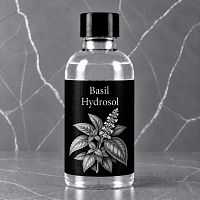
Role of hydrosols in cosmetic bases
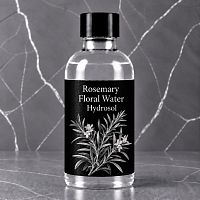
Hydrosols arise as the water fraction during steam distillation of plant material, capturing soluble compounds and a delicate scent from the source. The section offers a selection of botanical origins so formulators can align the character with the intended product. They replace part of the distilled water in emulsions, toners and sprays. When building a recipe from scratch it helps to review the full ingredient range at Cosmetic Ingredients to ensure early compatibility with other substances.
Each type carries distinct notes from its plant: floral ones stay soft, while citrus or spiced versions add brighter or warmer layers. This flexibility lets formulators tailor the final sensory profile without extra additives. For production volumes, it is easier to order from bulk hydrosols for cosmetics.
Differences among available hydrosols
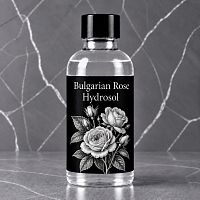
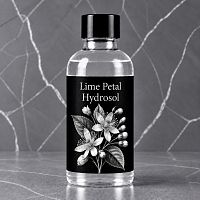
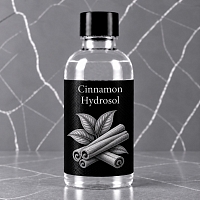
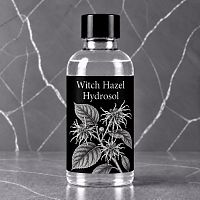
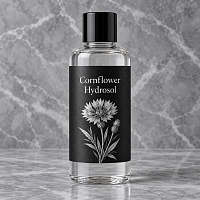
Bulgarian rose delivers a classic floral tone suited to delicate creams. Bulgarian lavender brings an herbal touch with broad compatibility. Witch hazel contributes a light astringent feel, and cornflower is valued for its gentle profile and pale hue. Cinnamon and lime petal options support unique scent directions in finished blends. The Functional Components section supplies actives that pair smoothly with these waters for more complex formulas.
Matching to product type
Toners and mists favor clean, light profiles, whereas creams benefit from softer, longer-lasting notes. The share in a formula depends on total water phase volume and interaction with oils or waxes. In face and hair products they provide a pleasant plant-derived scent without weighing down the texture.
Integration into formulas
Hydrosols enter lotions, mists and emulsions as the aqueous portion. They pair smoothly with oils and actives without altering production steps. Many formulators use them in masks and serums as a base that softens the impact of other ingredients. Checking interactions on a small test batch is recommended, especially when combining several botanical waters in one blend.
For sensitive skin formulas, milder options with lower volatile content are often preferred. Hydrosols also allow adjustment of the final product scent without synthetic fragrances, which is valuable when developing signature recipes.
Additional options and pairings
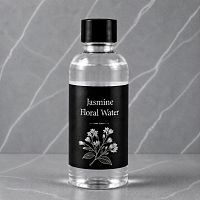
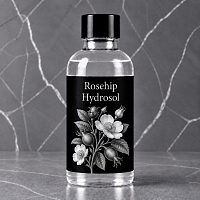
Among popular choices stands Jasmine Floral Water, 50 ml, offering a soft floral accent ideal for premium mists. Another noteworthy option is Rosehip Hydrosol, 100 ml, which brings a subtle note to daily creams and toners. These expand opportunities for experimenting with aromatic directions.
Storage recommendations
The material is sensitive to light and warmth, so it should stay in a cool, dark place inside a tightly closed container. After opening, use within a few months while avoiding contamination. Regular checks for off-odors help detect changes promptly.
FAQ
Can several hydrosols be combined in one formula?
Yes, mixing types creates a more layered scent and broader compound profile, though a small test batch is advised to confirm compatibility.
Does the choice of hydrosol affect finished product shelf life?
Any water phase requires a preservative, so stabilization rules stay the same regardless of the hydrosol selected.
Are hydrosols suitable for masks and serums?
They work well as the liquid base, softening the impact of actives while adding a light botanical aroma.
Must hydrosols be diluted before addition?
In most cases they are used neat, replacing a portion of water directly without further dilution.



