-
 Absolutes
-
 Active Complexes
-
 Actives & Peptides
-
 Amino Acids & Proteins
-
 Food Flavors
-
 Ayurvedic Ingredients & Herbs
-
 Vitamins & Coenzymes
-
 Chocolate Making Supplies
-
 Thickeners & Gelling Agents
-
 Hydrosols & Floral Waters
-
 Hydrolyzed Proteins
-
 Fragrance Ingredients
-
 Nutraceutical Ingredients
-
 Acids, Salts, Alcohols & Alkalis
-
 Preservatives & Antioxidants
-
 Cosmetic Ingredients
-
 Colorants, Micas & Glitters
-
 Masks, Scrubs & Botanicals
-
 Oils & Butters
-
 Candle Making Supplies
-
 Melt and Pour Soap Bases
-
 Cream, Lotion & Hair Care Bases
-
 Fragrance Oils & Industrial Aromatics
-
 Cleansing Agents & Surfactants
-
 Peeling Actives & Acids
-
 Cosmetic Powders
-
 Solvents & Humectants
-
 Silicones & Conditioning Agents
-
 Bottles, Jars & Vials
-
 Silicone & Plastic Molds, Tools
-
 Botanical Extracts
-
 Cosmetic Emollients
-
 Emulsifiers
-
 Essential Oils
- Gel Food Coloring Wholesale 39
- Cosmetic Pigments Wholesale 17
- Lipstick Pigments Wholesale 40
- Chocolate Colorants Wholesale 10
- Liquid Migrating Dyes Wholesale 24
- Oil Soluble Liquid Dyes Wholesale 17
- Liquid Ultra Pigments Wholesale 11
- Food Coloring Powders Wholesale 20
- Phosphors and Luminescent Powders Wholesale 21
- Natural colorants Wholesale 39
- Liquid Pearl Pigmen Wholesale 13
- Pearlescent Pigments Wholesale 222
- Liquid Pigments Wholesale 37
- Wholesale synthetic dyes 9
- Blended colorants Wholesale 33
- Oil Soluble Dye Powders Wholesale 11
- Pigment Powders Wholesale 16
- Fluorescent Neon Pigments Wholesale 55


Oil Soluble Liquid Dyes Wholesale
 Add to cart



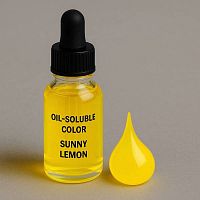
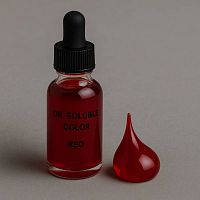
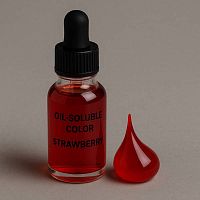

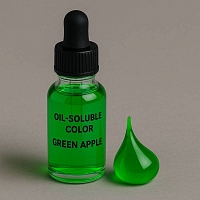
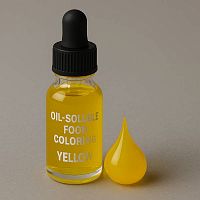

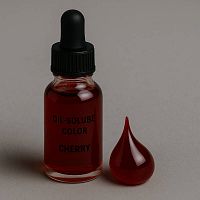
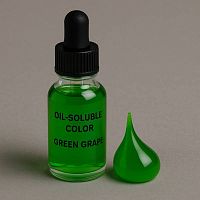
Color solutions for oil phases and anhydrous bases
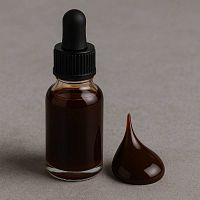
Oil soluble liquid dyes are concentrated colorants formulated to disperse fully in fatty and oily bases without separating or leaving grainy residue. They come ready to blend, so formulators can add small amounts directly into a warm oil phase and reach the desired shade without pre-dissolving powders or dealing with clumping. This makes them a practical choice for anyone building color into fat-based cosmetic products at any production scale.
These dyes are used across a wide range of anhydrous and oil-rich formulations, from lip balms and tinted lip oils to solid perfumes, body oils, massage bars, and cuticle treatments. Because they are already liquid, they mix evenly into melted butters and waxes during production, which helps avoid streaking in poured or molded products. Some formulators also use them to tint carrier oils or serums where a light, translucent color effect is needed rather than an opaque one.
For projects that call for movement or a marbled look in oil-based pours, it can help to compare these with liquid migrating dyes, which behave differently once poured. If a fully opaque, non-transparent finish is the goal instead, liquid non-migrating pigments are worth reviewing as an alternative base for the same formulas.
Shade Range and Formulation Differences
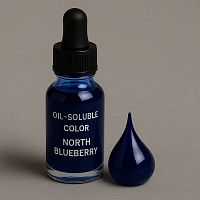
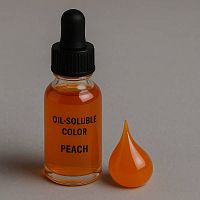
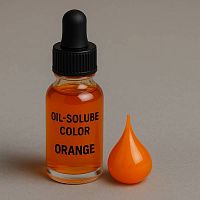
The core distinction within this range comes down to hue rather than chemistry, since every shade is built on the same oil-dispersible carrier system. The Blue Oil Soluble Liquid Colorant and Green Oil Soluble Liquid Colorant work well for cooling tones in bath oils or aesthetic accents in poured bars, while the Red Oil Soluble Liquid Colorant and Yellow Oil Soluble Liquid Colorant sit at the warmer end of the spectrum. The Purple Oil Soluble Liquid Colorant often serves as a base for deeper, muted tones when blended with small amounts of red or blue. Fruit-toned options such as the Ripe Raspberry Oil Soluble Liquid Colorant and Strawberry Oil Soluble Liquid Colorant lean toward pink and berry shades that are popular in tinted balms and body oil blends.
Choosing a Shade and Building a Formula
Selection usually starts with the base itself: lighter oils and waxes let color develop with a small dosage, while darker butters may need a slightly higher concentration to show through clearly. Since these dyes are liquid, they blend easily with other oil-soluble ingredients already in a formula, including plant oils, waxes, and fragrance oils, without disrupting texture or requiring extra emulsifiers. Testing a shade at a low percentage first and building up gradually helps avoid over-tinting, especially in translucent products like solid perfumes or lightly colored serums. For anyone deciding between an even wash of color and a swirled or layered look, it is worth comparing this format with Pigment Powders Wholesale, since dry pigments behave differently in a melted base and may need dispersion aids first.
Origin and Storage
Products in this range come from suppliers based in India and the United Kingdom, reflecting the mix of established colorant manufacturers in both regions. Liquid dyes keep best in tightly sealed containers, away from direct light and heat, since prolonged sun exposure can gradually shift or fade certain shades over time. A cool, dry storage area helps maintain consistent color output between batches, which matters for production runs where shade matching needs to stay predictable.
FAQ
What is the difference between oil soluble liquid dyes and powder pigments
Liquid dyes dissolve fully into oils and waxes, leaving no grainy texture or specks, while powder pigments often need dispersion or grinding to avoid clumping. Liquid dyes are faster to incorporate and give a smoother, more even color result in melted bases.
How much oil soluble dye should be used in a formulation
Amounts vary by desired shade intensity and the base being tinted, so small test batches are recommended before scaling up. Adding the dye gradually into a warm oil phase and checking color development lets a formulator control depth without overshooting the target shade.
Can oil soluble liquid dyes be used in water based formulas
No, these dyes are designed for fatty and oily bases and will not disperse evenly in water phases. For water based systems, a water soluble or emulsion compatible colorant is a better match to avoid streaking or separation.
How should oil soluble liquid dyes be stored
Store bottles tightly closed in a cool area away from direct sunlight to prevent fading or shifts in shade over time. Keeping containers upright and sealed between uses also helps maintain consistent color performance batch after batch.
Recommendations
When choosing an oil soluble liquid dye, match the shade family to your finished product and run a small test pour first, since final color can shift depending on the base oil, wax content, and layer thickness. Check pigment concentration if you are formulating darker or more saturated finishes, as this affects how much product is needed per batch. For a specific shade range or batch quantity, reach out by email and our team can help match a color solution to your production needs.



