
-
 Absolutes
-
 Active Complexes
-
 Actives & Peptides
-
 Amino Acids & Proteins
-
 Food Flavors
-
 Ayurvedic Ingredients & Herbs
-
 Vitamins & Coenzymes
-
 Chocolate Making Supplies
-
 Thickeners & Gelling Agents
-
 Hydrosols & Floral Waters
-
 Hydrolyzed Proteins
-
 Fragrance Ingredients
-
 Nutraceutical Ingredients
-
 Acids, Salts, Alcohols & Alkalis
-
 Preservatives & Antioxidants
-
 Cosmetic Ingredients
-
 Colorants, Micas & Glitters
-
 Masks, Scrubs & Botanicals
-
 Oils & Butters
-
 Candle Making Supplies
-
 Melt and Pour Soap Bases
-
 Cream, Lotion & Hair Care Bases
-
 Fragrance Oils & Industrial Aromatics
-
 Cleansing Agents & Surfactants
-
 Peeling Actives & Acids
-
 Cosmetic Powders
-
 Solvents & Humectants
-
 Silicones & Conditioning Agents
-
 Bottles, Jars & Vials
-
 Silicone & Plastic Molds, Tools
-
 Botanical Extracts
-
 Cosmetic Emollients
-
 Emulsifiers
-
 Essential Oils
Herbal Oil Extracts and Infusions
 Add to cart
Read more
 Add to cart
Read more
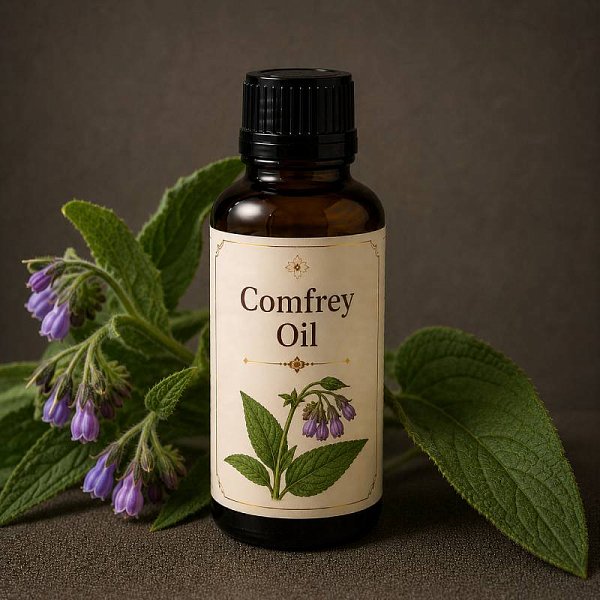
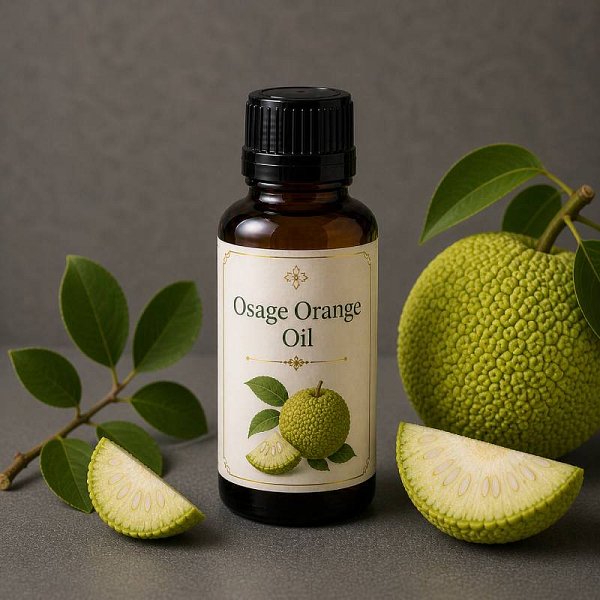
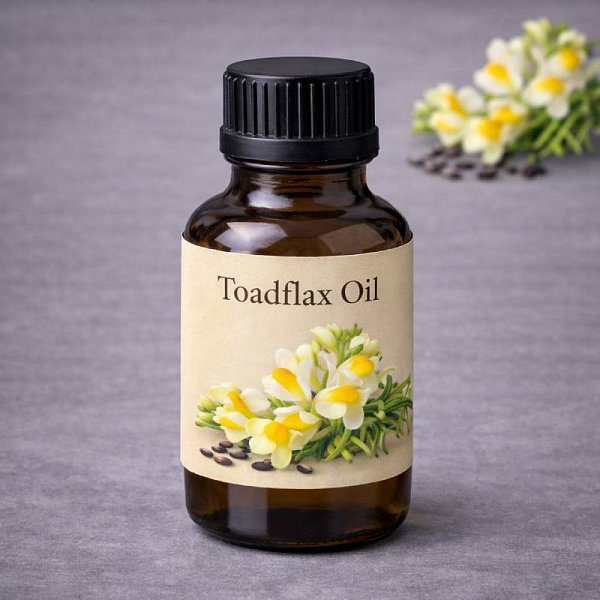
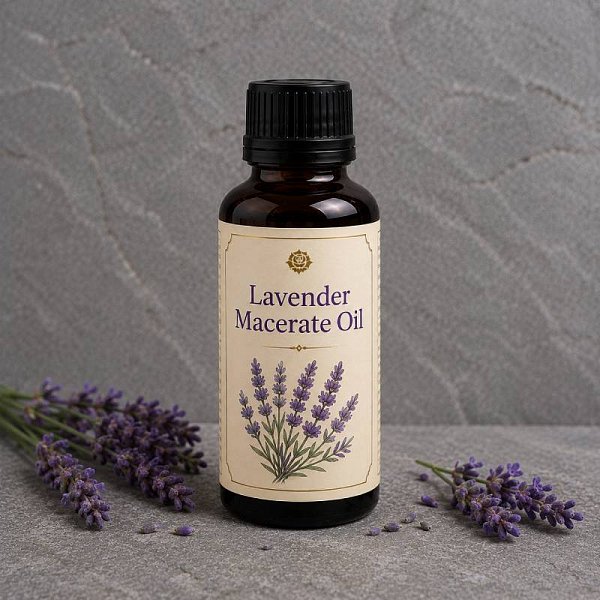
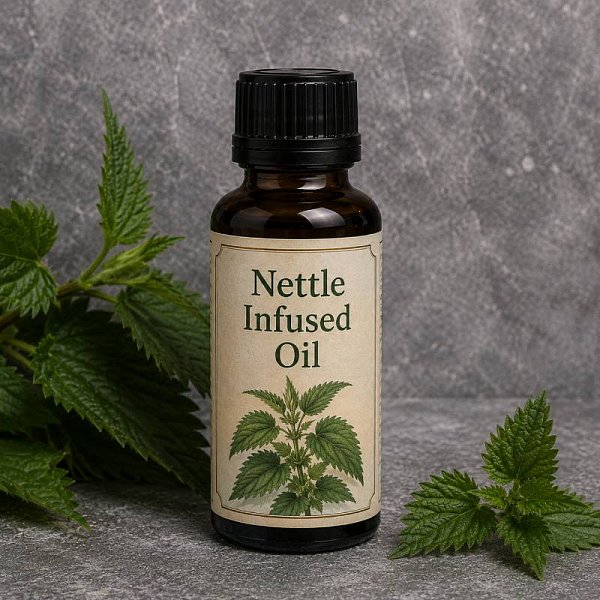
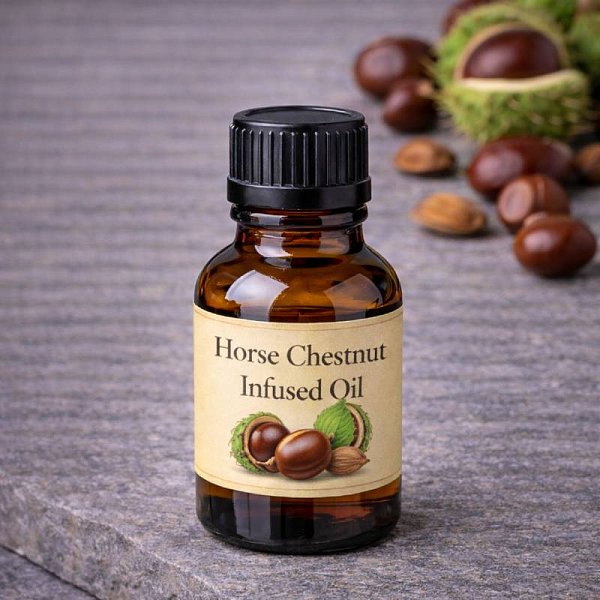
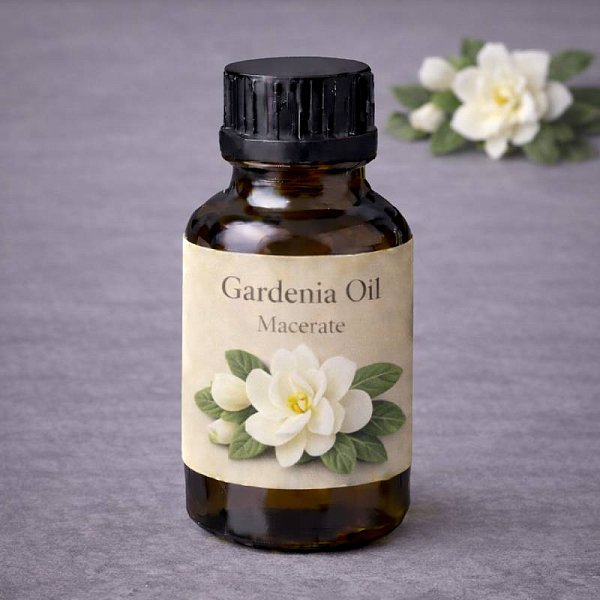
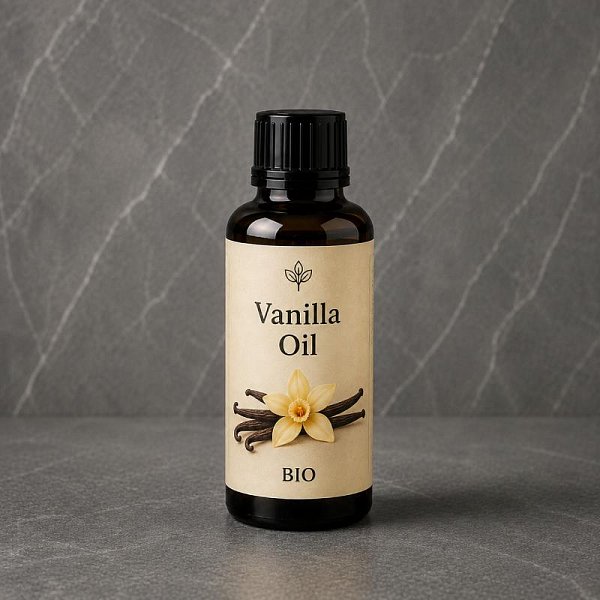
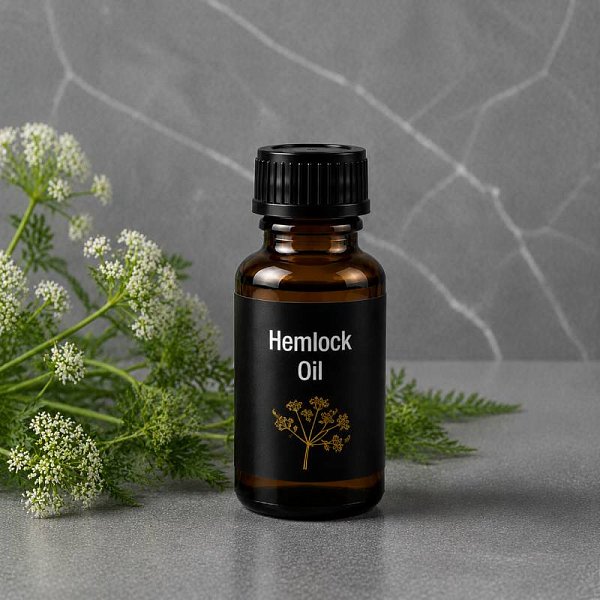
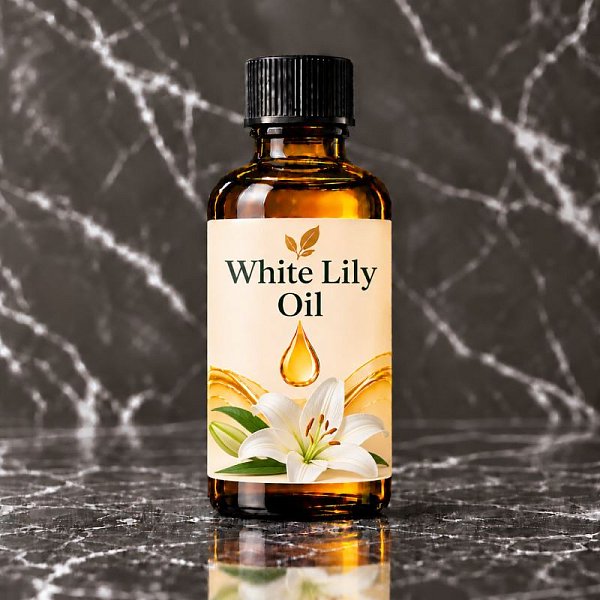
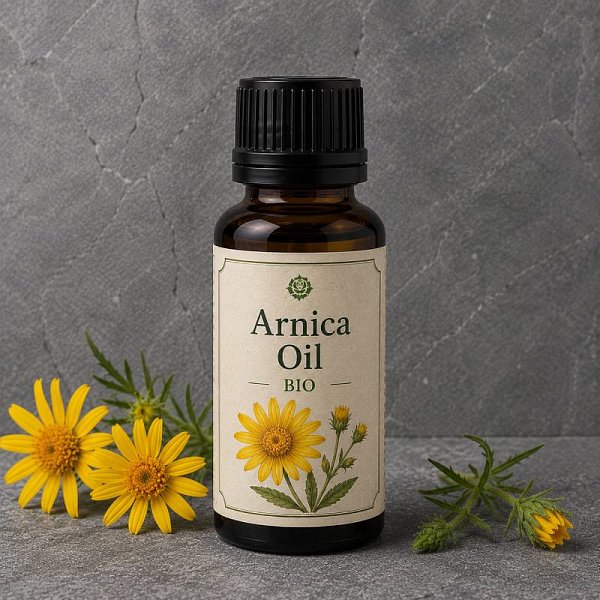
Botanical infused oils for skin and hair formulations
Herbal oil extracts, also called macerates or infused oils, are carrier oils steeped with dried herbs, flowers, or roots so the oil absorbs their lipophilic compounds. This section covers infusions made from calendula, chamomile, nettle, St. John's wort, and other botanicals, sold as ready liquid extracts for direct use in formulation. Each infusion carries a distinct color, scent, and profile of plant constituents drawn out during maceration.
These oils are used as functional additives in creams, balms, body oils, massage blends, and hair serums, where they contribute skin conditioning properties and a natural botanical character to the finished formula. Formulators also blend them into cuticle treatments, anti-aging serums, and soothing after-sun products, often layering an infusion with a lighter carrier from Liquid Basic Oils to adjust texture and absorption rate. For production volumes, it is easier to order from wholesale herbal oil extracts and infusions. Related raw materials are collected in the oil extracts section.
Because infused oils bring both an active fraction and a base oil in one ingredient, they simplify small-batch recipes and let manufacturers reduce the number of separate components in a formulation. For richer, more occlusive textures, some producers pair an infusion with a solid fat from the Butters range.
Varieties within the range and how they differ
Calendula infusion tends toward a warm gold color and a soft, herbaceous scent, favored in formulas aimed at soothing and conditioning irritated or dry skin. Chamomile infusion sits lighter in tone and is often chosen for delicate facial oils and treatments meant for sensitive skin types.
Nettle and St. John's wort infusions carry deeper green or reddish tints and a stronger herbal profile, which formulators associate with scalp and hair care blends as well as body oils where a more pronounced botanical character is desired. The carrier oil used for maceration also shifts the final texture, so two infusions of the same herb can behave differently depending on whether a light or heavier base was used to extract the plant material.
Choosing an infusion and pairing it in a formula
Selection usually starts with the carrier itself: lighter, fast-absorbing bases suit facial serums and daily moisturizers, while heavier infusions work better in balms, massage oils, and richer night products. Checking which base oil was used for the maceration helps predict how the finished infusion will feel on skin and how well it spreads.
Because each infusion already combines a functional plant fraction with a carrier, it pairs naturally with other liquids from Oils, batters, macerates, oil mixtures wholesale to fine-tune viscosity and absorption. Formulators building water-based products sometimes look at Water Soluble Oils when an aqueous phase needs a similar botanical touch without the oiliness of a classic macerate.
For manufacturers who prefer a pre-balanced starting point rather than combining single oils themselves, ready Blended Base Oils or curated Natural Oil Complexes can serve as a base that an infusion is then layered into. Massage-focused formulations often draw directly from the dedicated Massage Oils selection, blending in an infusion for its conditioning fraction and scent.
Origin, shelf handling, and related lines
Specific country-of-origin data is not listed for this range, so sourcing details are best confirmed per batch through the supplier's product information. Like other plant-based oils, infusions are sensitive to heat, light, and prolonged air exposure, so keeping containers tightly closed and stored in a cool, dark place helps preserve both color and the active fraction extracted during maceration.
Buyers researching how maceration compares to other extraction methods can review the broader Natural Macerates listing, while those exploring oils modified through microbial processing may find Fermented oils relevant as a complementary functional ingredient. For a full view of everything in this category, the parent Oils, Batters, Macerates, Oil Blends section brings all related subgroups together in one place.
Impact of carrier oil grade on infusion properties
Infusions are prepared on both refined and unrefined carrier oils. Unrefined bases retain natural scent and color yet oxidize faster, shortening shelf life. Refined carriers produce a lighter hue and milder odor while improving oxidative stability. The fatty acid profile of the base, particularly oleic and linoleic content, governs rancidity resistance and skin feel.
Comedogenic ratings of the carrier serve as a practical guide for facial use.
Recommendations
Choose an infused oil based on the finished texture and skin feel your formulation needs, a lighter carrier base suits facial serums while a richer one works better in balms and body oils. Check the plant material used and intended shelf life before committing to a larger batch, and request a small sample first if you are testing a new supplier line. Reach out by email to discuss volumes and available infusions for your production plan.
Producers create a macerated oil by allowing plant material to remain in contact with a lipid carrier over an extended period. The resulting oil extract or infused oil contains compounds transferred from the botanicals. Details about the exact process and composition appear in the specification and COA of each product. Formulators rely on macerated oils and herbal infused oils to incorporate plant-derived elements into their cosmetic mixtures while maintaining the base properties of the carrier. The choice of starting materials influences how the oil extract behaves in final blends.
FAQ
What is the difference between an infused oil and an essential oil?
An infused oil is a carrier oil that has absorbed lipophilic plant compounds through maceration, so it retains a fatty base and mild botanical character. An essential oil is a concentrated aromatic distillate with no carrier fraction, requiring dilution before use in any skin formulation.
How should herbal infused oils be stored?
Keep infused oils in tightly sealed, opaque or dark glass containers away from direct light and heat sources. Cool, stable storage conditions slow oxidation of both the carrier oil and the extracted plant constituents, helping preserve color, scent, and consistency across a production batch.
Can different infused oils be blended together in one formulation?
Yes, formulators regularly combine two or three infusions, such as calendula with chamomile, to layer conditioning properties and adjust the overall scent profile. Blending also lets manufacturers balance a heavier infusion with a lighter one for better spreadability in creams or body oils.
How does refined versus unrefined carrier oil affect an infusion?
Refined carriers yield lighter color, weaker scent, and greater resistance to oxidation. Unrefined bases transfer their own aroma and hue but oxidize more rapidly, so such infusions demand stricter storage control to maintain quality.
How is an oil extract typically incorporated into cosmetic bases?
An oil extract obtained from a macerated oil or infused oil is usually added during the oil phase of a formulation at levels determined by the desired sensory profile.



