-
 Absolutes
-
 Active Complexes
-
 Actives & Peptides
-
 Amino Acids & Proteins
-
 Food Flavors
-
 Ayurvedic Ingredients & Herbs
-
 Vitamins & Coenzymes
-
 Chocolate Making Supplies
-
 Thickeners & Gelling Agents
-
 Hydrosols & Floral Waters
-
 Hydrolyzed Proteins
-
 Fragrance Ingredients
-
 Nutraceutical Ingredients
-
 Acids, Salts, Alcohols & Alkalis
-
 Preservatives & Antioxidants
-
 Cosmetic Ingredients
-
 Colorants, Micas & Glitters
-
 Masks, Scrubs & Botanicals
-
 Oils & Butters
-
 Candle Making Supplies
-
 Melt and Pour Soap Bases
-
 Cream, Lotion & Hair Care Bases
-
 Fragrance Oils & Industrial Aromatics
-
 Cleansing Agents & Surfactants
-
 Peeling Actives & Acids
-
 Cosmetic Powders
-
 Solvents & Humectants
-
 Silicones & Conditioning Agents
-
 Bottles, Jars & Vials
-
 Silicone & Plastic Molds, Tools
-
 Botanical Extracts
-
 Cosmetic Emollients
-
 Emulsifiers
-
 Essential Oils
- Gel Food Coloring Wholesale 39
- Cosmetic Pigments Wholesale 17
- Lipstick Pigments Wholesale 40
- Chocolate Colorants Wholesale 10
- Liquid Migrating Dyes Wholesale 24
- Oil Soluble Liquid Dyes Wholesale 17
- Liquid Ultra Pigments Wholesale 11
- Food Coloring Powders Wholesale 20
- Phosphors and Luminescent Powders Wholesale 21
- Natural colorants Wholesale 39
- Liquid Pearl Pigmen Wholesale 13
- Pearlescent Pigments Wholesale 222
- Liquid Pigments Wholesale 37
- Wholesale synthetic dyes 9
- Blended colorants Wholesale 33
- Oil Soluble Dye Powders Wholesale 11
- Pigment Powders Wholesale 16
- Fluorescent Neon Pigments Wholesale 55


Pigment Powders Wholesale

 Add to cart
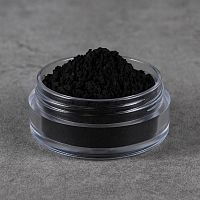

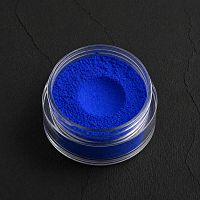
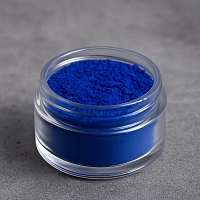


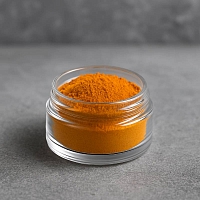


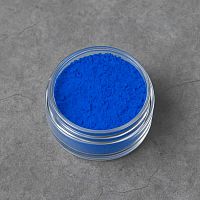


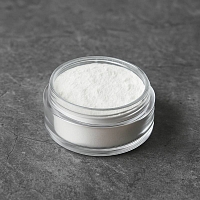
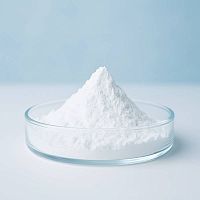
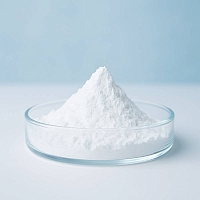
Dry Colorants for Custom Shade Matching
This section covers powder pigments supplied as fine, concentrated dry colorants for building custom shades across a wide range of cosmetic and decorative formulations. Formulators use these powders to tint creams, lotions, balms, bath products and other bases, adjusting concentration to reach anything from a pastel tone to a deep saturated color. Because they arrive as dry powder rather than a pre-mixed liquid, batches stay stable and shades remain predictable from one production run to the next.
Powder pigments work well wherever a stable, non-migrating color is needed within an oil, wax or emulsion base, since the particles disperse evenly without bleeding into surrounding layers. For formulators who also need color systems that move and blend visually within a base, the Liquid Migrating Dyes Wholesale range offers a contrasting effect, while the Liquid pigments wholesale section suits recipes already built around a liquid carrier.
Pigment Types and How They Differ
Within this category, the main split is between mineral-based whites and blacks and organic-style tone pigments. Titanium Dioxide 1 kg and its bulk counterpart, Titanium Dioxide 25 kg, serve as the primary whitening and opacifying agents, used both as a standalone shade and as a base for lightening any other powder to a lighter tint. At the other end of the spectrum, Black Pigment 1 kg anchors darker tones and is often blended with color pigments to mute or deepen a shade rather than used alone.
The chromatic pigments cover a full working palette: Blue Pigment 1 kg, Orange Cosmetic Pigment 1 kg, Red Cosmetic Pigment 1kg and Brown Cosmetic Pigment 1 kg differ mainly in undertone strength and how far each one can be diluted before losing saturation. Reds and oranges tend to carry the most tinting power per gram, so small test batches are the safest way to judge the final result before committing to a full production run.
Selecting a Shade and Building a Formula
Choosing between these powders comes down to the base you are coloring and the finish you want. Oil-heavy balms, wax blends and anhydrous bases generally hold powder pigments evenly if the particles are pre-dispersed in a small amount of oil before being added to the main batch, which prevents clumping and streaking. Water-based emulsions require more care, since untreated powders can separate or float, so many formulators pre-wet the pigment or choose grades meant for aqueous systems.
These dry colorants are frequently combined with other color-delivery formats to reach an effect that powder alone cannot achieve. Where a formula also needs shifting or blending color within the base rather than a flat, stable tone, the Oil soluble liquid dyes wholesale range provides that contrast and can be layered with a powder pigment for depth. Because the same white, black or chromatic powder can end up in a lotion, a balm, a bath product or a decorative cosmetic layer, it is worth testing each shade in the specific base it will ship in, since undertone and opacity can read differently across formulation types.
Origin, Packaging and Storage
The pigments in this range are sourced from China, with each shade supplied in standard 1 kg packaging and titanium dioxide additionally available from 25 kg for larger production volumes. Kept sealed, dry and away from direct sunlight and moisture, powder pigments hold their tinting strength and color consistency across long storage periods, which matters for formulators who order in bulk to cover several production cycles rather than a single batch.
FAQ
What is the difference between powder pigments and liquid pigments for cosmetic formulations?
Powder pigments are dry, concentrated colorants that disperse evenly through oil, wax or emulsion bases, giving stable and predictable shades. Liquid pigments arrive pre-mixed in a carrier, which simplifies dosing but can limit how the color behaves in certain formulas.
How much powder pigment should be added to a cream or lotion base?
Concentration depends on the desired depth of color and the base itself, since oils and emulsions absorb pigment differently. Most formulators start with a small percentage and build up gradually, testing in a small batch before scaling to full production.
Can dry colorants be mixed together to create custom shades?
Yes, powder pigments can be blended in different ratios to develop custom tones, which is one of their main advantages over pre-mixed liquid colorants. Testing small combinations first helps confirm the final shade before committing to a larger batch.
How should powder pigments be stored to keep their color stable?
Powder pigments should be kept in a dry, sealed container away from direct light and moisture, since humidity can cause clumping and light exposure may affect certain organic-style tones over time. Proper storage keeps shades consistent between production runs.
Recommendations
When choosing a powder pigment batch, match the particle type to your base: mineral pigments like titanium dioxide suit opaque, stable tinting, while organic-style tones work well for softer shades. Test a small sample in your actual formula before ordering a larger quantity, since undertone can shift depending on the carrier. For questions on a specific shade or batch size, reach out by email and we will help you find the right match for your production needs.



