Why manufacturers choose a stable red tone for bulk production
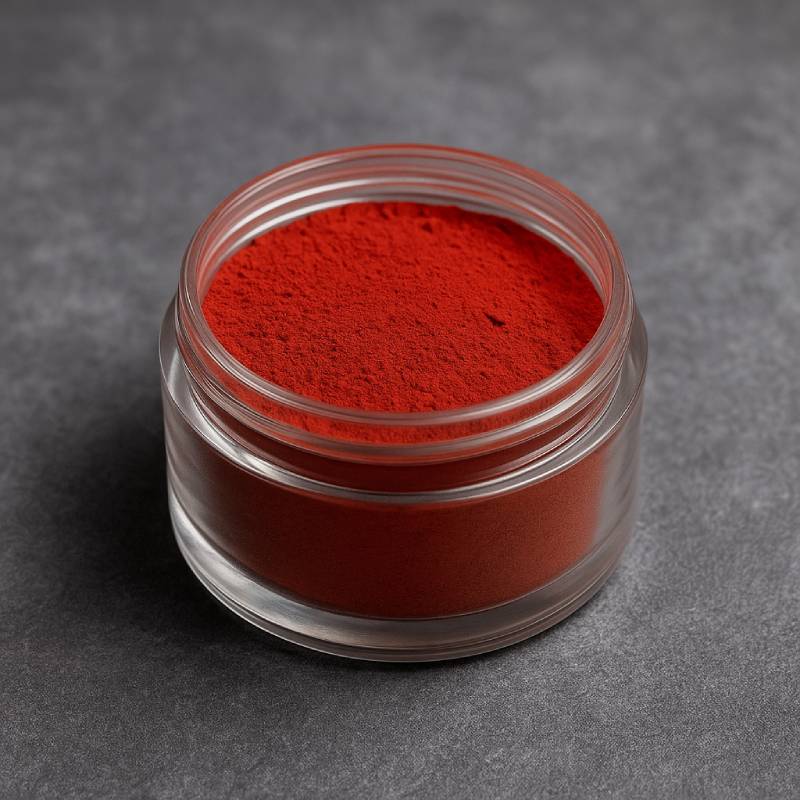
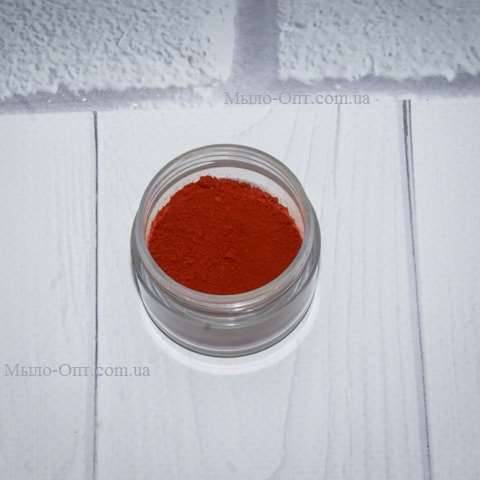
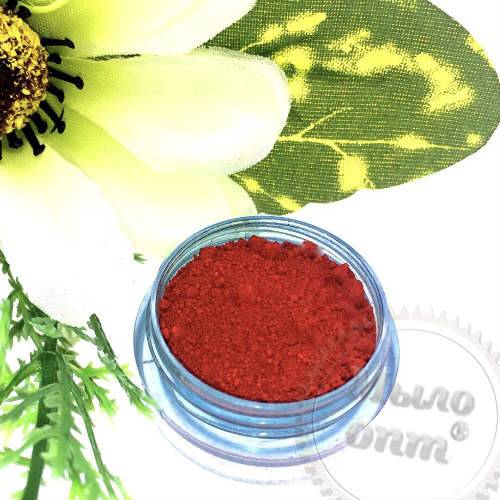
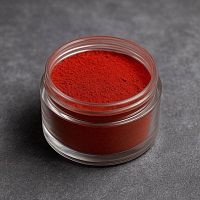
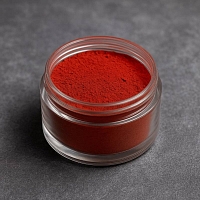
A 1 kg pack of red cosmetic pigment belongs to the Pigments section, which brings together dry colorants used for tinting a wide range of materials across many industries. A kilogram format signals that this is meant for workshops, small studios and factories running repeated batches, where consistent color from one production run to the next matters more than trying out a single small sample. See additional shades and formats in the Pigment Powders Wholesale section.
Globally, the largest volume of demand for inorganic red pigments of this type comes from the construction sector. They are mixed into concrete, paving stones, decorative plaster and self-leveling floor compounds to achieve an even, fade-resistant tone throughout the entire mass of the material. The pigment withstands the alkaline environment of cement and stays stable under sunlight, which is why it is widely used for outdoor tiles, facade elements and colored mortar. In plastics and rubber manufacturing it is introduced during the raw material blending stage for uniform distribution, while the paints and coatings industry uses it in enamels, primers and water-based dispersion paints for furniture, metal structures and industrial equipment.
Another steady application is candle making, where the pigment is stirred into melted wax at around 60-70 degrees Celsius until fully dispersed, avoiding streaks in the finished candle. In color cosmetics, the same type of pigment is used to tint pressed eyeshadows, blushes and lipsticks, where fine dispersion and compatibility with an oil-based carrier are essential. For lipstick formulations specifically, the range also includes the Bright Red Lipstick Pigment, 1 kg, which is adapted to oil-soluble cosmetic systems.
Recommended dosage depends on the desired depth of color and the base material: cosmetic formulas typically call for 0.5 to 3 percent of the total batch weight, while concrete and polymer mixes use 1 to 5 percent relative to the dry binder weight. The pigment should be added gradually in small portions, mixing thoroughly to avoid clumps, and it is good practice to run a small test batch first to confirm the exact concentration needed for a specific raw material.
This pigment blends well with other colorants to build layered shades. Adding a small amount of Wine Red Mica Powder for Cosmetics, 1 kg introduces subtle shimmer and depth to a formulation, while projects requiring a glowing accent often turn to Fluorescent red pigment LNT 13 1 kg, commonly used in decorative and signal-type products that need to stand out under daylight or UV light.
Store the pigment in its original tightly sealed container, away from direct sunlight and in a dry room with stable humidity, since moisture exposure can cause clumping and reduce color strength over time. Under proper storage conditions the pigment retains its performance for a long period, which is important for production lines working with kilogram-scale batches and planning purchases several months ahead.
Terracotta-tone decorative wax candles
Paraffin wax 3000 g
Stearin 500 g
Red cosmetic pigment 20 g
Fragrance oil 60 ml
Melt
the paraffin and stearin together in a water bath until fully liquid, then
remove from heat and sprinkle in the pigment gradually while stirring
continuously until the color is completely even with no dark specks. Once the
mixture cools slightly to around 65 degrees, blend in the fragrance oil, pour
into prepared molds and let the candles set undisturbed at room temperature for
several hours before removing them from the molds.
Frequently asked questions
At what temperature should the saturated red pigment be added to wax?
Introduce the pigment into the wax melt at 60-70 degrees and stir thoroughly until even color appears. It colors the mass without dissolving. The 1 kg pack fits workshops needing consistent batches over time.
How to test the red mineral pigment in concrete or plaster mixes?
Start with a small amount mixed into dry components and check the shade on a trial batch. Adjust gradually for the desired saturation. This size suits small production runs rather than single experiments.
What is the recommended storage for opened 1 kg red pigment?
Keep the powder in a tightly closed container in a dry cool place. Minor caking does not affect performance. The product remains usable until December 2041.
Can I request documentation for this cosmetic mineral pigment?
COA is available on request for each batch. It confirms the mineral quality and color properties. Useful for labs or studios working with polymers, paints or construction materials.