-
 Absolutes
-
 Active Complexes
-
 Actives & Peptides
-
 Amino Acids & Proteins
-
 Food Flavors
-
 Ayurvedic Ingredients & Herbs
-
 Vitamins & Coenzymes
-
 Chocolate Making Supplies
-
 Thickeners & Gelling Agents
-
 Hydrosols & Floral Waters
-
 Hydrolyzed Proteins
-
 Fragrance Ingredients
-
 Nutraceutical Ingredients
-
 Acids, Salts, Alcohols & Alkalis
-
 Preservatives & Antioxidants
-
 Cosmetic Ingredients
-
 Colorants, Micas & Glitters
-
 Masks, Scrubs & Botanicals
-
 Oils & Butters
-
 Candle Making Supplies
-
 Melt and Pour Soap Bases
-
 Cream, Lotion & Hair Care Bases
-
 Fragrance Oils & Industrial Aromatics
-
 Cleansing Agents & Surfactants
-
 Peeling Actives & Acids
-
 Cosmetic Powders
-
 Solvents & Humectants
-
 Silicones & Conditioning Agents
-
 Bottles, Jars & Vials
-
 Silicone & Plastic Molds, Tools
-
 Botanical Extracts
-
 Cosmetic Emollients
-
 Emulsifiers
-
 Essential Oils
- Absolutes 55
- Active Complexes 265
- Actives & Peptides 4860
- Amino Acids & Proteins 71
- Food Flavors 2097
- Ayurvedic Ingredients & Herbs 220
- Vitamins & Coenzymes 108
- Chocolate Making Supplies 109
- Thickeners & Gelling Agents 101
- Hydrosols & Floral Waters 139
- Hydrolyzed Proteins 87
- Fragrance Ingredients 44
- Nutraceutical Ingredients 797
- Acids, Salts, Alcohols & Alkalis 112
- Preservatives & Antioxidants 132
- Cosmetic Ingredients 8494
- Colorants, Micas & Glitters 1423
- Masks, Scrubs & Botanicals 1259
- Oils & Butters 1711
- Candle Making Supplies 542
- Melt and Pour Soap Bases 341
- Cream, Lotion & Hair Care Bases 89
- Fragrance Oils & Industrial Aromatics 6527
- Cleansing Agents & Surfactants 140
- Peeling Actives & Acids 57
- Cosmetic Powders 325
- Solvents & Humectants 37
- Silicones & Conditioning Agents 91
- Bottles, Jars & Vials 3927
- Silicone & Plastic Molds, Tools 6071
- Botanical Extracts 3614
- Cosmetic Emollients 108
- Emulsifiers 304
- Essential Oils 606


Fragrance Ingredients
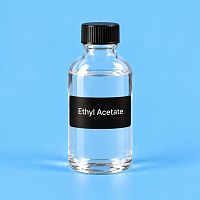
 Add to cart
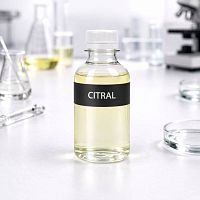
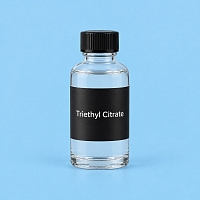
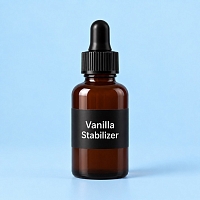


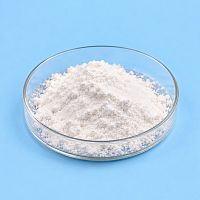
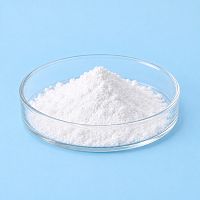
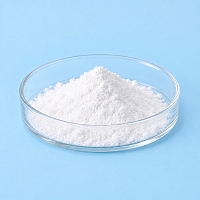
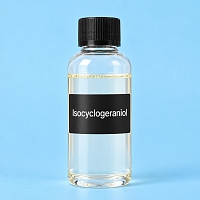


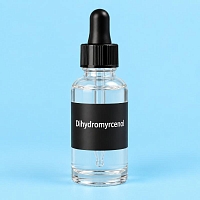
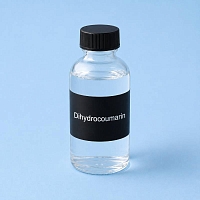

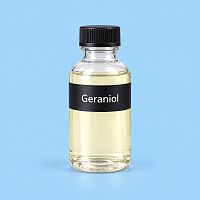
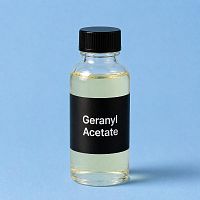
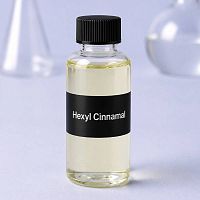
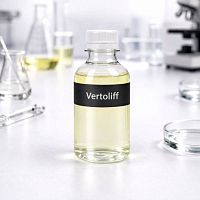

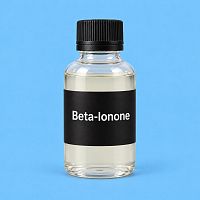
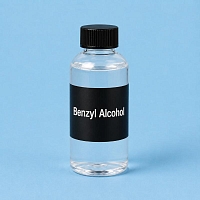
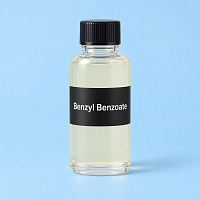
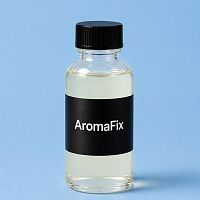
What a perfumer builds a composition from scratch
This section covers individual fragrance materials from which perfumers and formulators build their own compositions, unlike ready made fragrance oils. This is a more refined level of scent work, where each component contributes a specific note or function.
For example phenylethyl alcohol and hydroxycitronellal are classic floral fragrance materials.
Varieties and applications
Some materials serve a supporting rather than aromatic function: diethyl phthalate and Aromafix are used as fixatives that extend a scent's longevity on skin or in a formula.
Raspberry ketone gives a recognisable fruity note, while vanilla stabiliser helps preserve the character of a vanilla note during storage of a finished formula.
A separate group covers molecules such as Ambroxan, giving a musky woody trail, and citrus terpenes L-Limonene and D-Limonene, which also work as a natural solvent and antioxidant in a formula.
Selection and compatible ingredients
Working with individual fragrance materials takes more experience than using ready made fragrance oils, but gives full control over the final scent character. Materials in this section pair with fragrance oils from the Fragrance Oils section when a specific note needs adjusting, as well as with raw materials from the Cosmetic Raw Materials section for more complex multi component formulas.
Practical notes on working with molecules
When building a custom formula, introduce components gradually, starting with base notes and adding fixatives and modifiers step by step, rather than mixing everything at once. This step by step approach allows finer control over the balance between top, middle and base notes of the future composition.
L-Limonene and D-Limonene, despite the similar name, differ in molecular structure and scent character, so switching between isomers calls for retesting the final composition rather than relying on the previous dosage.
Storage
Materials are supplied from Germany, the USA, France, India, Spain, China, Ukraine and Switzerland among others. Store in tightly sealed bottles in a cool place away from direct light, as most fragrance materials are volatile and sensitive to oxidation from air.
Before a larger order, it helps to buy small trial packs of several materials and sketch a draft formula on paper, estimating the rough ratio of top, middle and base notes, before moving to actual mixing.
This approach helps avoid wasting costly components while a formula is still being refined.
FAQ
How does a fragrance material differ from a ready made fragrance oil?
A fragrance material is a single scent component used to build a custom composition, while a ready made fragrance oil is already a finished blend.
What is a fragrance fixative used for?
A fixative extends a scent's longevity on skin or in a formula by slowing the evaporation of lighter fragrance materials.
How do L-Limonene and D-Limonene differ?
These are different isomers of the same molecule with different molecular structure and scent character, switching between them calls for retesting the composition.
How should fragrance materials be stored?
In tightly sealed bottles in a cool place away from direct light, most fragrance materials are volatile and sensitive to evaporation and oxidation.
Recommendations
When building a custom composition, it helps to test combinations in small volumes before scaling up, introducing components gradually from base notes to fixatives. Mylo Opt has supplied fragrance materials for perfumery for over twelve years. Place your order by email with the items you need.



