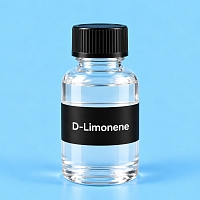
A citrus-derived terpene solvent behind cleaners and fragrance blends
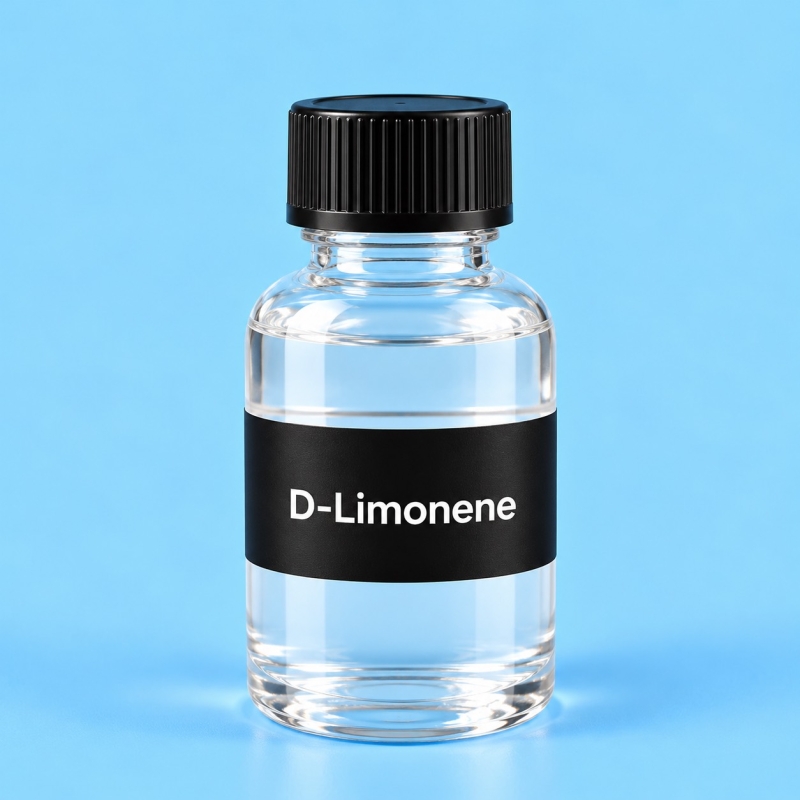
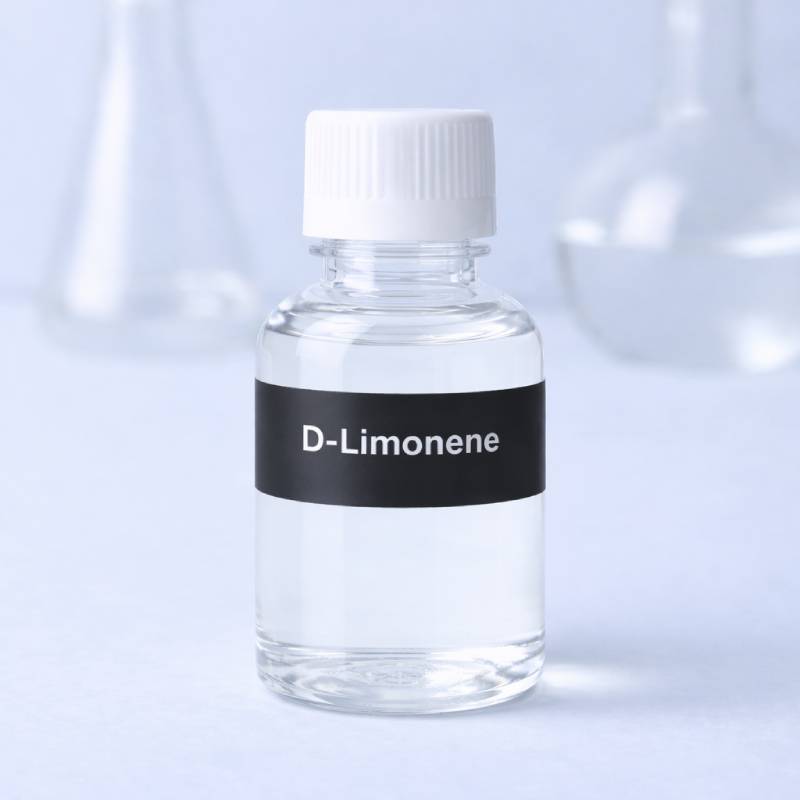
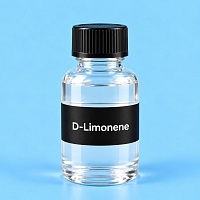
D-Limonene is a natural terpene compound extracted from citrus peel, mostly from oranges, and it has earned a solid place in household chemistry, industrial cleaning, fragrance work and food flavoring thanks to its strong solvent power. This is why the product belongs to the Solvents and humectants section, gathering ingredients that dissolve resins, oils and active substances or adjust the texture of a wide range of formulas.
The leading global use of D-Limonene is in eco-friendly degreasers and formulations for removing adhesive residue, tar stains, paint marks and resinous grime. It serves as a substitute for petroleum-based solvents such as mineral spirits or acetone in household chemistry and industrial equipment cleaning. When manufacturing cleaning gels and sprays, the compound is added during the active-phase mixing stage, and building a stable emulsion with water calls for a suitable emulsifying agent - the Emulsifier Hostaphat KL 340 D performs well here, stabilizing the oil-water system and preventing separation of the finished product.
The second major field is fragrance and flavor work. D-Limonene delivers a bright fresh citrus top note and is frequently used as a solvent for resins, balsams and dense aromatic blends, making them easier to dose and incorporate into a base. In perfume compositions the compound pairs nicely with oriental and floral accords, for example with D'Orientine S, where limonene softens the density of the accord and adds freshness to the opening phase. For test batches and small compositions, the compact D'Orientine S 5 ml pack allows precise proportion adjustments without wasting raw material.
In the food industry limonene is applied as a citrus flavoring agent in beverages, confectionery and chewing gum, though food-grade material and dosage regulations set by local authorities must always be respected. In cosmetic manufacturing the compound is sometimes used in small amounts as a solvent for essential oils and resinous extracts, or as a natural aromatic ingredient in body and hair care products, though this role remains secondary compared to its industrial and household applications.
Recommended dosage generally ranges from 1 to 10 percent depending on the purpose of the formula - mild fragrance blends need only minimal amounts, while dissolving and degreasing formulas require a higher percentage. The compound is introduced at the final stage of formulation at room temperature or a slightly warmed base, since volatile fractions are sensitive to overheating and may lose part of their aroma above forty degrees Celsius. Store the raw material in a tightly sealed dark glass container, in a cool place away from direct light, as terpenes tend to oxidize after prolonged air contact.
The 10 ml pack is well suited for home production of trial batches of household cleaners, fragrance blends and small cosmetic test series, letting formulators verify a recipe before ordering a larger volume of raw material.
Homemade citrus surface cleaner
D-Limonene 8 ml
Emulsifier Hostaphat KL 340 D 6 ml
Distilled water 100 ml
Ethyl alcohol 20 ml
Blend
the emulsifier with limonene until uniform, then gradually add the alcohol
while stirring continuously. Once the base turns clear, slowly pour in
room-temperature water while continuing to mix until the liquid becomes fully
homogeneous. Transfer the finished formula into a spray bottle and use it to
remove greasy and resinous residue from kitchen surfaces and household appliances.