-
 Absolutes
-
 Active Complexes
-
 Actives & Peptides
-
 Amino Acids & Proteins
-
 Food Flavors
-
 Ayurvedic Ingredients & Herbs
-
 Vitamins & Coenzymes
-
 Chocolate Making Supplies
-
 Thickeners & Gelling Agents
-
 Hydrosols & Floral Waters
-
 Hydrolyzed Proteins
-
 Fragrance Ingredients
-
 Nutraceutical Ingredients
-
 Acids, Salts, Alcohols & Alkalis
-
 Preservatives & Antioxidants
-
 Cosmetic Ingredients
-
 Colorants, Micas & Glitters
-
 Masks, Scrubs & Botanicals
-
 Oils & Butters
-
 Candle Making Supplies
-
 Melt and Pour Soap Bases
-
 Cream, Lotion & Hair Care Bases
-
 Fragrance Oils & Industrial Aromatics
-
 Cleansing Agents & Surfactants
-
 Peeling Actives & Acids
-
 Cosmetic Powders
-
 Solvents & Humectants
-
 Silicones & Conditioning Agents
-
 Bottles, Jars & Vials
-
 Silicone & Plastic Molds, Tools
-
 Botanical Extracts
-
 Cosmetic Emollients
-
 Emulsifiers
-
 Essential Oils
- Gel Food Coloring Wholesale 39
- Cosmetic Pigments Wholesale 17
- Lipstick Pigments Wholesale 40
- Chocolate Colorants Wholesale 10
- Liquid Migrating Dyes Wholesale 24
- Oil Soluble Liquid Dyes Wholesale 17
- Liquid Ultra Pigments Wholesale 11
- Food Coloring Powders Wholesale 20
- Phosphors and Luminescent Powders Wholesale 21
- Natural colorants Wholesale 39
- Liquid Pearl Pigmen Wholesale 13
- Pearlescent Pigments Wholesale 222
- Liquid Pigments Wholesale 37
- Wholesale synthetic dyes 9
- Blended colorants Wholesale 33
- Oil Soluble Dye Powders Wholesale 11
- Pigment Powders Wholesale 16
- Fluorescent Neon Pigments Wholesale 55


Cosmetic Pigments Wholesale
 Add to cart







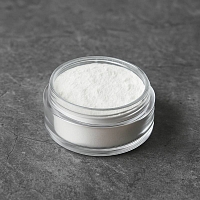
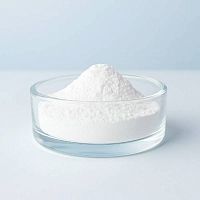
Powder colorants for creams soaps and decorative blends
This section brings together powder cosmetic pigments used to add stable, even color to a wide range of formulations. These are finely milled colorants designed to disperse into oils, butters, and emulsions without clumping, giving formulators control over shade intensity and consistency across batches.
Formulators use these pigments in creams, lotions, body butters, scrubs, bath products, and decorative cosmetic items where a solid, opaque color is needed rather than a transparent tint. Because the color sits on the surface of particles rather than dissolving, these pigments behave differently from liquid dyes and work well when a matte or saturated finish is the goal. For projects that call for color that blends smoothly into clear liquid bases instead, the liquid pigments wholesale range is worth comparing, while formulas that need color to move and blend across layers may call for the liquid migrating dyes wholesale instead.
Shade families and finish types
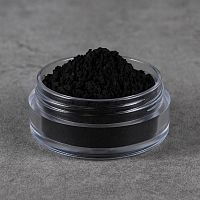
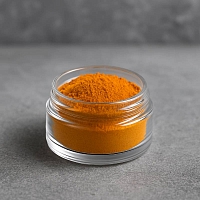
Within this range, colorants split into a few practical families. Solid tone pigments such as Pigment Cherry 1 kg or Pigment Phthalocyanine green, 1 kg deliver a flat, opaque color with no shimmer, useful when a formula needs a clean, uniform hue rather than any optical effect.
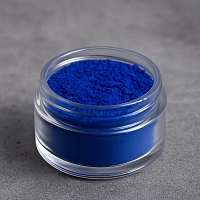
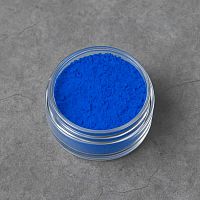
Deep, cool-toned options like Pigment Malachite, 1 kg sit at the other end of the spectrum, giving formulators a saturated base shade that reads strongly even at low dosage. Alongside these, pearlescent powders such as Metallic Powder Pigment Pearl 1 kg and Pearlescent pigment violet, 1 kg reflect light rather than simply absorbing it, adding a soft sheen to creams, balms, and decorative bases where a metallic or nacreous finish is wanted instead of a flat tone.
Choosing a pigment and pairing it in a formula
Selection generally comes down to three factors: the finish required (matte, pearlescent, or metallic), the base the pigment will be dispersed into, and the intensity needed per batch. Since these are powder pigments rather than dyes, they need even pre-dispersion, usually blended into an oil phase or a small portion of the base before full incorporation, to avoid streaking or clumping in the final product.
These pigments are commonly paired with emulsifiers, thickeners, and stabilizers already used in a cream or lotion base, since color is added without changing the rheology of the formula. Where a project needs a lighter, quantity-tested introduction, Metallic Mica Powder Pigment, 100 g or Cherry Pigment 100 g allow smaller test batches before committing to a full kilogram. For formulators working across several color families at once, the broader Pigment Powders Wholesale selection groups these shades together for easier comparison.
Origin and storage
The pigments in this section are sourced from China, a common origin for finely milled cosmetic-grade powder colorants supplied at scale. As with most powder pigments, they should be kept in sealed, dry containers away from direct moisture and sunlight, since humidity is the main factor that causes clumping and shade drift over time.
Buying in sealed original packaging and portioning out only what a batch requires helps keep the remaining stock consistent for future production runs, which matters for workshops running repeat formulas across multiple months.
FAQ
What is the difference between powder pigments and liquid pigments for cosmetics?
Powder pigments sit on the surface of particles and give an opaque, matte finish once dispersed into oils or emulsions. Liquid pigments dissolve or disperse into clear bases for translucent color, making them better suited to formulas where transparency matters more than solid coverage.
How do you disperse powder colorants evenly into a cream or lotion base?
Pigments disperse best when first wetted into a small amount of oil or glycerin to form a paste, then blended into the main batch. This prevents clumping and streaking, especially in thicker emulsions where dry powder can resist mixing into water-based phases.
Can powder pigments be combined with each other to create custom shades?
Yes, most powder pigments in this range can be blended together to build custom tones, as long as they share a similar particle structure and dispersion behavior. Testing a small batch first helps confirm the final shade holds up once mixed into the full formulation.
How should powder cosmetic pigments be stored to keep their color stable?
Keep containers sealed and away from direct sunlight and moisture, since humidity can cause clumping and light exposure can shift some shades over time. Stored this way, most powder pigments retain consistent color strength across multiple production batches.
Recommendations
When choosing a powder pigment, match the particle type to your base: opaque tones work well in butters and thicker emulsions, while finer grinds blend more smoothly into lighter lotions and scrubs. Always test a small batch first to confirm shade intensity and dispersion before committing to a full production run. For questions on a specific shade or bulk quantity, reach out by email and our team will help you find the right match for your formulation.



