How orange pigment powder supports consistent color batches in manufacturing
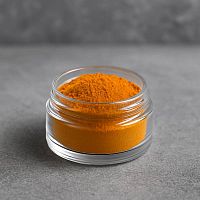
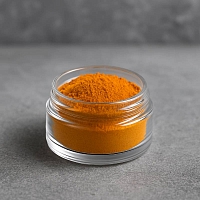
This orange pigment supplied in a 1 kg pack belongs to the Pigments category and is widely used across plastics processing, paints and coatings, construction materials, and household chemical goods, where a stable colorant resistant to fading under light exposure is required. A one kilogram pack suits workshops and small manufacturing lines running repeated production cycles, where predictable color matching between batches matters more than one-off experimentation. Explore more shades within the same category in Pigment Powders Wholesale.
Because pigment particles do not dissolve, the powder is typically pre-dispersed in a small amount of oil phase or carrier liquid before being blended into the main formulation, which helps prevent clumping and ensures an even color spread throughout the mass. In candle manufacturing, the pigment is introduced into melted paraffin or wax at around 60-80 degrees Celsius, while in cosmetic bases, the recommended introduction temperature is closer to 50-70 degrees. Dosage generally ranges from 0.1 to 2 percent of the total formulation weight, though a small test batch is always advisable since the final shade depends heavily on the base material's transparency and thickness.
Orange pigment blends readily with other colorants to produce warm composite tones, and for glow effects manufacturers often pair it with fluorescent additives such as Fluorescent pigment Red Orange, HX 14, 1 kg, which adds visible glow under ultraviolet light for signage and decorative items. Another common pairing is Fluorescent pigment Orange, HX 15, 1 kg, frequently chosen for promotional materials and high-visibility products where brightness under UV lighting is essential. For deeper saturation in transparent polymer castings, producers also combine the base pigment with Fluorescent pigment orange, 1 kg to achieve a richer, more layered final color.
In decorative cosmetics, this pigment finds use in eyeshadow, lipstick, and body art formulations, valued for its color stability and resistance to migration within the carrier base. The material remains stable when exposed to most common solvents, making it suitable for skin-contact products when used within recommended concentration ranges. Storage should always be in a tightly sealed container, kept in a dry area away from direct sunlight and moisture, since exposure to humidity causes clumping and uneven dispersion during subsequent use.
When handling the full 1 kg pack, it helps to portion a working amount into a separate small container for daily use, keeping the main package sealed as long as possible to protect the remaining powder. For larger production runs, keeping a written log of pigment-to-base ratios per batch allows manufacturers to reproduce identical shades across multiple production cycles without visible color drift between batches.
Orange tinted decorative wax melts
Soy wax 400 g
Coconut oil 30 g
Orange pigment 2 g
Sweet orange fragrance oil 12 ml
Silicone mold tray 1 pcs
Melt
the soy wax together with coconut oil in a heatproof container set over a water
bath, heating gently to around 65 degrees Celsius while stirring until fully
liquid. Sprinkle in the pigment gradually, stirring continuously until the
color becomes fully uniform without visible specks or streaks. Remove the
mixture from heat, let it cool slightly to about 55 degrees, then blend in the
fragrance oil thoroughly. Pour the warm mixture into the silicone mold tray and
allow it to set undisturbed at room temperature for at least four hours before
unmolding.
Frequently asked questions
How to incorporate 1 kg orange pigment into paraffin or wax melts?
Stir the powder into the melt at 60-80 °C until lumps disappear. The pigment colors the base without dissolving. Start with a small amount and adjust after testing a batch.
What bases accept this orange mineral pigment at 50-70 °C?
It works in heated cosmetic masses and wax compositions. Add gradually while mixing to reach the desired shade intensity. Test small batches first.
Who benefits from the 1 kg pack of orange pigment?
The 1 kg size suits small workshops running serial production of plastics, coatings or cosmetics where repeatable results per batch matter.
Is a COA available for this orange cosmetic pigment?
COA is supplied on request. The mineral pigment remains stable in closed packaging stored cool and dry until 12.2041.