-
 Absolutes
-
 Active Complexes
-
 Actives & Peptides
-
 Amino Acids & Proteins
-
 Food Flavors
-
 Ayurvedic Ingredients & Herbs
-
 Vitamins & Coenzymes
-
 Chocolate Making Supplies
-
 Thickeners & Gelling Agents
-
 Hydrosols & Floral Waters
-
 Hydrolyzed Proteins
-
 Fragrance Ingredients
-
 Nutraceutical Ingredients
-
 Acids, Salts, Alcohols & Alkalis
-
 Preservatives & Antioxidants
-
 Cosmetic Ingredients
-
 Colorants, Micas & Glitters
-
 Masks, Scrubs & Botanicals
-
 Oils & Butters
-
 Candle Making Supplies
-
 Melt and Pour Soap Bases
-
 Cream, Lotion & Hair Care Bases
-
 Fragrance Oils & Industrial Aromatics
-
 Cleansing Agents & Surfactants
-
 Peeling Actives & Acids
-
 Cosmetic Powders
-
 Solvents & Humectants
-
 Silicones & Conditioning Agents
-
 Bottles, Jars & Vials
-
 Silicone & Plastic Molds, Tools
-
 Botanical Extracts
-
 Cosmetic Emollients
-
 Emulsifiers
-
 Essential Oils


Liquid Oils
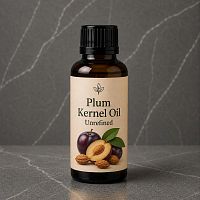
 Add to cart


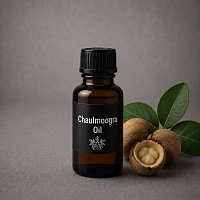
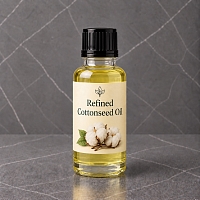


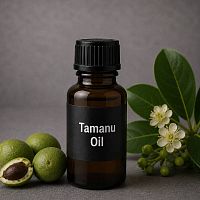


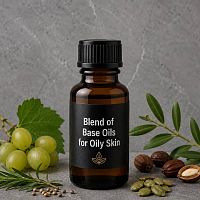
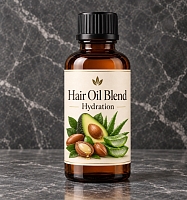
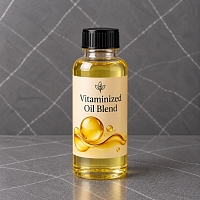
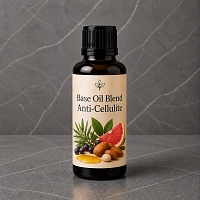

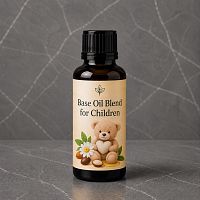


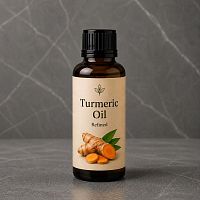


Carrier oils for creams, serums and emulsions
This section brings together liquid vegetable oils used as carriers and active components in cosmetic manufacturing. It covers oils such as jojoba, argan, sweet almond, grapeseed, apricot kernel, sunflower and many other cold pressed and refined variants, each with a distinct fatty acid profile, absorption rate and shelf stability.
Formulators use these oils as the base phase in creams and lotions, as carriers for active ingredients in serums and facial oils, and as conditioning agents in hair care and body care products. Some grades work well in massage oil blends, while others are chosen for their lighter texture in leave in formulas or their higher content of specific fatty acids for barrier support in emulsions. The right oil often depends on desired spreadability, oxidative stability and how it pairs with emulsifiers and actives already in a recipe.
Alongside liquid oils, manufacturers frequently combine them with solid butters for structure and richness, or source ready made blends when a project calls for a balanced multi oil base rather than a single ingredient. Both options sit close to this category for anyone building a fuller formulation.
Distinct oil profiles inside the range
Not every oil in this group behaves the same way on skin or in a formula. Cold pressed options like Watermelon Seed Oil 50 ml and Grape Seed Oil 50 ml tend to feel light and absorb quickly, which suits facial serums and daytime lotions. Denser oils such as Avocado Oil 50 ml or Castor Oil 50 ml leave a richer film and are often chosen for balms, night creams and thicker body formulas.
Some grades stand out for a specific fatty acid or nutrient rather than texture alone. Wheat Germ Oil 50 ml is valued for its natural tocopherol content and is frequently blended in small percentages to support the stability of a larger oil phase, while Amaranth Oil 10 ml and Chokeberry Oil 50 ml bring a distinctive fatty acid and antioxidant makeup that formulators reach for in targeted skin care blends. Kernel oils like Apricot Kernel Oil 50 ml, Almond Kernel Oil 50 ml and Peach Kernel Oil 50 ml sit in between, offering a mild texture that works across face, body and hair recipes.
Choosing an oil and building a blend
Selecting the right grade usually starts with the finished product in mind. A lightweight facial oil calls for fast absorbing options, while a rich hand cream or balm benefits from heavier oils that slow moisture loss. Oxidative stability matters too, since some oils oxidize faster once opened and need antioxidant support or tighter storage control in a production setting.
Compatibility with the rest of a recipe is just as important as the oil itself. Many formulators pair a carrier oil with emulsifiers, humectants and active complexes to build a stable emulsion, or blend two or three oils together to balance texture, spreadability and cost. Sesame Oil 100 ml is a common example of an oil used both on its own and as part of a wider blend. For water soluble delivery systems, the Water Soluble Oils subcategory offers an alternative when a formula needs an oil-like active without a purely lipid carrier.
Origin and storage notes
Oils in this range come from a mix of origins, including Germany, India, France, Italy, Ukraine, Morocco, Iran and Kenya, reflecting the different plant sources and pressing traditions each oil requires. Buyers sourcing for larger batches often compare grades from different origins to match a specific fatty acid profile or sensory quality.
FAQ
What is the difference between carrier oils and essential oils in cosmetic formulation
Carrier oils are the main liquid base used in larger amounts to carry actives and provide texture, while essential oils are concentrated aromatic extracts used in very small percentages. Carrier oils dilute and support essential oils and other actives within a finished cream, serum or body oil.
How do I choose the right carrier oil for a lightweight facial serum
Look for oils with a thinner texture and fast absorption, such as grapeseed or lighter almond grades, rather than heavier oils meant for richer body formulas. Checking the fatty acid profile helps predict how the oil will feel on skin and how well it blends with other serum ingredients.
Can different carrier oils be blended together in one formula
Yes, blending oils with different fatty acid profiles is common practice and allows formulators to balance absorption, spreadability and stability in one product. Combining a lighter oil with a richer one is often used to fine tune texture in creams, lotions and hair care blends.
How should carrier oils be stored to keep their quality
Cold pressed and refined oils should be kept in a cool, dark place away from direct light and heat, ideally in tightly closed containers to limit oxygen exposure. Proper storage slows oxidation and helps preserve the scent, color and performance of the oil in finished formulas.
Which carrier oils work best for hair care formulations
Lighter oils with good conditioning properties, such as grapeseed or sweet almond, are often chosen for leave in hair products, while richer options suit pre wash treatments or deep conditioning blends. The right choice depends on hair type and the texture the formulator wants to achieve.
Recommendations
When selecting a carrier oil for a specific formula, start with the texture and absorption rate you need, then check the fatty acid profile for compatibility with your emulsifiers and active ingredients. For larger production batches, request a small sample first to confirm scent, color and stability match your expectations before committing to a full order. Our team can help match an oil or blend to your recipe by email, and orders are typically assembled within three to five business days.



