Why Refined Cotton Oil Fits Both Small Batches and Larger Formulation Work
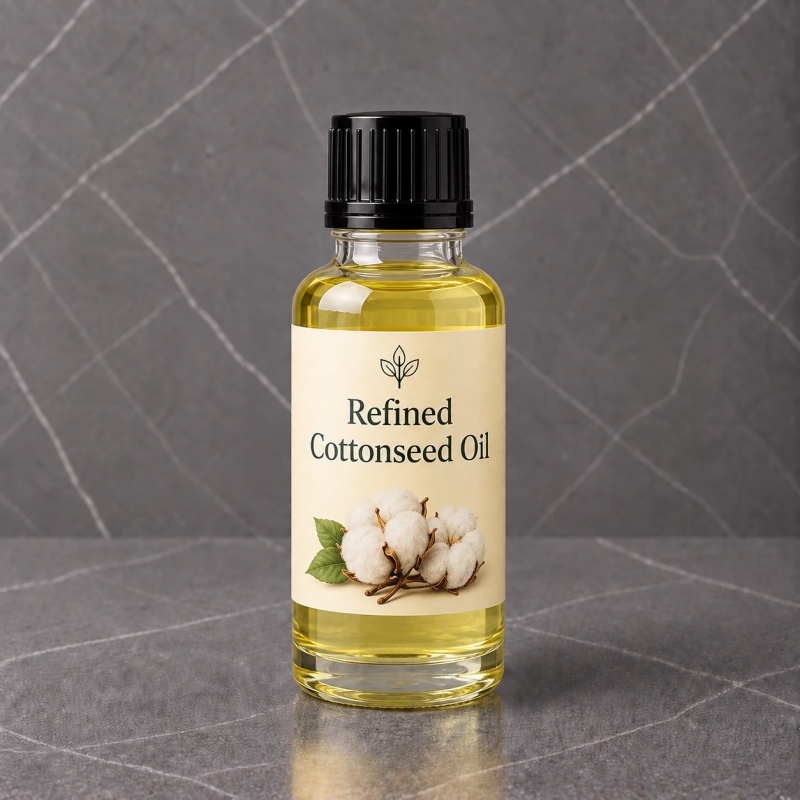
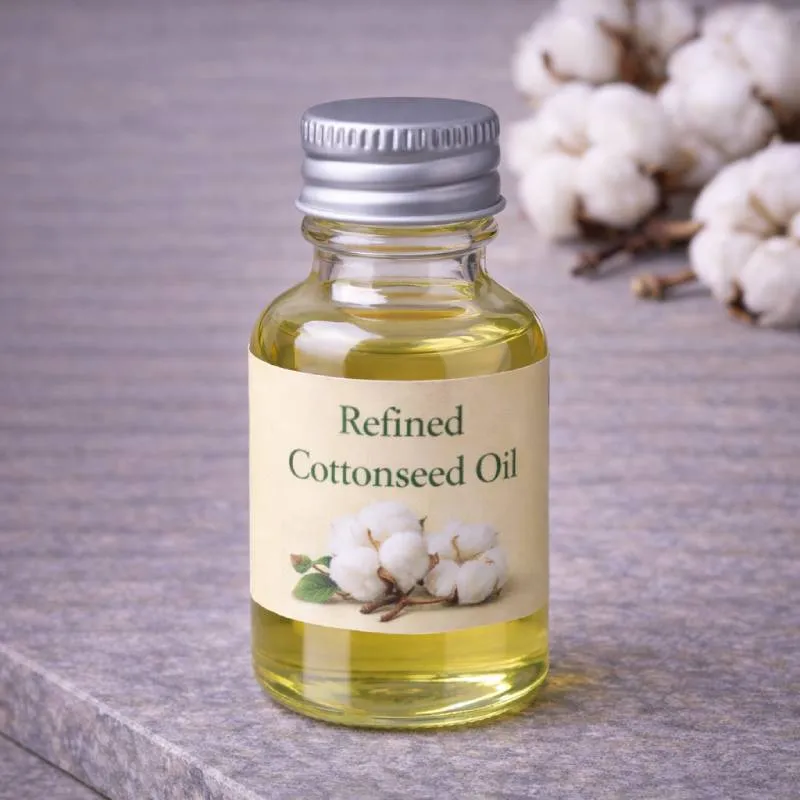
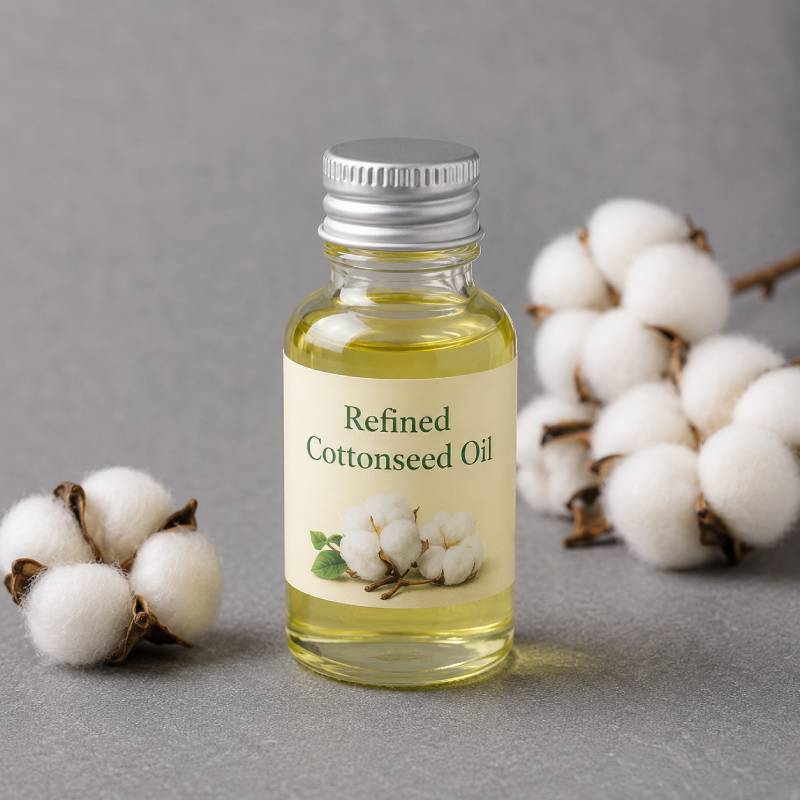
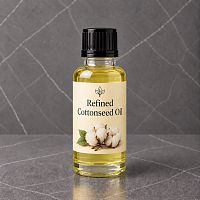
Cotton oil is pressed from cottonseed and, once refined, becomes a stable ingredient used across several industries. It appears in food production as a cooking oil, in cosmetic manufacturing as a base for creams and emulsions, and in pharmaceutical work as part of ointment bases. The 100 ml size is well suited to home-based cosmetic making and small trial batches, allowing formulators to test compatibility with other ingredients before scaling up.
This oil belongs to the Liquid Basic Oils category, which brings together lightweight plant oils that absorb easily without leaving a heavy film on the skin. Cotton oil carries a good share of linoleic acid and natural tocopherols, which explains its popularity in body and face moisturizers, massage blends, and gentle formulas for baby care products. In home recipes it often serves as a base for creams, lip balms, and massage oils, while on an industrial scale it becomes a component of lotion emulsions and a raw material for margarine and cooking fat production in the food sector.
In cosmetic formulations, cotton oil pairs well with other plant oils. Combining it with Burdock Oil, traditionally used to strengthen hair and support growth, gives a softer texture that spreads more easily through strands. For antioxidant-rich formulas, many recipes add Chokeberry Oil, valued for its natural pigments and active compounds. For lightweight, fast-absorbing blends, a small addition of Watermelon Seed Oil works well thanks to its non-comedogenic feel.
When producing creams and emulsions, cotton oil is introduced during the oil phase at around 60-70 degrees Celsius, alongside other fatty components, before combining with the water phase. Recommended dosage in cosmetic formulas ranges from 5 to 20 percent of total mass depending on the desired texture and product purpose. For massage blends and body oils, it can be used on its own or combined with essential oils. Store the oil in a tightly sealed container, in a cool dark place away from direct sunlight and heat sources, to keep the fatty acid profile stable throughout the shelf life.
Beyond cosmetics and food, cotton oil is also used in candle making as a component that adds flexibility to wax blends, and in household chemical formulations as a softening additive for hand care products. This versatility makes it a practical raw material for makers working across several product lines at once.
Nourishing Hand Balm for Dry Skin
Refined cotton oil 30 ml
Burdock oil 15 ml
Beeswax 10 g
Shea butter 15 g
Vitamin E 3 ml
Melt the beeswax and shea butter together in a water bath at around 60 degrees Celsius, then add the cotton and burdock oils, stirring thoroughly until smooth. Remove from heat, let the mixture cool to about 40 degrees, then blend in the vitamin E, pour into small jars, and leave at room temperature until fully set.
Listed under the INCI name Cotton Seed Oil.
FAQ
How does cottonseed oil combine with other oils or actives?
Compatibility depends on the specific formulation. Test small batches using the given input percentage of 1-100%.
What are the storage conditions after opening?
Keep in a dry cool place in a tightly closed container protected from light, as stated in the storage conditions.
What is the texture and absorption of this liquid oil?
It is an oily liquid with light texture that absorbs without leaving a heavy film, according to the category description.
What is the fatty acid profile and oxidative stability?
The profile is not detailed beyond containing linoleic acid and tocopherols. Request the full specification for exact values.