-
 Absolutes
-
 Active Complexes
-
 Actives & Peptides
-
 Amino Acids & Proteins
-
 Food Flavors
-
 Ayurvedic Ingredients & Herbs
-
 Vitamins & Coenzymes
-
 Chocolate Making Supplies
-
 Thickeners & Gelling Agents
-
 Hydrosols & Floral Waters
-
 Hydrolyzed Proteins
-
 Fragrance Ingredients
-
 Nutraceutical Ingredients
-
 Acids, Salts, Alcohols & Alkalis
-
 Preservatives & Antioxidants
-
 Cosmetic Ingredients
-
 Colorants, Micas & Glitters
-
 Masks, Scrubs & Botanicals
-
 Oils & Butters
-
 Candle Making Supplies
-
 Melt and Pour Soap Bases
-
 Cream, Lotion & Hair Care Bases
-
 Fragrance Oils & Industrial Aromatics
-
 Cleansing Agents & Surfactants
-
 Peeling Actives & Acids
-
 Cosmetic Powders
-
 Solvents & Humectants
-
 Silicones & Conditioning Agents
-
 Bottles, Jars & Vials
-
 Silicone & Plastic Molds, Tools
-
 Botanical Extracts
-
 Cosmetic Emollients
-
 Emulsifiers
-
 Essential Oils
- Forbury Direct Soap Base Wholesale 8
- Stephenson Soap Base Wholesale 31
- Soap Base from England Wholesale 46
- Soap Base Belarus Wholesale 25
- Soap Base Germany Wholesale 6
- Israeli Soap Bases Wholesale 11
- Italian Soap Base Wholesale 5
- Soap base bulk supply 10
- Soap Base Ukrainian Wholesale 20
- Soap Base France Wholesale 14
- Bases for Shampoo, Cream, and Balm Wholesale 63


Israeli Soap Bases Wholesale
 Add to cart


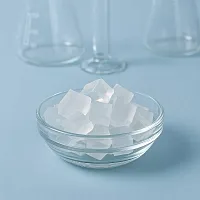


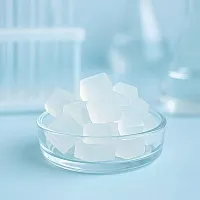
Dead Sea mineral formulas for melt and pour work
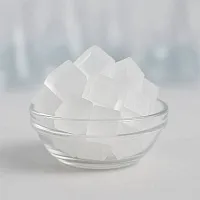
This section gathers glycerin soap bases produced in Israel, valued for their mineral content drawn from Dead Sea sources. Buyers here are workshops and small manufacturers who melt and pour these bases into finished bars, adding fragrance, color, and botanical inclusions during their own production process. The bases arrive as solid blocks ready for cutting and remelting, not as a finished retail product.
Formulators choose Israeli bases mainly for their mineral profile, which is often marketed around magnesium and salt content associated with Dead Sea cosmetics, alongside a smooth, dense texture that holds detailed mold shapes well. Some buyers pair a mineral-rich Israeli block with a clearer option such as soap base from England to build layered bars with contrasting textures and finishes. Others compare pricing and hardness against a budget-friendly soap base from Belarus before settling on a final blend for a production run.
Clarity and finish across the range
Within this group, opacity is the main dividing line. Fully opaque blocks such as Opaque White 10/3 / Y and White Opaque 60/40 give a dense, chalky surface that hides inclusions and layering seams, which suits bars where a clean uniform color matters more than a decorative interior. Softer opaque variants like White Opaque 40/7 and White Opaque 50/50 differ mainly in hardness and how quickly they set, which affects how long a mold needs to stay closed before unmolding.
On the transparent side, blocks such as Crystal Clear Max 5 and the smaller-format Crystal Clear Max 6 are chosen when a workshop wants inclusions, colored layers, or embedded objects to remain visible through the finished bar. A semi-transparent option like Crystal Clear 10/6/G sits between the two extremes, giving a soft frosted look that still lets some detail show through without full transparency.
Choosing a base and building a formula
Selection usually comes down to three practical factors: the finish you need (opaque, clear, or semi-transparent), the hardness required for your mold shapes, and how the mineral content behaves once fragrance oils, colorants, and botanical additives are blended in. A dense mineral-rich block can carry more inclusions before the surface loses definition, which matters for detailed or multi-layer mold designs.
Many workshops do not rely on a single block type for a full production run. A mineral-heavy Israeli base is often paired with a clearer option, or with a different regional block entirely, to build contrast between opaque and transparent layers in the same bar. Buyers comparing cost and working properties against other supply lines sometimes look at a soap base from Germany for its own set of handling characteristics before deciding which block goes into which part of the batch.
Origin, packaging, and storage
All bases in this section originate from Israel and arrive as solid 12 kg or 5 kg blocks meant for cutting, remelting at low heat, and pouring into molds rather than direct retail use. Because the mineral content and moisture balance can shift with prolonged exposure to air, blocks keep their working properties best when stored sealed, away from direct heat and sunlight, and used within a reasonable window after opening rather than left partially melted and re-cooled repeatedly.
FAQ
What makes dead sea soap base different from other melt and pour bases
Its mineral content, drawn from Dead Sea sources and typically associated with magnesium and salt, sets it apart from standard glycerin blocks. Formulators also value its smooth, dense texture, which holds fine mold detail well and gives finished bars a distinct feel compared to lighter, clearer bases.
Can dead sea soap base be combined with other soap bases in one bar
Yes, many workshops layer a mineral rich Israeli block with a clearer base to create contrast in texture and appearance within the same bar. Melting temperatures and consistency should be checked beforehand so the layers bond cleanly during the pour.
How should melt and pour soap base blocks be stored before use
Keep blocks wrapped and stored in a cool, dry place away from direct sunlight and humidity, which can affect texture and shelf life. Proper storage keeps the block firm and easy to cut cleanly when you are ready to remelt it.
Is dead sea soap base sold as a finished retail product
No, it arrives as solid blocks meant for melting and pouring in your own workshop, not as a finished bar ready for sale. Producers add fragrance, color, and botanical inclusions themselves during the melt and pour process.
Recommendations
When choosing a Dead Sea soap base batch, match opacity and hardness to your mold design and intended finish, since denser blocks hold sharper detail while clearer options suit layered effects. Order small trial quantities first to test melting behavior alongside your fragrance and color additions. Reach out by email with your project details and we will help you select the right block and quantity for your production run.