-
 Absolutes
-
 Active Complexes
-
 Actives & Peptides
-
 Amino Acids & Proteins
-
 Food Flavors
-
 Ayurvedic Ingredients & Herbs
-
 Vitamins & Coenzymes
-
 Chocolate Making Supplies
-
 Thickeners & Gelling Agents
-
 Hydrosols & Floral Waters
-
 Hydrolyzed Proteins
-
 Fragrance Ingredients
-
 Nutraceutical Ingredients
-
 Acids, Salts, Alcohols & Alkalis
-
 Preservatives & Antioxidants
-
 Cosmetic Ingredients
-
 Colorants, Micas & Glitters
-
 Masks, Scrubs & Botanicals
-
 Oils & Butters
-
 Candle Making Supplies
-
 Melt and Pour Soap Bases
-
 Cream, Lotion & Hair Care Bases
-
 Fragrance Oils & Industrial Aromatics
-
 Cleansing Agents & Surfactants
-
 Peeling Actives & Acids
-
 Cosmetic Powders
-
 Solvents & Humectants
-
 Silicones & Conditioning Agents
-
 Bottles, Jars & Vials
-
 Silicone & Plastic Molds, Tools
-
 Botanical Extracts
-
 Cosmetic Emollients
-
 Emulsifiers
-
 Essential Oils
Food flavorings Poland

 Add to cart


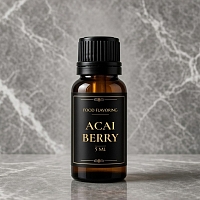
European taste concentrates for confectionery and drink formulas
This section brings together taste concentrates manufactured in Poland, supplied as compact liquid or paste formats for building flavor profiles in food and drink production. Buyers use these concentrates to shape sweet, fruity, dairy, nutty and spiced notes across a wide range of recipes rather than a single fixed product line.
Because these are concentrated raw materials, formulators dose them into batters, fillings, glazes, beverages, dairy bases and confectionery masses, adjusting strength to match batch size and processing temperature. The same concentrate can carry a top note in a cold drink one week and anchor a baked filling the next, which is why dosage flexibility matters more than a single labeled use case. For broader options beyond the Polish lineup, the catalog of flavorings and flavor additives covers additional origins and taste families, while bulk buyers comparing volume pricing often check food flavor concentrates wholesale for larger order formats.
Flavor families and how they differ
Within this lineup, taste concentrates split broadly into fruity, dairy and creamy, nutty, spiced and caramelized groups, each built on a different balance of top notes and base notes. Fruity concentrates tend to be sharper and more volatile, so they read clearly even in cold beverages or light glazes, while dairy and nutty profiles carry more weight and hold up better in baked fillings or thicker masses. Spiced and caramelized types usually sit in the background, rounding out a recipe rather than leading it.
The practical difference between them is less about the flavor name and more about how they behave under heat, in fat, or in water based systems. A concentrate that performs well in a cold drink might fade or shift character once it goes through baking, which is why matching the type to the processing step matters more than matching it to a single finished product.
Choosing a concentrate and building a recipe around it
Selection usually starts with the processing stage: cold mixing, baking, or a stage with prolonged heat exposure, since heat stability varies between concentrate types. From there, dosage strength and batch size decide how much of the concentrate is needed to reach a consistent taste across a full production run rather than a single sample batch.
These concentrates are formulated to sit alongside a wide range of other ingredients, including thickeners, sweeteners, colorants, and other flavor carriers, so buyers rarely lock a single concentrate to one recipe. For a wider comparison across taste families and origins beyond this lineup, the Food Flavorings section covers additional options, and the Food Flavorings Wholesale listing is useful when comparing volume based order formats. Buyers working with dry mixes instead of liquid or paste formats often cross check the Powder Food Flavorings range, since powder and liquid concentrates are not always interchangeable in the same recipe.
Storage, batch planning and related flavor lines
As concentrated raw materials, these products are sensitive to heat and light over time, so a stable, cool storage spot away from direct sun helps preserve the intended taste profile between production runs. Smaller sample orders are useful for confirming a profile before committing to a full batch size.
Buyers working across flavor categories rather than a single format sometimes also source from lines built for other delivery methods, such as the Auto Flavor Barrel format or vaping focused lines like Vape flavor concentrates, including branded ranges such as Capella Flavors and AromaVaper Flavors. While these formats serve different industries, comparing them helps clarify how concentration levels and carrier bases shift depending on the final application.
FAQ
What is the shelf life of these taste concentrates once opened
Once opened, most concentrates keep their strength for several months if the container is closed tightly and kept away from heat and direct light. Cold storage extends stability further, especially for cream and dairy notes that can lose sharpness faster than fruity or spiced profiles at room temperature.
Can one concentrate be used across both baked goods and cold drinks
Yes, that flexibility is the main reason formulators choose concentrates over single-use flavor bases. The same bottle can season a beverage batch at a light dose and anchor a filling or glaze at a stronger dose, since the concentrate itself does not change, only the dilution rate does.
How do I know how much concentrate to add per batch
Start with a small test batch and adjust gradually, since strength varies by flavor family and by the fat, sugar or liquid content of the base recipe. Creamy and nutty notes often need less than fruity ones to avoid overpowering a delicate formula.
Do these concentrates hold up under baking temperatures
Most are formulated to survive standard baking and pasteurization ranges without losing their core character, though volatile top notes can soften slightly under prolonged high heat. Adding a portion post-bake or into a glaze helps preserve brighter notes if that matters for the final product.
Recommendations
Pick a concentrate by matching its flavor family to the texture and temperature of your base, since a note that reads well in a cold drink may need a different dose in a baked filling. Order small trial volumes first to confirm strength and compatibility before committing to a larger batch, and reach out by email with your intended application so the right format and origin can be confirmed for your production line.





