-
 Absolutes
-
 Active Complexes
-
 Actives & Peptides
-
 Amino Acids & Proteins
-
 Food Flavors
-
 Ayurvedic Ingredients & Herbs
-
 Vitamins & Coenzymes
-
 Chocolate Making Supplies
-
 Thickeners & Gelling Agents
-
 Hydrosols & Floral Waters
-
 Hydrolyzed Proteins
-
 Fragrance Ingredients
-
 Nutraceutical Ingredients
-
 Acids, Salts, Alcohols & Alkalis
-
 Preservatives & Antioxidants
-
 Cosmetic Ingredients
-
 Colorants, Micas & Glitters
-
 Masks, Scrubs & Botanicals
-
 Oils & Butters
-
 Candle Making Supplies
-
 Melt and Pour Soap Bases
-
 Cream, Lotion & Hair Care Bases
-
 Fragrance Oils & Industrial Aromatics
-
 Cleansing Agents & Surfactants
-
 Peeling Actives & Acids
-
 Cosmetic Powders
-
 Solvents & Humectants
-
 Silicones & Conditioning Agents
-
 Bottles, Jars & Vials
-
 Silicone & Plastic Molds, Tools
-
 Botanical Extracts
-
 Cosmetic Emollients
-
 Emulsifiers
-
 Essential Oils
- Silicone geometric molds 11
- Wooden molds for soap 9
- Fondant Tools 9
- Compound for molds 35
- Metal baking molds 27
- World of Forms 286
- Silicone Molds 72
- Plastic chocolate molds 128
- Plungers and Cutters 40
- Silicone Portion Molds 20
- Silicone 3D Molds 712
- Silicone Baking Molds 36
- Silicone soap loaf molds 6
- Bath bomb molds 13
- Candy Molds 118
- Plastic soap molds 274
- Candle Molds 51
- Silicone 3D Luxury Molds 711
- Silicone forms 241
- Silicone mold trays for baking 218
- Soap stamps 38
- Plastic soap molds wholesale 9
- Paper baking molds 22
- Cookie cutters and gingerbread molds 61
- Mousse cake and dessert molds 8
- Cheese molds 5


Compound for molds

 Add to cart

 Subscribe


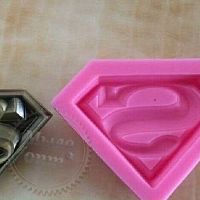
Casting material for shaping bars, bombs and decor pieces
Compound for molds is a ready-to-pour casting base used to fill rigid or flexible molds and create solid, evenly shaped pieces. It sets into a firm block that holds fine details from the mold surface, making it a practical option wherever a producer needs a consistent, repeatable shape without carving or hand-forming each unit.
This type of compound works across a wide range of small-batch and workshop production: bars, decorative blocks, bath bombs, wax or resin decor elements, and other cast items that rely on a mold to define their final form. Producers who already work with bath bomb molds or plastic soap molds often look for a compound that pairs well with the mold cavity depth and detail level they are casting into.
Because pouring behavior and set time affect how cleanly a piece releases, the choice of compound matters as much as the mold itself. It applies equally to candle casting, decorative craft blocks, and other cosmetic-adjacent shaping work, not only to one narrow product line.
Types of casting compound and how they differ
Compounds vary mainly by set time, flexibility once cured, and how much surface detail they can pick up from a mold. A fast-setting version suits producers running high volumes who need to demold quickly, while a slower-curing formula gives more working time for adding layers, embeds, or color swirls before the piece firms up.
Rigidity after curing is another point of difference. Some compounds cure into a harder, more brittle block suited to sharp-edged shapes, while others stay slightly more forgiving, which helps when a design has thin protrusions that could snap during release from a mold. This matters whether the cavity is a simple block shape or a detailed cavity such as those found in Silicone 3D Luxury Molds.
Pouring consistency also differs between products. A thinner mix flows into fine detail and small cavities more easily, which is useful for Silicone Portion Molds, while a thicker mix holds its position better in larger, open cavities without settling unevenly.
Matching compound to mold and recipe
The right compound depends first on the mold cavity itself. Deep, narrow cavities benefit from a compound with longer flow time so air pockets have a chance to escape before the mix sets, while shallow, wide cavities such as those in Silicone Baking Molds tend to release cleanly with almost any set time.
Producers also choose based on what the finished piece needs to do after casting. A block meant to be cut or trimmed with Plungers and Cutters benefits from a firmer cure, while a piece meant to stay as poured, such as a decorative bar or a bath bomb, can use a softer setting compound. The same base logic applies across candle casting, resin decor, and cosmetic-adjacent shaping work, not only to one narrow output.
Mold material plays a role too. A compound that releases cleanly from Silicone forms may behave differently in rigid Silicone Molds with sharper internal corners, so it helps to test a small pour before committing a full batch. For producers casting candle shapes specifically, pairing the compound with dedicated Candle Molds keeps the pour depth and cooling behavior predictable.
Origin, storage and related supplies
Compound listed in this section is sourced from the United States, giving producers a consistent starting point when comparing set time and finish across batches.
Unopened compound should be kept in a dry, temperature-stable space away from direct sunlight, since heat and humidity can shorten shelf life and affect how predictably a batch sets once poured. Once opened, using stock within a reasonable window helps keep pour consistency steady from one cast to the next.
Some producers also keep Silicone MoldStar15, 1 kg on hand alongside casting compound, since building a custom mold first and then pairing it with the right compound gives more control over shape than relying on stock molds alone.
FAQ
What is compound for molds used for
It is a pourable casting material for filling rigid or flexible molds to create solid, evenly shaped pieces such as bars, bombs, blocks and decor items. It sets into a firm shape that reproduces mold detail without hand-forming each unit, making batch production more consistent.
How long does casting compound take to set
Set time depends on the specific compound and mold depth, ranging from quick-setting formulas for thin cavities to slower ones for thicker, detailed pieces. Producers usually test a small pour first to confirm timing before committing a full batch.
Can the same compound be used for different mold types
Yes, most compounds work across rigid plastic molds and flexible silicone molds, though release behavior can vary slightly by surface. Matching the compound to cavity depth and detail level helps ensure clean release and sharp edges.
How should casting compound be stored
Keep it in a sealed container away from direct heat and moisture, since exposure can affect pouring consistency and set behavior over time. Stable room temperature storage is generally sufficient for maintaining workable texture between uses.
Recommendations
When choosing a compound for molds, match the set time and flexibility to the depth and detail of the cavity you are casting into, since a compound that suits a shallow bar mold may not release cleanly from a deep decorative piece. Test a small pour first to check finish and release before committing a full batch. For guidance on selecting a compound for a specific mold or production volume, reach out by email and our team will help you find the right match.



