-
 Absolutes
-
 Active Complexes
-
 Actives and Peptides for Cosmetics
-
 Amino Acids
-
 Food Flavorings
-
 Ayurveda
-
 Vitamins
-
 Gelling Agents and Thickeners
-
 Hydrosols and Floral Waters
-
 Hydrolyzed Proteins
-
 Fragrant and aromatic substances
-
 Acids, Salts, Alcohols, and Alkalis
-
 Preservatives and Antioxidants
-
 Cosmetic Raw Materials
-
 Dyes, Pearlescents, and Glitters
-
 Face Masks, Scrubs, and Dried Flowers
-
 Natural Base Oils for Cosmetics
-
 Candle Supplies
-
 Melt and Pour Soap Bases
-
 Base for cosmetics, cream, serum, shampoo
-
 Fragrance Oils
-
 Surfactants
-
 Peelings for Skin
-
 Herbal Powders and Plant
-
 Silicones and Conditioning Surfactants for Hair
-
 Packaging for Cosmetics and Perfumes
-
 Molds, Packaging, Tools
-
 Organic Extracts
-
 Emollients for Cosmetics
-
 Emulsifiers
-
 Essential Oils
- Jars for cream wholesale 466
- Bottles for cosmetics, dispensers wholesale 1427
- Wholesale laboratory glassware 15
- Wholesale volumetric glassware 16
- Wholesale plastic containers 1464
- Wholesale plastic containers 16
- Wholesale perfume samples 20
- Glass containers wholesale 394
- Containers for perfumery wholesale 527
- Wholesale Diffuser Bottles & Sticks 32
- Vials metal atomizers wholesale 10


Wholesale volumetric glassware

 Add to cart

 Subscribe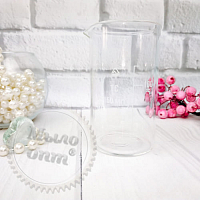


Для создания новых открытий в лабораториях, неотъемлемой частью считается мерная посуда, которая должна отличаться высоким качеством и хорошими характеристиками.
С помощью мерной посуды ученые производят точные замеры компонентов и веществ используемых для создания и исследования новых косметических, химических и других средств. С помощью мерной посуды работа проходит непринуждённо и эффективно, что не мало важно в лабораторных условиях.
Так же мерная посуда очень важна для мастеров, которые изготавливают в домашних условиях:
- авторское мыло ручной работы.
- авторские свечи ручной работы.
- натуральные косметические средства.
- мыло.
- шампуни.
- бальзамы.
- крема.
- косметические муссы и другие продукты.
Лабораторная посуда – является специальной емкостью, разнообразных форм и объемов, изготовление которой происходит из разнообразных материалов устойчивых к агрессивной среде.
Лабораторная посуда должна сочетать в себе следующие качества:
- Прозрачность.
- Термостойкость.
- Качественное изготовление и другое.
Перед применением лабораторной посуды, ее необходимо тщательно промыть под проточной водой, затем простерилизовать.
Мерный цилиндр – это сосуд, имеющий цилиндрическую форму, на его наружную стенку нанесено деление в миллиметрах. Изготовление мерных цилиндров осуществляется разной емкости и размеров, которые изготавливают из высококачественного стекла, полиэтилена и полипропилена.
Мензурки – являются сосудами выполненные, которые в конической форме. Мерное деление в мензурках нанесено на наружную стенку. Используются они для качественного отфильтровывания осадка оседаемого в нижней части мерной посуды.
В нашем магазине предоставлен широкий ассортимент товара, такой как:
- Мерная посуда оптом.
- Мерные стаканы оптом.
- Стаканы термостойкие оптом.
- Стаканы со шкалой оптом.
- Измерительные стаканы оптом.
- Лабораторные стаканы оптом.
- Мерные кружки оптом.
- Мерные стаканы оптом.
- Измерительные стаканы оптом.
- Стаканы для жидкостей оптом.
- Измерительная посуда оптом.
Используя мерную посуду можно быстро и точно отмерять ингридиенты и компоненты необходимой пропорции, при этом, не используя лишнего материала.
Это довольно таки важный признак, который позволяет изготавливать все в точных пропорциях.
В нашем магазине Мыло-опт подобран самый лучший и широкий ассортимент мерной посуды оптом.