-
 Absolutes
-
 Active Complexes
-
 Actives & Peptides
-
 Amino Acids & Proteins
-
 Food Flavors
-
 Ayurvedic Ingredients & Herbs
-
 Vitamins & Coenzymes
-
 Chocolate Making Supplies
-
 Thickeners & Gelling Agents
-
 Hydrosols & Floral Waters
-
 Hydrolyzed Proteins
-
 Fragrance Ingredients
-
 Nutraceutical Ingredients
-
 Acids, Salts, Alcohols & Alkalis
-
 Preservatives & Antioxidants
-
 Cosmetic Ingredients
-
 Colorants, Micas & Glitters
-
 Masks, Scrubs & Botanicals
-
 Oils & Butters
-
 Candle Making Supplies
-
 Melt and Pour Soap Bases
-
 Cream, Lotion & Hair Care Bases
-
 Fragrance Oils & Industrial Aromatics
-
 Cleansing Agents & Surfactants
-
 Peeling Actives & Acids
-
 Cosmetic Powders
-
 Solvents & Humectants
-
 Silicones & Conditioning Agents
-
 Bottles, Jars & Vials
-
 Silicone & Plastic Molds, Tools
-
 Botanical Extracts
-
 Cosmetic Emollients
-
 Emulsifiers
-
 Essential Oils
- Gel Food Coloring Wholesale 39
- Cosmetic Pigments Wholesale 17
- Lipstick Pigments Wholesale 40
- Chocolate Colorants Wholesale 10
- Liquid Migrating Dyes Wholesale 24
- Oil Soluble Liquid Dyes Wholesale 17
- Liquid Ultra Pigments Wholesale 11
- Food Coloring Powders Wholesale 20
- Phosphors and Luminescent Powders Wholesale 21
- Natural colorants Wholesale 39
- Liquid Pearl Pigmen Wholesale 13
- Pearlescent Pigments Wholesale 222
- Liquid Pigments Wholesale 37
- Wholesale synthetic dyes 9
- Blended colorants Wholesale 33
- Oil Soluble Dye Powders Wholesale 11
- Pigment Powders Wholesale 16
- Fluorescent Neon Pigments Wholesale 55


Gel Food Colors Wholesale
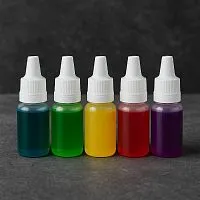
 Add to cart
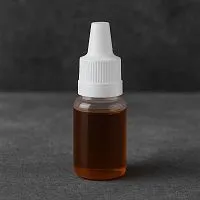
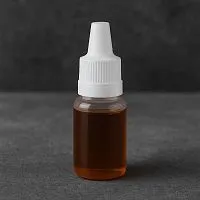
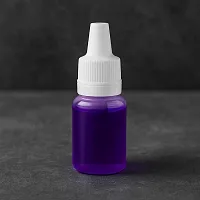
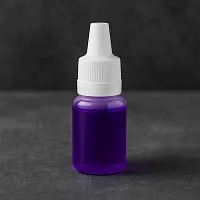
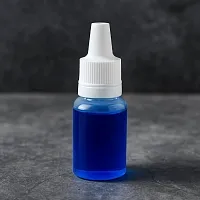
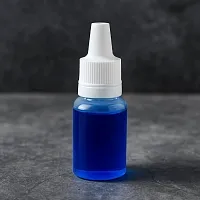
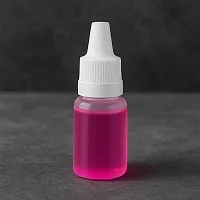
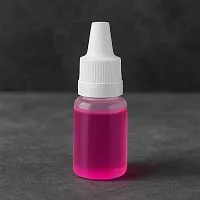
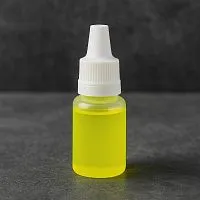
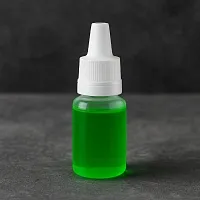
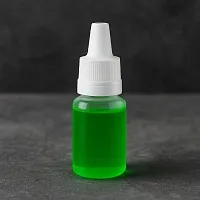
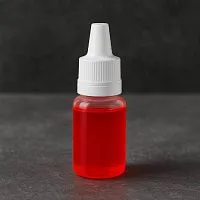
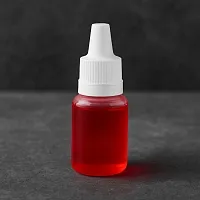
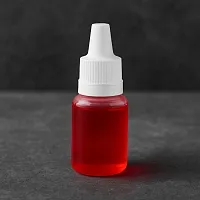
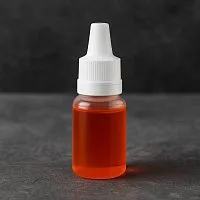
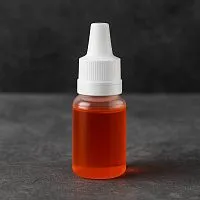
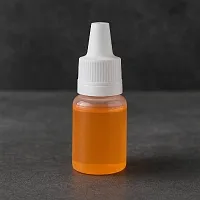
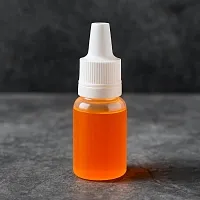
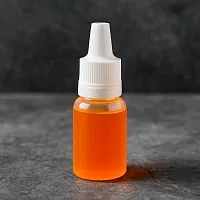
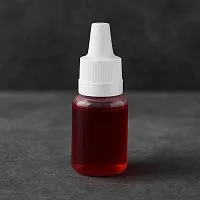
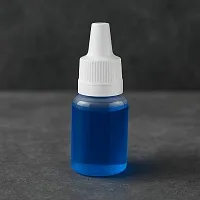
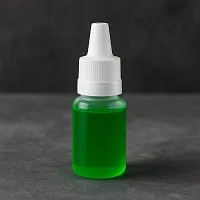
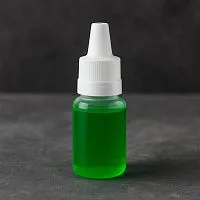
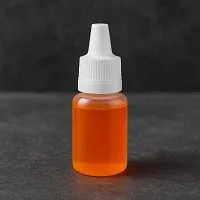
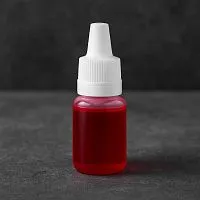
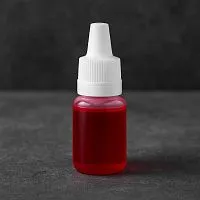
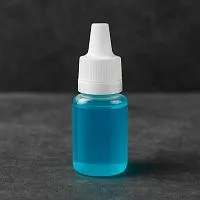
Concentrated gel pigments for color consistency in formulas
Gel food coloring is a thick concentrated colorant base used to bring precise controllable tone into cosmetic and decorative formulations without altering texture or consistency. This section covers a range of gel shades suited for both small batch production and larger scale manufacturing, offering strong tinting strength in small dosages.
Because gel colorants disperse evenly and blend smoothly into oils, emulsions, and water based mixtures, they suit a wide variety of applications, from tinting cream bases and lotions to coloring decorative elements and layered cosmetic products. Formulators value gel pigments for their ability to deliver deep saturated color while keeping the final texture stable and predictable.
For projects requiring a different flow behavior, liquid migrating dyes offer a mobile marbling effect, while liquid pigments provide a fluid non migrating alternative for uniform coloring across a batch.
Shade range and texture differences
The gel colorant lineup spans a full spectrum of tones, from cool blues to warm reds and soft neutrals, each formulated to keep the same dense consistency regardless of hue. A Gel Food Color Blue 100 ml behaves the same way on the spatula as a warmer shade, so formulators can switch between colors mid batch without adjusting technique or dosage.
Fruit inspired tones such as Gel Color Strawberry, 100 ml and Avocado Gel Color, 100 ml sit alongside brighter options like Yellow Gel Color 100 ml and Lime Gel Food Color, 100 ml, giving formulators a way to layer complementary tones within one product line or build a cohesive palette across several batches. Cooler pastel shades, including Pink Gel Color, 100 ml, work well where a softer visual effect is needed without diluting the gel base.
Choosing a shade and pairing with other ingredients
Selection usually comes down to dosage precision and how the pigment will sit within the final texture. Gel bases carry color intensely in small amounts, which makes them useful anywhere a formula needs strong tone without adding extra liquid volume or shifting viscosity, whether that is a poured layer, a whipped base, or a molded decorative piece.
These pigments pair naturally with other coloring formats depending on the visual effect required. For a marbled or swirled look, blending with Large gel food color set (5 colors, 100 ml each) gives access to a coordinated range in one order, useful for testing several tones before committing to a production run. Formulators working with mixed media projects often combine gel tones with Pigment Powders Wholesale for added shimmer or depth, or use them alongside the neighboring liquid formats mentioned earlier when a project calls for both a solid saturated base tone and a lighter accent layer.
Origin, storage, and batch planning
Supply for this range comes from manufacturers based in Germany and Sweden, reflecting sourcing focused on consistent pigment concentration across production batches. Keeping containers tightly sealed and stored away from direct heat and sunlight helps preserve both color strength and the gel consistency over time.
For studios planning recurring production, ordering multiple shades together simplifies batch scheduling and reduces the need for repeat orders mid project. Since assortment and packaging can shift between restocks, checking current availability before finalizing a large formulation run is a practical step for any workshop or manufacturing line.
FAQ
What is the difference between gel food coloring and liquid pigments for cosmetic formulas
Gel colorants are thick and concentrated, giving strong tone with minimal dosage while keeping texture stable. Liquid pigments are more fluid and disperse uniformly through a batch, making them better suited for thinner formulations where a gel base would affect consistency.
How much gel colorant should be used in a cream or emulsion base
Dosage depends on the desired depth of shade and the base recipe, since gel colorants are highly concentrated. Start with a small amount, blend thoroughly, and add gradually until the target tone is reached, checking the result once fully incorporated into the batch.
Can gel colorants be mixed together to create custom shades
Yes, gel colorants from the same line are generally compatible and can be blended to build custom tones. Testing a small sample batch first helps confirm the resulting shade and consistency before committing to a full production run.
How should gel colorants be stored to keep their consistency
Keep containers tightly sealed, away from direct sunlight and heat, at stable room temperature. This prevents the gel from drying out, separating, or losing its tinting strength, and keeps the shade consistent between batches over time.
Recommendations
When choosing a gel colorant, match the shade family to your finished product line and confirm how it behaves in your specific base, whether oil rich, water based, or emulsion. For larger production runs, request a single batch to keep tone consistent across the whole order. Reach out by email with your formulation details and target volume, and we will help you select the right shades for your project.


