Product catalog
-
 Absolutes
-
 Active Complexes
-
 Actives and Peptides for Cosmetics
-
 Amino Acids
-
 Food Flavorings
-
 Ayurveda
-
 Vitamins
-
 Gelling Agents and Thickeners
-
 Hydrosols and Floral Waters
-
 Hydrolyzed Proteins
-
 Fragrant and aromatic substances
-
 Acids, Salts, Alcohols, and Alkalis
-
 Preservatives and Antioxidants
-
 Cosmetic Raw Materials
-
 Dyes, Pearlescents, and Glitters
-
 Face Masks, Scrubs, and Dried Flowers
-
 Oils, batters, macerates, oil mixtures
-
 Candle Supplies
-
 Melt and Pour Soap Bases
-
 Base for cosmetics, cream, serum, shampoo
-
 Fragrance Oils
-
 Surfactants
-
 Peelings for Skin
-
 Herbal Powders and Plant
-
 Silicones and Conditioning Surfactants for Hair
-
 Raw materials for dietary supplements
-
 Packaging for Cosmetics and Perfumes
-
 Molds, Packaging, Tools
-
 Organic Extracts
-
 Emollients for Cosmetics
-
 Emulsifiers
-
 Essential Oils
Refine section
- Absolutes 59
- Active Complexes 260
- Actives and Peptides for Cosmetics 3685
- Amino Acids 64
- Food Flavorings 2110
- Ayurveda 218
- Vitamins 90
- Gelling Agents and Thickeners 82
- Hydrosols and Floral Waters 138
- Hydrolyzed Proteins 76
- Fragrant and aromatic substances 34
- Acids, Salts, Alcohols, and Alkalis 102
- Preservatives and Antioxidants 124
- Cosmetic Raw Materials 8974
- Dyes, Pearlescents, and Glitters 1436
- Face Masks, Scrubs, and Dried Flowers 2173
- Oils, batters, macerates, oil mixtures 1640
- Candle Supplies 607
- Melt and Pour Soap Bases 353
- Base for cosmetics, cream, serum, shampoo 86
- Fragrance Oils 6529
- Surfactants 122
- Peelings for Skin 56
- Herbal Powders and Plant 366
- Silicones and Conditioning Surfactants for Hair 66
- Raw materials for dietary supplements 255
- Packaging for Cosmetics and Perfumes 3926
- Molds, Packaging, Tools 9597
- Organic Extracts 3427
- Emollients for Cosmetics 88
- Emulsifiers 314
- Essential Oils 543
Filter by parameters
Мастер классы, рецепты, советы


Тоник для лица с ниацинамидом: восстанавливающий, матирующий, успокаивающий
Эта статья представляет собой исчерпывающее руководство по созданию домашних тоников для лица на основе ниацинамида (витамина B3). В ней подробно описаны полезные свойства ниацинамида: его способность восстанавливать кожный барьер, эффективно матировать кожу, сужать поры, уменьшать покраснения и оказывать успокаивающее действие. В статье представлены три детальных рецепта тоников, адаптированных для разных потребностей кожи – от восстанавливающего до матирующего и успокаивающего. Особое внимание уделено нюансам приготовления, выбору качественных компонентов, рекомендациям по безопасному применению и правильному хранению готовых средств, подчеркивая преимущества домашней косметики перед промышленными аналогами.
Какие консерванты лучше всего использовать для создания шампуней и гелей для душа?
Статья подробно рассматривает важность использования консервантов в домашней водной косметике, такой как шампуни и гели для душа. В ней объясняются риски микробного загрязнения, дается обзор наиболее популярных и безопасных консервантов, доступных для домашнего использования, с указанием их преимуществ и рекомендованных дозировок. Также представлены рецепты средств с корректным вводом консервантов и советы по их безопасному применению и хранению.
Что выбрать: пептидную косметику или инъекции у косметолога?
Статья представляет собой сравнительный анализ двух популярных подходов к омоложению кожи: использование пептидной косметики (с акцентом на домашние рецепты) и инъекционные процедуры у косметолога. Она описывает принципы действия, преимущества и недостатки каждого метода, а также предлагает рекомендации по выбору наиболее подходящего решения в зависимости от индивидуальных потребностей и целей.
Emulsifiers

 Add to cart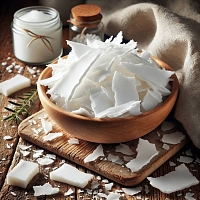



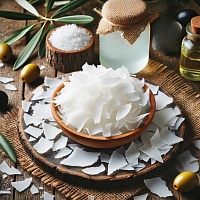
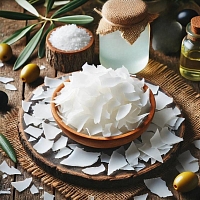
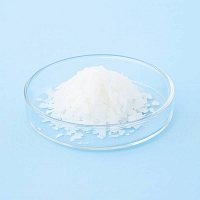

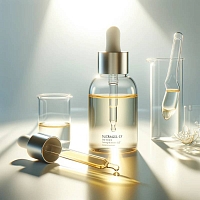
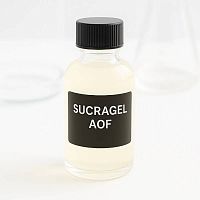

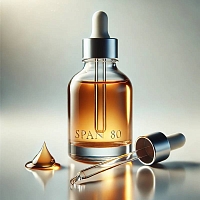
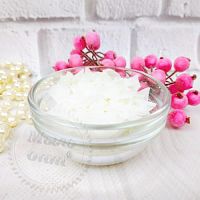


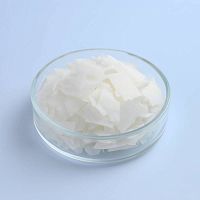


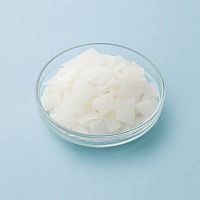



Эмульгаторы: секрет идеальных косметических средств
Хотите создавать кремы, лосьоны, гели и другие косметические продукты, которые будут не только эффективными, но и приятными в использовании?
В интернет-магазине "Мыло Опт" вы найдете широкий выбор эмульгаторов, которые помогут вам добиться желаемого результата.
Что такое эмульгаторы?
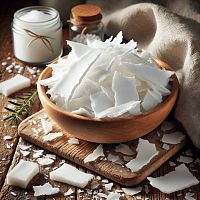
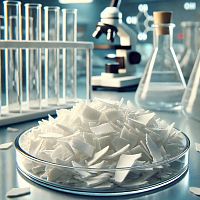
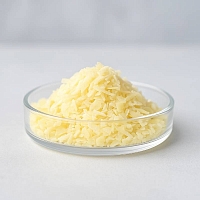
Эмульгаторы – это вещества, которые позволяют соединять несмешиваемые жидкости, такие как вода и масло. Они играют важную роль в создании стабильных и однородных косметических продуктов.
В "Мыло Опт" вы найдете:
- Натуральные эмульгаторы:
- Растительные эмульгаторы: лецитин, оливковое масло, воск жожоба
- Животные эмульгаторы: ланолин, пчелиный воск
- Синтетические эмульгаторы:
- Неионогенные эмульгаторы: ПЭГ-40 стеарат, глицерил стеарат, полисорбат 80
- Катионные эмульгаторы: хлорид цетримония, бегентримония хлорид
- Амфотерные эмульгаторы: Оливем 1000
Почему стоит выбрать "Мыло Опт"?
- Широкий выбор эмульгаторов: у нас вы найдете эмульгаторы для любых целей и задач.
- Высокое качество: мы предлагаем только сертифицированные эмульгаторы от надежных производителей.
- Доступные цены: мы работаем напрямую с производителями, поэтому можем предложить вам выгодные цены на эмульгаторы.
- Удобная доставка: мы доставляем эмульгаторы по всей Украине и всему миру.
Создавайте косметические шедевры с помощью эмульгаторов из "Мыло Опт"!