-
 Absolutes
-
 Active Complexes
-
 Actives & Peptides
-
 Amino Acids & Proteins
-
 Food Flavors
-
 Ayurvedic Ingredients & Herbs
-
 Vitamins & Coenzymes
-
 Chocolate Making Supplies
-
 Thickeners & Gelling Agents
-
 Hydrosols & Floral Waters
-
 Hydrolyzed Proteins
-
 Fragrance Ingredients
-
 Nutraceutical Ingredients
-
 Acids, Salts, Alcohols & Alkalis
-
 Preservatives & Antioxidants
-
 Cosmetic Ingredients
-
 Colorants, Micas & Glitters
-
 Masks, Scrubs & Botanicals
-
 Oils & Butters
-
 Candle Making Supplies
-
 Melt and Pour Soap Bases
-
 Cream, Lotion & Hair Care Bases
-
 Fragrance Oils & Industrial Aromatics
-
 Cleansing Agents & Surfactants
-
 Peeling Actives & Acids
-
 Cosmetic Powders
-
 Solvents & Humectants
-
 Silicones & Conditioning Agents
-
 Bottles, Jars & Vials
-
 Silicone & Plastic Molds, Tools
-
 Botanical Extracts
-
 Cosmetic Emollients
-
 Emulsifiers
-
 Essential Oils
- Glycolic Extracts Wholesale 298
- Botanical Extract Complexes Wholesale 105
- Oil Extracts Wholesale 281
- Aromatic Extracts Wholesale 104
- Fermented Extracts Wholesale 41
- Liquid Plant Extract Wholesale 247
- Plant Extracts Concentrates Wholesale 228
- CO2 Extracts Wholesale 548
- Powdered extracts and algae wholesale 679


Plant Extracts Concentrates Wholesale
 Add to cart



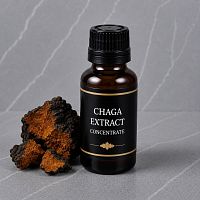
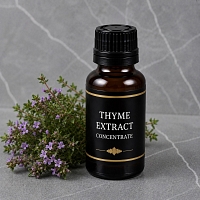
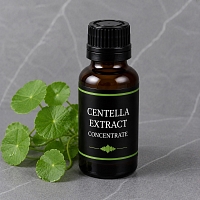


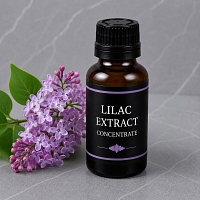
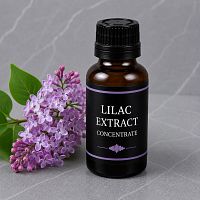

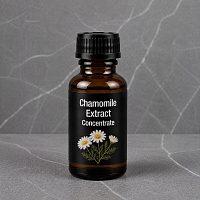

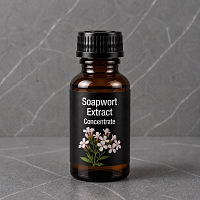


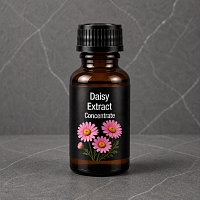


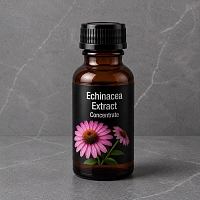
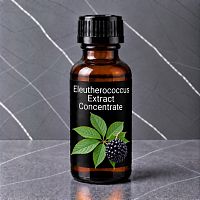


Concentrated botanical actives for professional formulation work
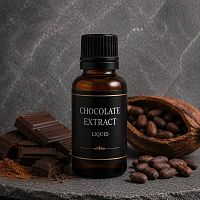
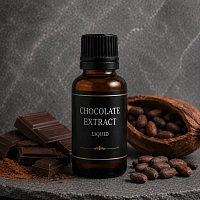
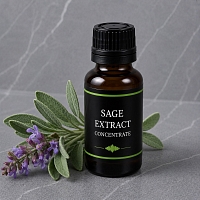
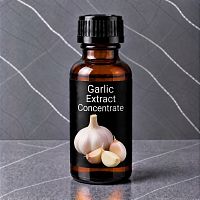
This section brings together concentrated plant extracts used as functional additives in cosmetic formulations. These are potent botanical concentrates, typically standardized for active content, that formulators dose in small percentages to bring specific properties into a finished product, such as antioxidant support, soothing profiles, or targeted skin conditioning effects. The range covers extracts derived from a wide variety of plant sources for use across creams, serums, lotions, and similar bases.
Because these are concentrates rather than ready diluted solutions, they are commonly selected by formulators who want more control over the final strength and character of an active in a recipe. A concentrated extract can be blended into an emulsion phase, a serum base, or a leave on formula, with the dosage adjusted depending on the desired intensity. For extracts already diluted in a carrier, the Liquid Plant Extract Wholesale section covers water, alcohol, and glycerin based versions, while dry format alternatives are available through Powdered extracts and algae wholesale.
Single botanicals versus blended complexes
Within this range, formulators will find single plant extract concentrates alongside pre-blended complexes built for a specific finishing effect. A single extract, such as Chamomile Extract Concentrate 100 ml or Eucalyptus Extract Concentrate 100 ml, gives a formulator one clearly defined botanical input to dose on its own terms.
Blended options such as the Whitening Extract Complex 1 L or the Moisturizing Extract Complex 1 L combine several plant sources already balanced toward one functional direction, which can shorten development time when a formulator needs a ready starting point rather than building a blend extract by extract.
Choosing a concentrate and building it into a recipe
Selection generally comes down to the functional role a formulator needs in the finished base: a brightening profile, hydration support, a calming effect for sensitive skin formulas, or a light conditioning finish for hair and body products. Extracts such as Cornflower Extract Concentrate 100 ml or Lilac Extract Concentrate 100 ml are chosen for their conditioning and soothing character across a wide range of leave on and rinse off formats, not for a single narrow use case.
Others bring a more distinct sensory or functional note to a recipe, including Ginger Extract Concentrate 100 ml, Grape Extract (concentrate) 100 ml, Bird Cherry Extract Concentrate 100 ml, and Coltsfoot Extract Concentrate 100 ml, all of which work well alongside emollients, humectants, and emulsifiers already present in a base recipe. Because these are concentrates, small dosage adjustments are usually enough to shift the intensity of the final effect, which gives a formulator room to fine tune a recipe without reformulating the whole base. For a lighter, pre-diluted alternative, the Oil Extracts Wholesale section is worth checking alongside this one.
Origin, volumes, and storage
Extracts in this range originate from suppliers in Germany, Ukraine, the United States, Italy, France, and Switzerland, giving formulators a choice between different production standards depending on the project. Volumes vary by product, with some concentrates such as Cornflower Extract Concentrate 1 L available in larger formats for higher volume production runs alongside the standard 100 ml size used for smaller batches and trial formulations.
As concentrated botanical materials, these extracts keep their properties best when stored in a cool, dark place, away from direct sunlight and heat sources, with containers kept tightly closed between uses to limit oxidation and moisture contact.
FAQ
What is the difference between a concentrated plant extract and a regular liquid extract
A concentrated extract is standardized for active content and dosed in small percentages, giving formulators more control over final strength. Regular liquid extracts are already diluted in a carrier and used at higher percentages without further concentration adjustments.
How much concentrated botanical extract should be used in a cream or serum
Dosage depends on the specific extract and its standardized active level, typically ranging from a fraction of a percent up to a few percent of the total formula. Always start with the supplier guidance for that particular extract and adjust based on the texture and stability of the base.
Can concentrated plant extracts be combined with each other in one formulation
Yes, multiple concentrated extracts can be blended in a single formula to combine different functional properties, such as antioxidant and soothing profiles. Compatibility with the rest of the recipe, including pH and preservative system, should still be checked during formulation.
How should concentrated botanical extracts be stored
These concentrates are generally sensitive to heat, light, and air exposure, so they should be kept in tightly closed containers, away from direct sunlight, in a cool and dry place. Proper storage helps preserve the active content over time.
Which cosmetic products commonly use concentrated plant extracts
They are used across creams, serums, lotions, and other leave on or rinse off formulations where a formulator wants to introduce a specific functional effect, such as conditioning or antioxidant support, at a controlled dose.
Recommendations
When selecting a concentrated botanical extract for a specific formulation, start by matching the plant source and its known functional profile to the effect you want in the finished product, whether that is antioxidant support, soothing, or conditioning. Compare the format to your process: a concentrate gives more control over dosage than an already diluted extract, but requires careful blending into the emulsion or serum phase. Check compatibility with the rest of your recipe, including pH range and other actives, before scaling up a batch. For questions about a specific extract or help narrowing down options for your formulation, reach out by email and our team will assist with your order.



