-
 Absolutes
-
 Active Complexes
-
 Actives & Peptides
-
 Amino Acids & Proteins
-
 Food Flavors
-
 Ayurvedic Ingredients & Herbs
-
 Vitamins & Coenzymes
-
 Chocolate Making Supplies
-
 Thickeners & Gelling Agents
-
 Hydrosols & Floral Waters
-
 Hydrolyzed Proteins
-
 Fragrance Ingredients
-
 Nutraceutical Ingredients
-
 Acids, Salts, Alcohols & Alkalis
-
 Preservatives & Antioxidants
-
 Cosmetic Ingredients
-
 Colorants, Micas & Glitters
-
 Masks, Scrubs & Botanicals
-
 Oils & Butters
-
 Candle Making Supplies
-
 Melt and Pour Soap Bases
-
 Cream, Lotion & Hair Care Bases
-
 Fragrance Oils & Industrial Aromatics
-
 Cleansing Agents & Surfactants
-
 Peeling Actives & Acids
-
 Cosmetic Powders
-
 Solvents & Humectants
-
 Silicones & Conditioning Agents
-
 Bottles, Jars & Vials
-
 Silicone & Plastic Molds, Tools
-
 Botanical Extracts
-
 Cosmetic Emollients
-
 Emulsifiers
-
 Essential Oils
Candle Fragrances Oils Wholesale
 Add to cart


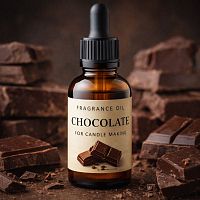


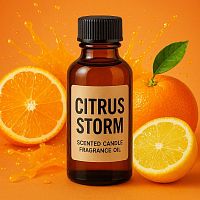

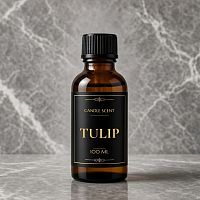

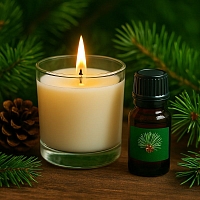
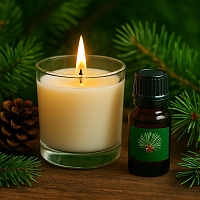

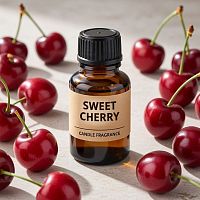




Scent compounds formulated for consistent hot and cold throw
This section covers fragrance oils supplied for candle production, ranging from single note profiles to layered blends built for different wax systems. Each oil is selected for behavior in a burning candle, not just scent on paper, so buyers can plan formulations around throw strength, flashpoint, and how a fragrance holds up once poured and cured.
These oils are used across paraffin, soy, coconut, and blended wax candles, as well as wax melts and other poured wax goods where scent release matters as much as appearance. Producers working at volume often pair fragrance selection with raw materials for candles to balance how a wax base carries and releases a given scent load.
Color is handled separately from scent, so many buyers building a full product line will also review candle colorants wholesale to match a fragrance family with a corresponding visual identity across a batch.
Profile Types and How They Differ
Within this range, fragrance oils fall into a few practical groups. Single note profiles such as vanilla, chamomile, coffee, and lemon give a clean, recognizable scent that behaves predictably across different candle types, which makes them useful as a baseline for testing hot throw in a new wax blend. Warmer, richer profiles like chocolate sit on the heavier end of the spectrum and tend to need slightly different loading rates to avoid a muted burn. Cooler profiles such as menthol behave differently again, often reading stronger in cold throw than in hot throw, so they get dosed with that trade off in mind.
These differences matter because a fragrance oil is not just a scent choice, it is a formulation variable. The same oil can perform differently depending on wax type, pour temperature, and cure time, which is why producers testing a new line usually run small batches before committing to a full pour using candle making tools wholesale to keep measurements and temperatures consistent across trials.
Choosing a Fragrance and Pairing It With Other Materials
Selection usually starts with intended use rather than scent alone. A vanilla candle fragrance oil, 100 ml works well for small batch testing, while the vanilla candle fragrance oil, 1 l suits producers who have already confirmed the load rate and are moving to volume production. The same logic applies across profiles, with chamomile candle fragrance oil, 100 ml and chamomile candle fragrance oil, 1 l offered in the same pairing so buyers can test before scaling.
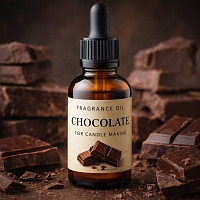
For food inspired profiles, the chocolate candle fragrance oil 100 ml and chocolate candle fragrance oil, 1 l pair well with warmer wax blends, while coffee candle fragrance oil 100 ml and coffee candle fragrance oil 1 l are often used in blends meant to read as bold rather than subtle. On the brighter end, lemon candle fragrance oil 100 ml and lemon candle fragrance oil 1 l are frequently layered with heavier notes to cut through a dense blend, and menthol candle fragrance oil 100 ml is commonly used in small proportions to add a cooling top note to an otherwise sweet or warm profile.
Sourcing and Storage
Fragrance oils in this section are sourced from Germany and the United States, reflecting suppliers with established production standards for scent consistency across batches. This matters for producers running repeat orders, since batch to batch consistency directly affects how a finished candle line performs against customer expectations.
Storage conditions affect both scent stability and flashpoint behavior over time. Oils should be kept in sealed containers, away from direct heat and sunlight, in a stable room temperature environment. Oils stored incorrectly can shift in scent profile or separate, which changes how they perform once blended into wax, so producers working with larger 1 l volumes should plan storage space before ordering at that scale.
FAQ
What is the difference between hot throw and cold throw in a fragrance oil?
Cold throw is the scent strength noticed from an unlit, cured candle, while hot throw is what fills a room once the candle is burning. A well formulated oil balances both, since a strong cold throw does not always translate into equal performance during burning.
How much fragrance oil should be used per pound of wax?
Most poured wax formulations fall between six and ten percent fragrance load by weight, though the right amount depends on the wax base, wick size, and desired throw. Testing a small batch first helps confirm performance before scaling a full run.
Can the same fragrance oil be used in soy, paraffin, and coconut wax?
Many oils in this range perform across multiple wax systems, though blended and natural waxes can carry scent differently than paraffin. Producers switching wax bases often retest throw and appearance to confirm the fragrance still performs as expected.
How should fragrance oils be stored before use?
Fragrance oils keep best in a cool, dark space away from direct heat and sunlight, sealed tightly between uses to limit oxidation. Proper storage protects both scent accuracy and shelf life, especially for larger volumes held over longer production cycles.
Do fragrance oils need to be paired with a specific colorant?
No, scent and color are formulated independently, so any fragrance oil can generally be combined with a compatible colorant chosen separately. Matching a scent family to a visual identity is a styling choice rather than a technical requirement of the oil itself.
Recommendations
Choosing the right fragrance oil starts with the wax system and pour method already planned for a batch, since throw and flashpoint behave differently across paraffin, soy, and blended bases. Testing a sample size before committing to a full order helps confirm scent strength and stability through curing. For larger production runs, ordering a consistent batch reduces variation in throw from one pour to the next. Requests, formulation questions, and order details can be sent by email, with orders typically assembled within three to five business days.



