
-
 Absolutes
-
 Active Complexes
-
 Actives & Peptides
-
 Amino Acids & Proteins
-
 Food Flavors
-
 Ayurvedic Ingredients & Herbs
-
 Vitamins & Coenzymes
-
 Chocolate Making Supplies
-
 Thickeners & Gelling Agents
-
 Hydrosols & Floral Waters
-
 Hydrolyzed Proteins
-
 Fragrance Ingredients
-
 Nutraceutical Ingredients
-
 Acids, Salts, Alcohols & Alkalis
-
 Preservatives & Antioxidants
-
 Cosmetic Ingredients
-
 Colorants, Micas & Glitters
-
 Masks, Scrubs & Botanicals
-
 Oils & Butters
-
 Candle Making Supplies
-
 Melt and Pour Soap Bases
-
 Cream, Lotion & Hair Care Bases
-
 Fragrance Oils & Industrial Aromatics
-
 Cleansing Agents & Surfactants
-
 Peeling Actives & Acids
-
 Cosmetic Powders
-
 Solvents & Humectants
-
 Silicones & Conditioning Agents
-
 Bottles, Jars & Vials
-
 Silicone & Plastic Molds, Tools
-
 Botanical Extracts
-
 Cosmetic Emollients
-
 Emulsifiers
-
 Essential Oils
- Antioxidants 128
- Biocides 12
- Hydrosols (Hydrolates) 11
- Hydrocolloids for Cosmetics 10
- Others 70
- Fragrant Waters for Cosmetics 26
- Mineral Cosmetic Ingredient 196
- Functional Components 5157
- Corneotherapy 17
- Liposomes for Cosmetics 22
- Minerals 76
- pH Neutralizers/Correctors 20
- Resins and Resinoids 17
- UV and SPF Filters for Cosmetics 103
- Fruit Powders 15
- Chemical Raw Materials 156
- Enzymes, Filtrates, and Lysates 26
- Cargill France SAS – Oils and Actives 10
- BASF Cognis Care Chemicals 12
- Vitamins & Coenzymes Wholesale 160
- Bulk Waxes for Cosmetics 61
- Others Wholesale 89
- Acids, Salts, Alcohols & Alkalis Wholesale 139
- Cosmetic Ingredients Wholesale 2612
- Food grade raw materials wholesale 13
- Fruit Powders in Bulk 23
- Antioxidants bulk 1
- Acids and Alkalis Wholesale 17
- Preservatives Bulk 5
- Bulk Surfactants 3
- Emulsifiers Bulk 14
- Hydrosols Bulk 210
pH Neutralizers/Correctors
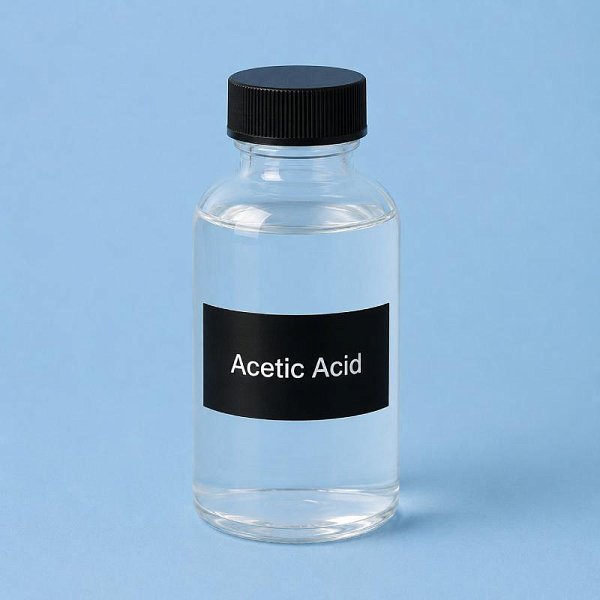
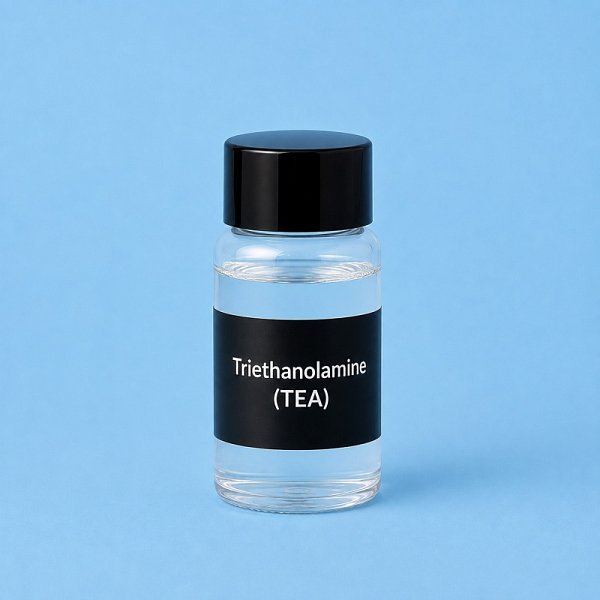
 Add to cart
Read more
 Subscribe
Adjusting acidity levels in cosmetic blends
pH neutralizers and correctors bring the acidity of a finished formula into the desired range after the main ingredients have been combined. The category gathers acids, alkalis and buffering compounds used either for precise adjustment or for neutralizing thickeners during formula development. These materials find use in emulsions, gels and serums where the final acidity value determines texture stability and compatibility with other components.
Selection depends on the base type and the actives already present. Alkaline amines suit carbomer gel systems, while buffer pairs work well in aqueous solutions. Further details on related raw material groups appear in the Cosmetic Ingredients section. For production volumes, it is easier to order from wholesale Neutralizers/pH correctors.
Types of correctors and their differences
Several chemical classes are represented. Alkaline amines such as triethanolamine raise pH and serve to neutralize acidic thickeners. Acidic components lower the value and are added in small increments at the final stage. Auxiliary solvents improve distribution of these substances in the water phase. Amino acids occupy an intermediate position, gently shifting acidity while performing additional roles in the formula.
Supply forms vary: concentrated liquids suit large batches, while ready solutions simplify dosing in laboratory settings. The complete list of acids and alkalis is available in the Emulsifiers Bulk section.
Selection criteria for a given formula
The main guide is the target pH range of the finished product and the cosmetic form type. In emulsions it is important to consider interaction with the fatty phase to prevent separation. Addition always proceeds gradually, with a calibrated instrument used to check the value after each portion.
Role in various formula types
Correctors are introduced after the mixture has cooled and the base components have stabilized. They provide the required gel viscosity and help prevent changes during storage. In serums and toners buffering compounds maintain uniformity when peptides or other actives are added later.
To expand supplies across several product lines it is convenient to consult the Lactic Acid 80%, 100 g section.
Storage and batch handling
Materials are kept in tightly closed containers protected from light and moisture. The temperature range appears on the packaging of each item. When working with larger volumes a dosage log helps maintain consistency from one batch to the next.
Further acid examples can be found via Acetic Acid, 25 ml.
FAQ
How frequently should pH be checked after adding a corrector?
Check after every small addition until the target range is reached. This prevents over-correction.
Can different types of neutralizers be combined in one formula?
Yes, provided they are introduced sequentially and the value is monitored. Buffer pairs are often paired with alkaline amines for greater stability.
Does solubility of the corrector affect the final texture?
Solubility directly influences even distribution, so water-phase compatible items are preferred for aqueous systems.
Are special conditions needed when working with amino acids from this group?
Amino acids are added at moderate temperature while pH is monitored to preserve their functional properties in the formula.



