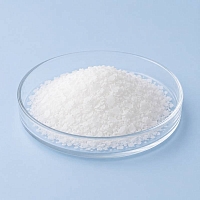
Potassium Hydroxide KOH for soap making and industrial cleaning formulations
Potassium Hydroxide KOH is widely used in liquid soap production, industrial cleaning systems, degreasing formulations, technical detergent manufacturing and alkaline processing applications where strong solubility and stable alkaline performance are required. The highest global demand for potassium hydroxide is strongly connected to soap making, industrial cleaning products and chemical manufacturing rather than traditional cosmetic applications alone.
Potassium Hydroxide is a highly reactive alkaline material with excellent water solubility and strong saponification properties. It plays a key role in the production of liquid soap, black soap, soft soap paste, cleaning concentrates and technical detergent systems. Due to its ability to react efficiently with fats and oils, KOH remains one of the most important raw materials in modern soap manufacturing industries worldwide.
In soap making, Potassium Hydroxide is primarily used for producing liquid and semi-soft soap systems with smooth, flexible texture characteristics. Compared to Sodium Hydroxide, potassium hydroxide creates softer and more water-soluble soap structures commonly used in liquid soap, cream soap, shaving soap and black soap formulations. This makes KOH highly popular among artisan soap manufacturers, handmade cosmetic producers and professional soap base suppliers.
Within industrial cleaning applications, Potassium Hydroxide is used in alkaline cleaners, degreasing concentrates, heavy-duty cleaning systems and industrial detergent formulations designed to remove oil-based and organic contamination. Its strong alkaline properties make it suitable for technical cleaning products used across manufacturing, maintenance and processing industries.
In chemical manufacturing, Potassium Hydroxide is used in the production of potassium salts, pH regulation systems, chemical intermediates and various processing formulations requiring controlled alkaline environments. It is also utilized in selected food processing and industrial manufacturing applications as a functional processing ingredient.
In cosmetic manufacturing, KOH is mainly valued for liquid soap production and cleansing systems. It helps create smooth soap textures, supports rich foam formation and improves the flexibility of soft soap formulations used in modern cleansing products.
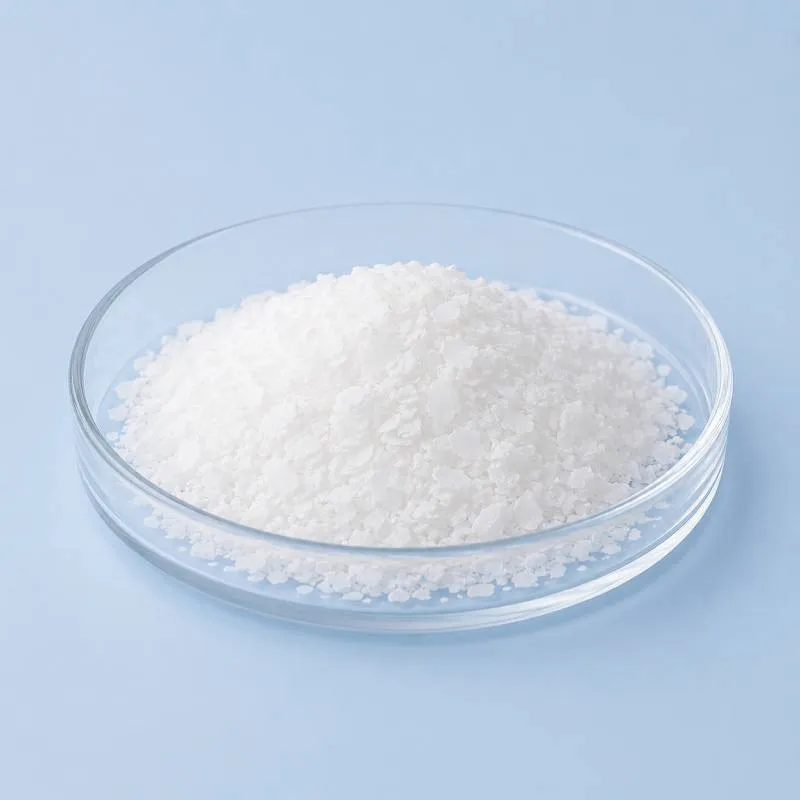
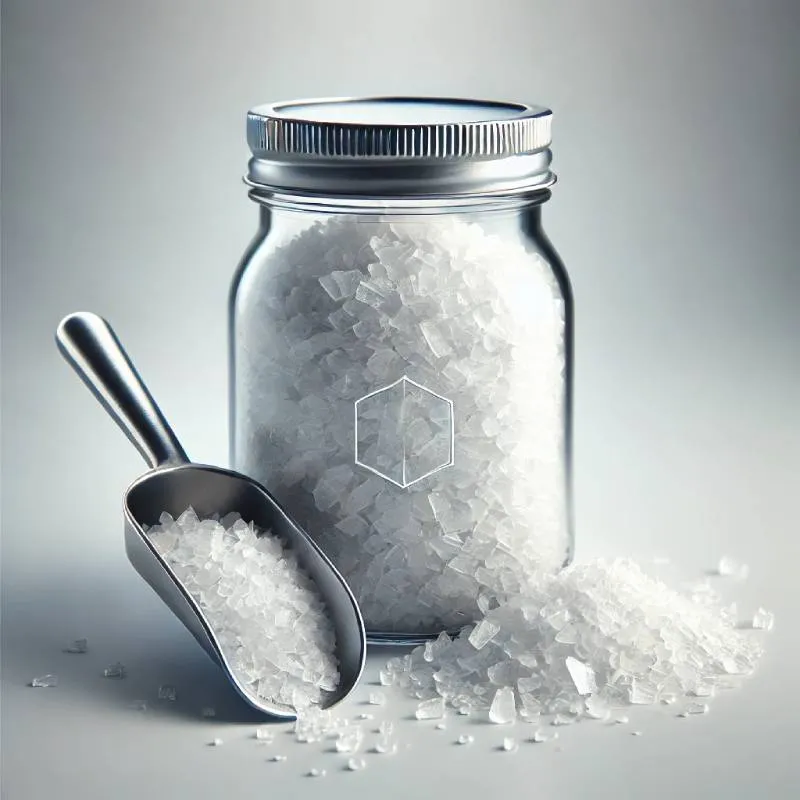
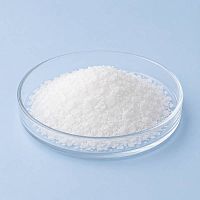
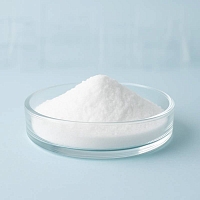
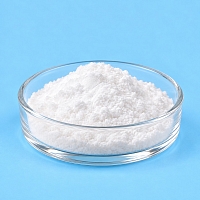
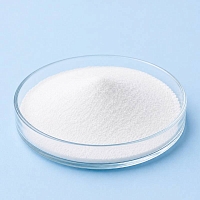
Potassium Hydroxide is commonly supplied in the form of white flakes, pellets or granules with strong hygroscopic properties. The material absorbs moisture rapidly from air and should therefore be stored in tightly sealed containers. Proper protective equipment including gloves and eye protection is required during handling.
KOH dissolves rapidly in water while generating significant heat. When preparing solutions, Potassium Hydroxide should always be added slowly into water rather than adding water into the alkali material in order to minimize overheating and splashing.
Liquid potassium soap formulation for cleansing products
Phase A
Purified Water - 180 g
Vegetable Glycerin - 20 g
Phase B
Potassium Hydroxide KOH - 38 g
Phase C
Refined Coconut Oil - 120 g
Refined Olive Oil - 60 g
Castor Oil - 20 g
Phase D
D-Panthenol 75% - 3 g
Geogard 221 Preservative - 2 g
Green Tea Fragrance Oil - 1 g
Slowly add Potassium Hydroxide KOH into water while stirring continuously. The solution will heat rapidly during dissolution. Allow the alkali solution to fully dissolve and cool to approximately 65-70°C.
Separately heat the oils to the same temperature range. Slowly combine the alkali solution with the oil phase and begin mixing using short immersion blender pulses. Once a stable trace forms, continue cooking the soap paste under gentle heat for approximately 1.5-2 hours until a semi-transparent soap paste develops.
After saponification is complete, gradually add hot water to dilute the paste to the desired viscosity. Once the mixture cools below 40°C, add Phase D ingredients.
The finished product becomes a soft liquid soap with stable foam performance, smooth cleansing properties and flexible texture. The formulation works well for hand wash products, liquid soap systems, cleansing gels and artisan soap making applications.