Tartaric Acid as a Core Acidity Regulator Across Food, Pharma, and Cosmetic Manufacturing
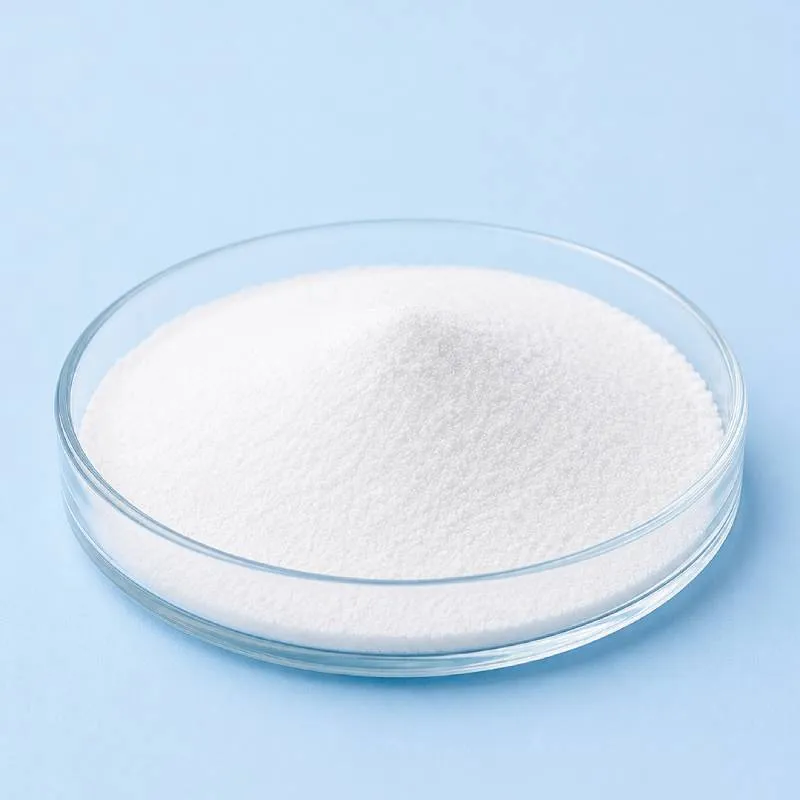
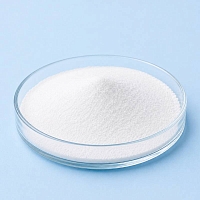
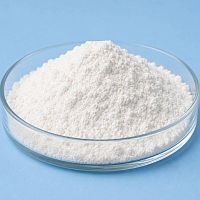
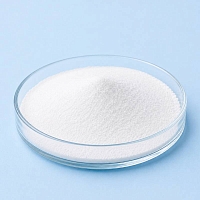
Tartaric Acid supplied in a 1 kg pack belongs to the category Acids, Salts, Alcohols, and Alkalis, and it remains one of the most globally demanded organic acids across multiple industries. The largest worldwide demand comes from the food and beverage sector, where the acid regulates the acidity of wine, is used in carbonated soft drinks, confectionery, marmalade, jelly production, and as a key part of baking powder formulations built on cream of tartar. A 1 kg pack suits small food workshops and bakeries as well as home winemakers and confectioners working with modest batch sizes.
Beyond the food industry, tartaric acid is widely used in pharmaceutical manufacturing of effervescent tablets and powders, reacting with sodium bicarbonate to produce a fizzing effect. In construction, it acts as a setting retarder for gypsum-based mixtures and plasters, while in textile and metal finishing industries it functions as a mordant and complexing agent. In cosmetic manufacturing, the acid serves as a pH adjuster and gentle exfoliant, found in toners, chemical peels, and effervescent bath products where it reacts with baking soda to create a fizzing sensation. Soap making can be mentioned only briefly here as one minor example among many other applications, not as a central focus.
Tartaric acid blends well with other organic acids, allowing formulators to build balanced acidic systems for different purposes. Combined with Adipic Acid, it is used in dry beverage mixes and effervescent blends, contributing a mild tartness without excessive sharpness. In cosmetic formulations it is often paired with Pyrrolidone Carboxylic Acid, which enhances the moisturizing profile of the formula, while emollient emulsions and balms frequently combine it with Oleic Acid for a nourishing finish.
In food recipes, tartaric acid is typically introduced into a cold or slightly warmed liquid phase, with dosages usually ranging from 0.1 to 1 percent of total product weight depending on the desired acidity level. In cosmetic formulas it is added during the final pH adjustment stage at temperatures not exceeding 40 degrees Celsius to prevent breakdown of active ingredients. The acid should be stored in a dry, well-ventilated space, in a tightly sealed container, away from alkaline substances and direct sunlight, since excess moisture causes clumping of the powder.
Thanks to its stable chemical behavior and predictable reaction with water and other ingredients, tartaric acid remains a versatile raw material for laboratories, food production lines, pharmaceutical facilities, and home workshops requiring precise control over the acidity of the final product.
Homemade Sparkling Lemonade Base with Tartaric Acid
Tartaric acid 4 g
Sugar 100 g
Water 500 ml
Lemon zest 5 g
Dissolve the sugar in warm water, add the lemon zest and let the mixture steep for ten minutes before straining it into a clean bottle. Stir in the tartaric acid until fully dissolved, then chill the base in the refrigerator for at least one hour. Before serving, mix a small portion of the base with cold sparkling water to taste, adjusting sweetness and tartness as desired.