A versatile acid bridging food production, skincare, and household chemistry
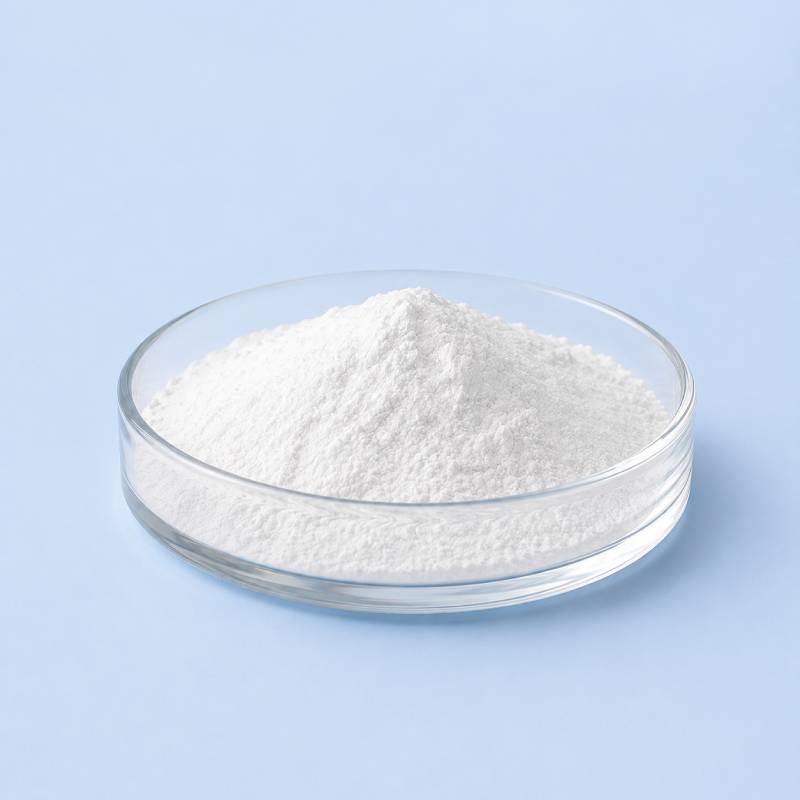
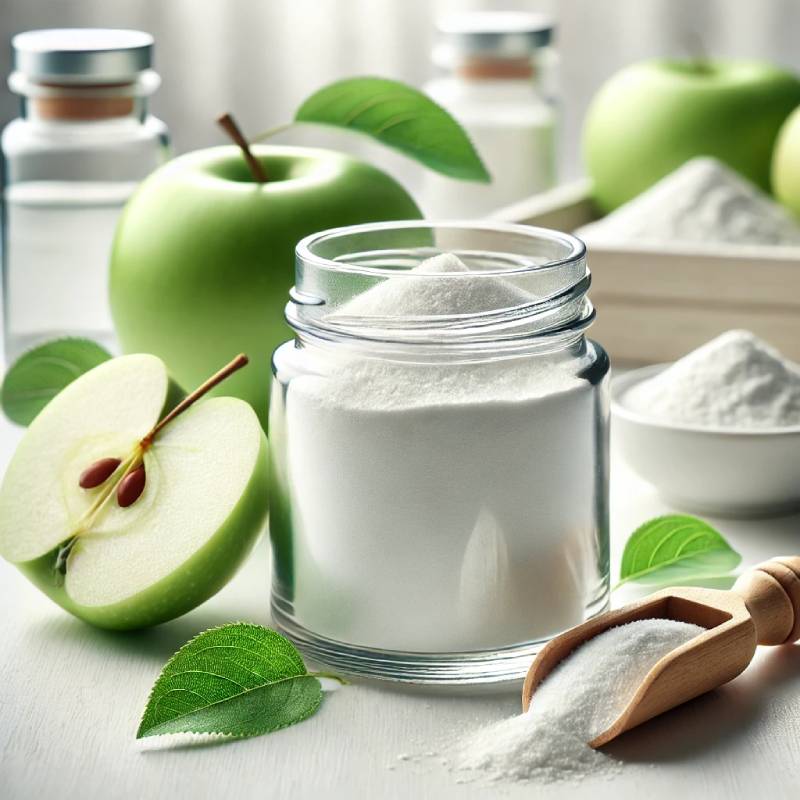
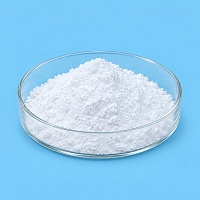
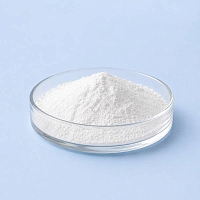
Malic acid is a naturally occurring hydroxy acid valued across a surprisingly wide range of industries for its mild acidity and pleasant fruity character. It belongs to the section Acids, Salts, Alcohols, and Alkalis, which gathers materials used to adjust pH, trigger chemical reactions, and stabilize formulations across manufacturing sectors. The largest global demand for malic acid comes from the food and beverage industry, where it functions as an acidity regulator and natural preservative in soft drinks, candies, jams, wines, and confectionery, contributing a rounded tart flavor that is gentler than citric acid.
The second major application area is skincare, where malic acid serves as an alpha-hydroxy acid for gentle exfoliation in toners, peels, and serums. Being milder than glycolic or lactic acid, it suits formulations aimed at moderate resurfacing without excessive irritation. It pairs well with Pantothenic Acid, which supports skin barrier recovery after acid-based treatments and helps reduce post-exfoliation sensitivity.
In household chemistry, malic acid is used in descaling agents, dishwasher and laundry cleaning tablets, and antiscale formulas, dissolving mineral deposits without leaving a harsh chemical odor. Such formulas are sometimes enhanced with Borax 10-hydrate, which stabilizes alkalinity and improves overall cleaning performance on hard water residues. In flavor and fragrance work, malic acid is often blended with volatile short-chain acids such as Caproic Acid to build complex fruity or cheesy accords in food flavorings and perfume compositions.
The pharmaceutical industry relies on malic acid as an excipient in effervescent tablets and syrups to adjust taste and improve formulation stability, while agricultural applications include acidifying nutrient solutions and animal feed supplements.
Recommended dosage depends on the intended use: skincare toners and peels typically use 2 to 8 grams per 100 grams of base, food products use 0.1 to 1 gram per 100 grams of finished item, and cleaning solutions use 3 to 10 grams per liter of working solution. The acid should be introduced at the final stage of preparation, into a cold or slightly warmed phase around 30-40 degrees Celsius, to prevent premature breakdown of active compounds under high heat. Store the product in a dry place away from direct light, in a tightly sealed container, since the acid is hygroscopic and can clump when exposed to humid air.
The 500 gram package suits small production studios and limited batch manufacturing, ideal for skincare brands producing peels and toners in controlled series, as well as workshops preparing food or household formulations at a small commercial scale without risking spoilage of unused stock.
Fruit-tart effervescent bath fizzer
Baking soda 200 g
Citric acid free base 60 g
Malic acid 40 g
Cornstarch 50 g
Carrier oil 20 ml
Fragrance oil 5 ml
Mix baking soda, malic acid, and cornstarch thoroughly in a dry bowl, then slowly combine carrier oil with fragrance oil in a separate container and sprinkle it over the dry mixture while stirring quickly to prevent premature fizzing, pressing the resulting damp mixture firmly into molds and letting it dry for 24 hours before unmolding and storing in an airtight container.