What Makes Arbutin a Reliable Choice for Even-Toned Skin Formulas
Arbutin is a naturally derived compound obtained from bearberry leaves, cranberry, pear and several other plants. In cosmetic manufacturing this ingredient is valued for its ability to gently inhibit tyrosinase activity, the enzyme responsible for triggering melanin production within skin cells. Thanks to this mechanism, arbutin has become one of the foundational actives used in formulations aimed at evening out skin tone, fading post-blemish marks and reducing signs of age-related hyperpigmentation.
The primary application of arbutin lies in the production of skincare products such as serums, creams, emulsions, toners and hand masks. This ingredient belongs to the Depigmentation and Skin Lightening section, which brings together actives used for building brightening and tone-correcting formulas. Beyond cosmetics, purified arbutin forms are also used in the pharmaceutical sector for topical dermatological preparations, as well as in professional product lines supplied to skincare clinics and beauty studios.
Arbutin is offered alongside other options in cosmetic actives, including smaller sizes like Arbutin 2 g. Manufacturers can find related items such as Vitaplex vitamin complex 100 g for complementary use. Bulk purchases are supported through wholesale cosmetic peptides.
Arbutin pairs well with other depigmenting ingredients, boosting the overall effect of a formula through complementary mechanisms of action. It is frequently combined with Tannic Acid, known for its astringent and antioxidant properties, and with the Chromocare complex, which reduces pigment synthesis through several simultaneous pathways. Another interesting pairing is with Sepiwhite MSH, which blocks receptors responsible for melanin production, delivering a more comprehensive result with consistent use.
In typical formulations arbutin is used at a concentration of roughly one to three percent of the total batch weight. It is added to the water phase during the final stage of formulation, at a temperature no higher than forty to forty-five degrees Celsius, to avoid degrading the active compound through excessive heat. The ingredient dissolves readily in water or water-glycerin blends, making it convenient to introduce once the main emulsion has cooled, right before adjusting to the final volume. Arbutin should be stored in a dry, cool place, in tightly sealed packaging, protected from direct light and moisture to preserve its stability throughout its shelf life.
The hundred-gram package size suits small-batch and studio production, where formulators need to test a recipe before scaling up, as well as laboratories preparing trial runs before launching a permanent product line. This quantity is enough for dozens of experimental batches or a limited run of brightening products.
Brightening Facial Serum with Arbutin
Distilled water 65 g
Glycerin 6 g
Emulsifying wax 5 g
Squalane oil 8 g
Arbutin 3 g
Panthenol 2 g
Preservative 1 g
Dissolve
glycerin in the water phase and heat the mixture to forty-five degrees Celsius
over a water bath. Separately melt the emulsifying wax with squalane oil to a
smooth consistency at the same temperature. Combine both phases and blend
thoroughly until a light emulsion forms, then cool to thirty-five degrees
Celsius. Once cooled, add arbutin, panthenol and the preservative, stirring
until fully dissolved. Transfer the finished serum into a dark glass bottle and
store it in a cool place away from direct sunlight.
FAQ
What form does Arbutin come in?
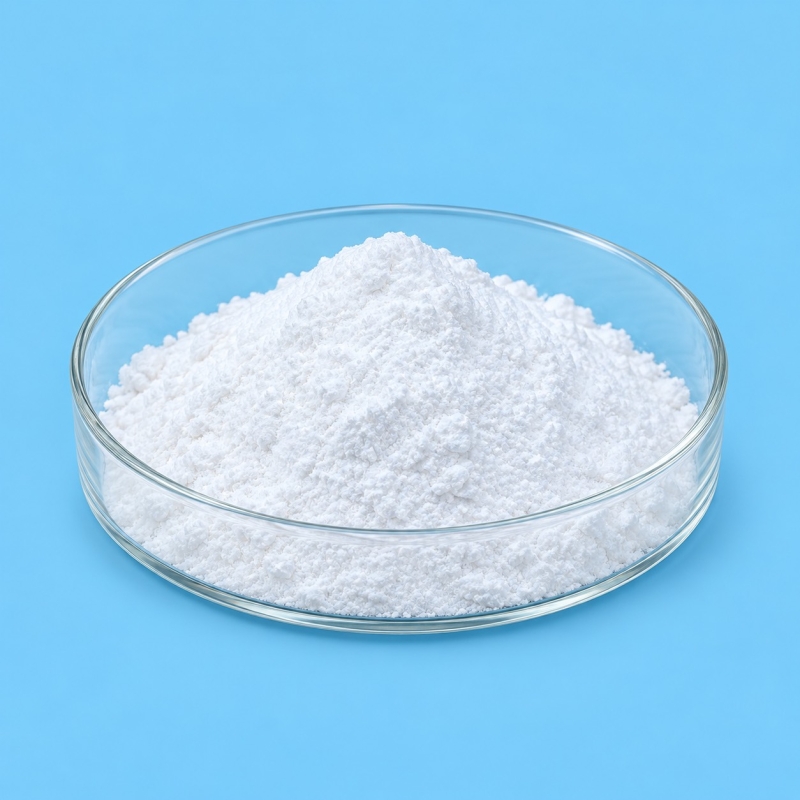
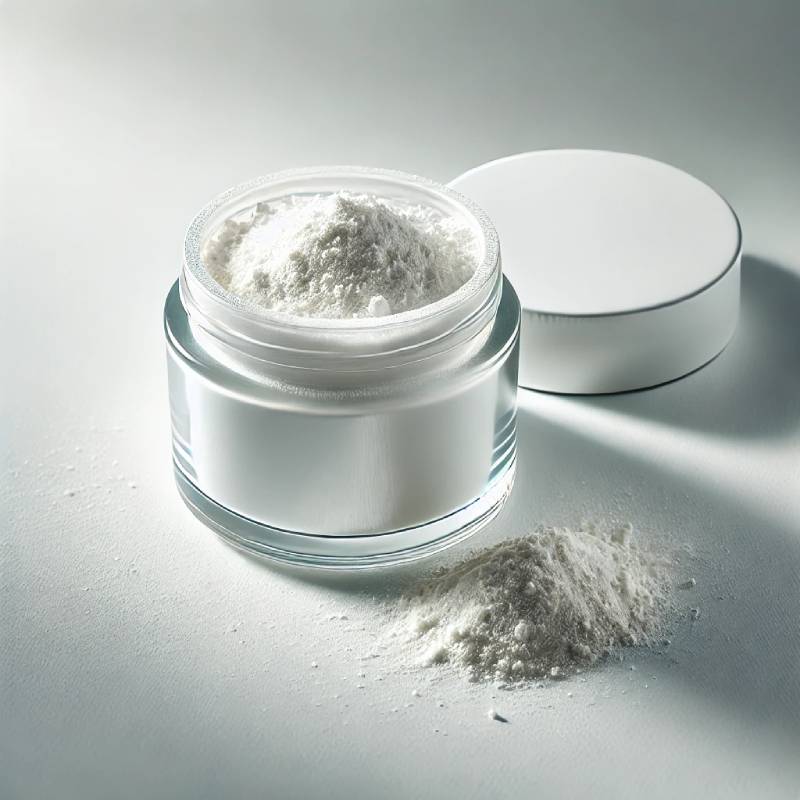
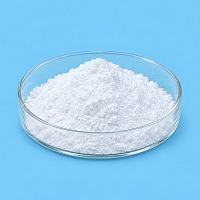
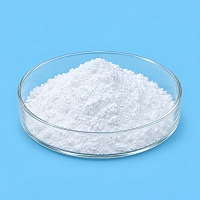
Arbutin 100 g appears as a fine crystalline powder.
How soluble is Arbutin?
It dissolves in warm water at a ratio of 1:10.
What dosage range is recommended for Arbutin?
Use from 0.2% to 1%, and in rare cases up to 2%.
How should Arbutin be stored?
Store in a dry cool place in closed packaging; caking of the powder is allowed and does not affect its properties.