Why this plant-derived brightening active is a staple in modern skincare formulation
Arbutin is a naturally occurring active extracted from bearberry leaves and several other plants, valued for its gentle yet effective way of reducing excess melanin production. It works by inhibiting the enzyme tyrosinase, which drives pigment formation in the skin, making it a reliable choice for addressing dark spots, post-blemish marks and age-related pigmentation over time. This item belongs to the Depigmentation and Skin Lightening category, home to actives designed for tone-evening and brightening formulas. The 2 gram size is aimed at home formulators and small trial batches, letting you fine-tune the concentration before scaling up to larger production runs.
The strongest global demand for arbutin comes from the skincare industry, where it appears in serums, face and body creams, toners and brightening masks. It is widely used to target hyperpigmentation, melasma, sun spots and uneven tone left after skin inflammation, and it remains especially popular in Asian cosmetic markets, where brightening formulas dominate a significant share of the category, as well as in Western anti-photoaging lines. Beyond finished skincare, arbutin occasionally finds its way into experimental formulations developed by small labs and independent formulators working with limited volumes.
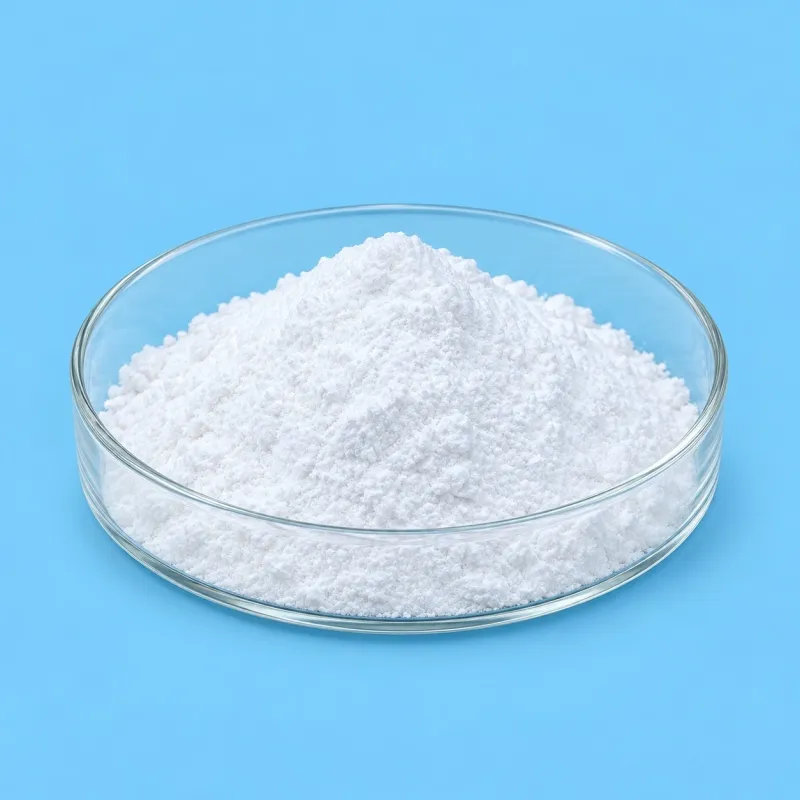
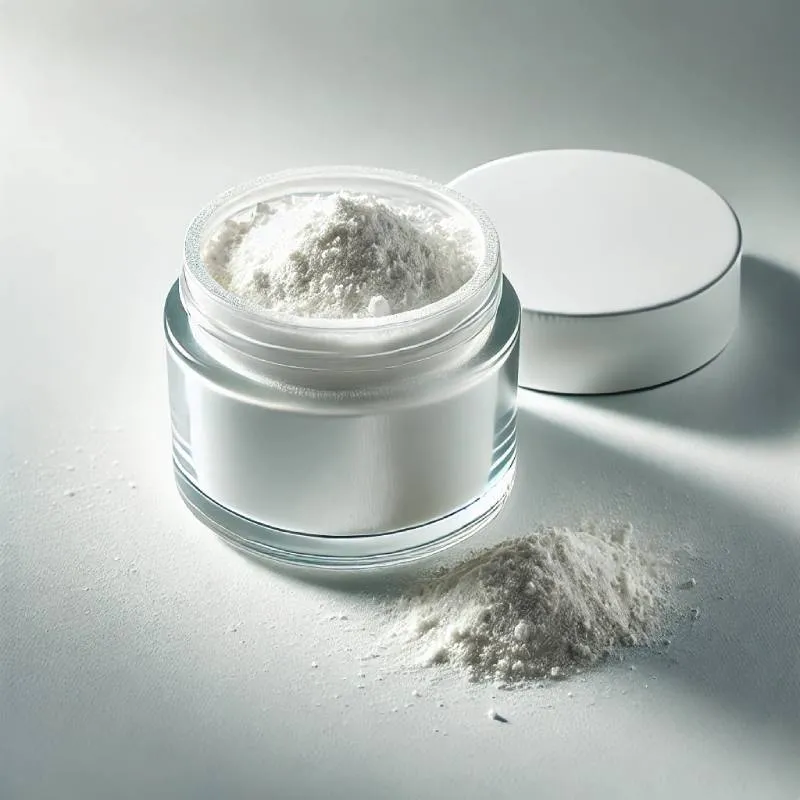
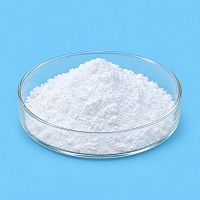
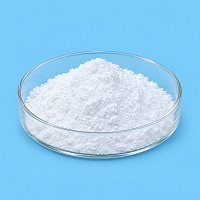
Arbutin comes as a fine crystalline powder that dissolves readily in warm water for easy incorporation into water-phase formulas. See related options in the cosmetic peptides section or browse the full cosmetic actives catalog. Larger packs are available as Arbutin 100 g, while similar actives include Neodermyl 5 g.
A typical usage rate ranges from 1 to 3 percent of the total formula weight, and the active is best added to the water phase during the cool-down stage, at temperatures not exceeding 40 degrees, to prevent thermal degradation. Arbutin performs well in slightly acidic pH ranges typical of most leave-on skincare products. To boost the brightening outcome, formulators often pair it with other lightening actives such as Alpha-Arbutin, which is generally recognized as a more potent variant working through the same mechanism, or the enzymatic complex Tyrostat 9, which similarly suppresses tyrosinase activity, and the multi-component Eurol WHT Complex, which broadens the brightening effect through a combined approach.
Store arbutin in a dry, cool place away from direct sunlight and moisture, in a tightly sealed container to preserve its activity for the full shelf life. Avoid combining it with strong oxidizing agents and prolonged exposure to heat above the recommended threshold, since this reduces its effectiveness. The small pack size makes it convenient for home formulators and small studios looking to test a working concentration before committing to a larger production batch.
Brightening face lotion
Arbutin 2 g
Distilled water 75 ml
Vegetable glycerin 5 ml
Niacinamide solution 8 ml
Xanthan gum 0.3 g
Broad spectrum preservative 1 ml
Dissolve the arbutin in warm water at around 35 degrees, stirring thoroughly until fully dissolved. Sprinkle in the xanthan gum gradually while whisking to avoid clumps, then blend in the glycerin and niacinamide solution until the texture turns smooth. Add the preservative last, pour the finished lotion into a dark glass bottle, and let it rest for 24 hours before first use to allow the texture to settle.
FAQ
What form does Arbutin 2 g take?
It is supplied as a fine crystalline powder.
In what conditions does Arbutin dissolve?
It dissolves in warm water at a 1:10 ratio.
What dosage range is suggested for Arbutin?
Recommended usage is from 0.2% to 1%, and up to 2% in certain active serums and masks.
How should Arbutin 2 g be stored?
Keep it in a dry cool place inside a closed package; caking of the powder may occur but does not affect its properties.