A Botanical Actives for Tyrosinase-Focused Brightening Formulas
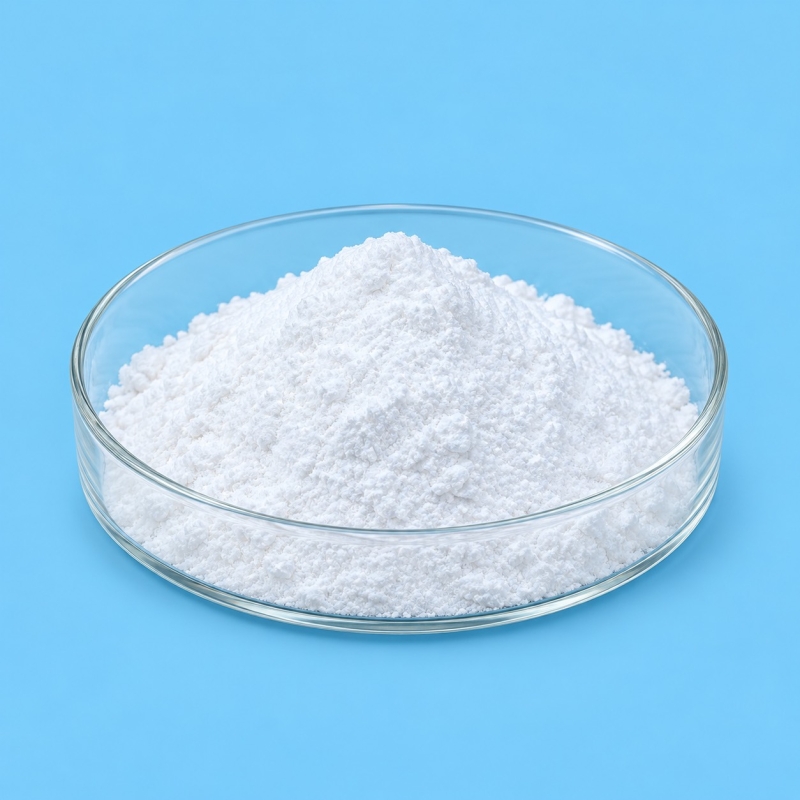
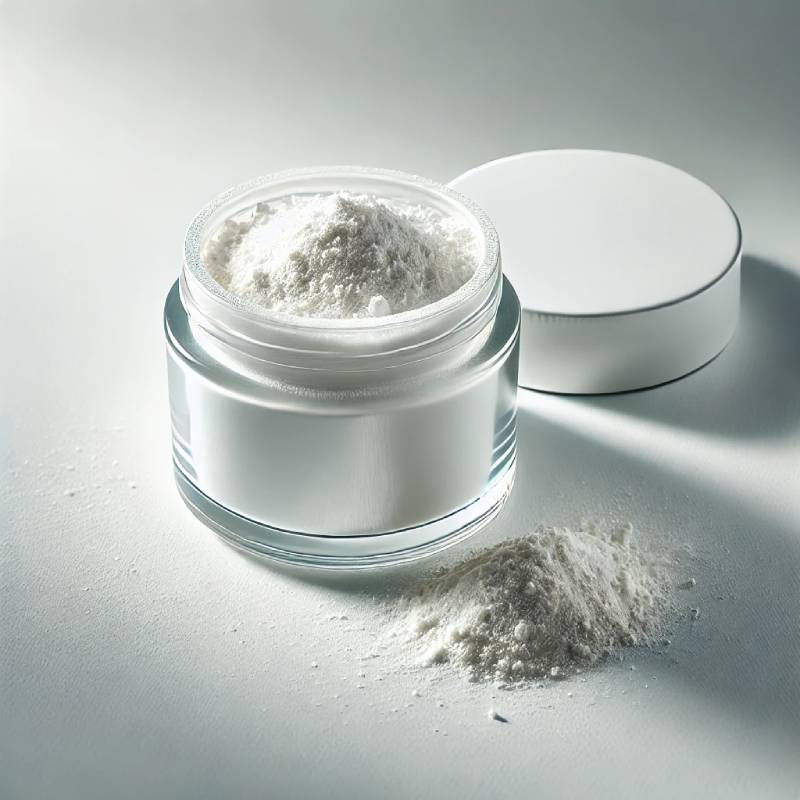
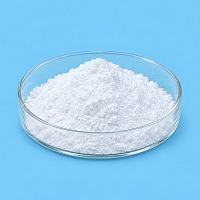
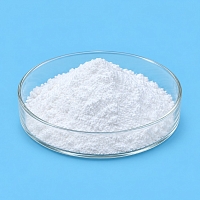
Arbutin is a naturally derived phenolic compound extracted from bearberry leaves, pear, mulberry and certain cranberry species, widely used across the cosmetic industry for correcting hyperpigmentation, post-blemish marks and uneven skin tone. This raw material belongs to the Depigmentation and Skin Lightening category, which brings together actives designed to address various types of pigment irregularities. The 500 g pack size is aimed at small-batch and studio manufacturers, contract labs and emerging cosmetic brands that need a reliable working stock without frequent reordering.
The functional mechanism relies on inhibiting tyrosinase, the enzyme responsible for triggering melanin synthesis inside melanocytes. Consistent use of formulations containing this ingredient helps even out skin tone, reduce the visible intensity of age spots and pigment patches, and limit the formation of new dark areas after sun exposure. Because of this mode of action, the material is a common choice for serums, creams, emulsions, lotions and targeted spot correctors, as well as for professional formulations used in dermatology clinics and aesthetic practices.
Formulators scaling production often source this material together with wholesale cosmetic peptides to build complete brightening lines. The same active is available in the compact Arbutin, 2 g size for initial trials, while Progeline, 100 ml is frequently combined in the same water phase for added firmness support.
During manufacturing, the ingredient is typically added to the water phase during the cool-down stage, at temperatures not exceeding 40 degrees Celsius, to prevent thermal degradation of the active molecule. Usage levels in finished formulas generally range from 1 to 3 percent, with some concentrated serums allowing up to 5 percent provided the overall formula remains stable. The compound is sensitive to strong oxidizers and abrupt pH shifts, so slightly acidic to neutral formulations work best. Store the raw material in a dry, cool, dark place, tightly sealed, away from moisture and direct sunlight to preserve potency over time.
For enhanced and prolonged brightening results, formulators often pair this ingredient with complementary actives. A notable synergy exists with PteroWhite 90%, which further suppresses pigment production, and with LPA, recognized for its stabilizing role within brightening systems. For a broader antioxidant effect and support for skin's microcirculation, many formulators also incorporate Alpha glucosyl hesperidin AGG into the same batch. Beyond skincare and decorative cosmetics, this compound is also applied in pharmaceutical development for dermatological products, and occasionally in food-grade antioxidant supplements due to its documented radical-scavenging properties.
When scaling from lab trial to production batch, compatibility with common emulsifiers and thickeners should be considered: the ingredient dissolves readily in the aqueous phase and requires no specialized dispersing equipment, which simplifies moving a formula from a small test sample toward a full production run.
Even-Tone Night Serum
Distilled water - 75 g
Arbutin - 3 g
Glycerin - 5 g
Xanthan gum - 1 g
Panthenol - 2 g
Broad-spectrum preservative - 1 g
Combine
water and glycerin in a clean container and sprinkle in the xanthan gum
gradually while stirring, allowing it to fully hydrate into a smooth, lump-free
gel. Once the gel has thickened, blend in the arbutin, panthenol and
preservative until completely dissolved and evenly distributed. Transfer the
finished serum into pump bottles and let it rest for a few hours to allow the
texture to settle before packaging or use.
FAQ
What is the form and solubility of this Arbutin?
It is a fine crystalline powder that dissolves in warm water at a 1:10 ratio.
What dosage range is recommended for formulas?
Dosage ranges from 0.2% to 1%, and up to 2% in rare cases.
How should Arbutin 500 g be stored?
Store in a dry cool place in closed packaging; caking of the powder may occur but does not affect its properties.
Is the 500 g pack suitable for wholesale production?
Yes, the pack size targets small-batch and studio manufacturers needing a reliable working stock.