-
 Absolutes
-
 Active Complexes
-
 Actives & Peptides
-
 Amino Acids & Proteins
-
 Food Flavors
-
 Ayurvedic Ingredients & Herbs
-
 Vitamins & Coenzymes
-
 Chocolate Making Supplies
-
 Thickeners & Gelling Agents
-
 Hydrosols & Floral Waters
-
 Hydrolyzed Proteins
-
 Fragrance Ingredients
-
 Nutraceutical Ingredients
-
 Acids, Salts, Alcohols & Alkalis
-
 Preservatives & Antioxidants
-
 Cosmetic Ingredients
-
 Colorants, Micas & Glitters
-
 Masks, Scrubs & Botanicals
-
 Oils & Butters
-
 Candle Making Supplies
-
 Melt and Pour Soap Bases
-
 Cream, Lotion & Hair Care Bases
-
 Fragrance Oils & Industrial Aromatics
-
 Cleansing Agents & Surfactants
-
 Peeling Actives & Acids
-
 Cosmetic Powders
-
 Solvents & Humectants
-
 Silicones & Conditioning Agents
-
 Bottles, Jars & Vials
-
 Silicone & Plastic Molds, Tools
-
 Botanical Extracts
-
 Cosmetic Emollients
-
 Emulsifiers
-
 Essential Oils
- Ingredients for Bath Bomb and Fizzer 218
- Soap Bouquet Crafting Materials 521
- Slime Supplies: Ingredients and Additives 560
- Shampoo ingredients 393
- DIY Perfume Supplies 986
- Deodorant Components 90
- Cold process soap ingredients 96
- Components for lipstick, balm, lip gloss 371
- Sun protection components 253
- Components for washing powder 62
- Bath products 88
- Ingredients for cleaning products 71
- Ingredients for Alginate Masks 36
- Shampoo Ingredients Wholesale 501
- DIY Perfume Supplies Wholesale 1050
- Chocolate Ingredients Wholesale 71
- Components for washing powder Wholesale 64


Ingredients for Bath Bomb and Fizzer

 Add to cart
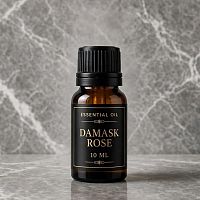


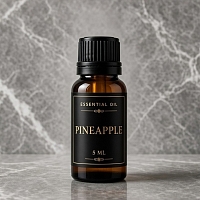


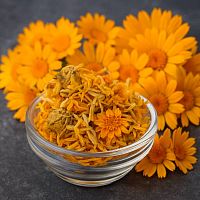



Building blocks for fizzing and effervescent bath formulas
This section brings together the core raw materials used to build effervescent bath products: citric acid, sodium bicarbonate, binding agents, surfactant powders, colorants, cosmetic glitters and mica, fragrance carriers and finishing dusts. Formulators can source each component separately to control ratios, texture and fizz intensity in their own recipes.
These ingredients extend well beyond a single molded shape. The same citric acid and bicarbonate blends are used in effervescent bath salts, foot soak tablets, shower steamers and powder-to-foam bath products, while the colorants and mica pigments in this range are shared with body scrubs, bath truffles and other water-dispersible formulas. Producers working across categories often pair this range with chocolate ingredients wholesale for edible-look cosmetic novelties or cross-reference texture behavior with our separate line of cold process soap ingredients when developing multi-product skincare ranges.
Batch sizes here range from small test runs for independent formulators to bulk volumes for production lines, with consistent particle size and purity across lots.
Powder Bases, Colorants and Finishing Touches
Within this range, the raw materials split into distinct functional groups rather than one uniform mix. Citric acid and sodium bicarbonate form the reactive core, while binding agents control how firmly a mixture holds together before it meets water. Surfactant powders add the foaming or dispersing behavior seen in fizzing bath products, and colorants, cosmetic glitters and mica pigments handle the visual layer, from subtle shimmer to solid color blocks. Finishing dusts are typically added last, giving a dry outer coating or a final scent boost without altering the core reaction.
Fragrance carriers deserve a separate mention, since they behave differently from straight essential oils. A formulator layering scent into a fizzing base often reaches for something like Grapefruit Essential Oil or Lemongrass Essential Oil for a brighter top note, while heavier, warmer profiles come from oils such as Rosewood Essential Oil. For producers building a full fragrance program rather than a single batch, our separate DIY Perfume Supplies range covers carrier and base options in more depth.
Choosing Components and Building a Formula
Selecting the right combination starts with the intended texture and finish. A binder-heavy formula suits dense molded shapes, while a lighter powder blend works better for loose salts or soak sachets. Surfactant strength should match the desired foam volume, and mica or glitter particle size affects both visual sparkle and how the product disperses in water, an important detail for anyone formulating body scrubs or bath truffles alongside fizzing items.
Fruit and botanical essential oils extend the sensory range well beyond a single fragrance style. Tropical notes such as Mango Essential Oil, Pineapple Essential Oil, Mangosteen Essential Oil and Noni Essential Oil pair naturally with lighter, fruit-forward color schemes, while Moringa Essential Oil is often chosen for its texture-supporting properties in richer blends. Mineral additions such as Dead Sea Salt are frequently combined with fizzing bases to add mineral content and a coarser tactile finish, and a mechanical exfoliant like Grape Seed Scrub can round out a bath-care line built around the same core ingredients. For controlling excess foam during production runs, Alcohol 100 ml is a practical addition to keep on hand.
Origins and Storage
Raw materials in this category are sourced from China, Israel, Germany and Ukraine, giving formulators a choice between cost-driven bulk options and higher-specification inputs depending on the production line. Powders and reactive components should be kept in sealed, moisture-free containers, since even small amounts of humidity can trigger early reaction in citric acid and bicarbonate blends. Colorants and mica should be stored away from direct light to preserve shade consistency across batches, and fragrance oils keep their profile longest in tightly closed, cool storage.
FAQ
What ingredients are needed to make a bath product fizz
Fizzing comes from the reaction between citric acid and sodium bicarbonate once the mixture contacts water. Binding agents help hold the shape during production, while surfactant powders, colorants and fragrance carriers are added separately to build texture, color and scent into the finished formula.
What is the difference between citric acid and sodium bicarbonate grades used here
Particle size and purity vary between lots and affect how fast a formula dissolves and fizzes. Finer powders blend more evenly with pigments and fragrance carriers, while coarser grades are often chosen for slower dissolving or denser molded shapes.
Can these components be used for products other than molded bath bombs
Yes. The same citric acid, bicarbonate blends, mica and colorants are formulated into effervescent bath salts, foot soak tablets, shower steamers and powder-to-foam products, since the fizzing chemistry and pigment behavior work the same way across these formats.
How should fizzing raw materials be stored to keep them working properly
Keep citric acid and bicarbonate powders sealed and away from moisture, since even small amounts of humidity can trigger a premature reaction and weaken the fizz. Store colorants and mica separately from reactive powders to avoid clumping and color transfer.
Do the mica and glitter ingredients work in water based cosmetic formulas
Mica pigments and cosmetic glitters in this range are chosen for water dispersibility, making them suitable for effervescent formulas as well as body scrubs, bath truffles and other rinse off products where even color distribution matters.
Recommendations
When choosing a specific batch of citric acid, bicarbonate or binding powder, match the particle size and purity to your target fizz speed and texture, and request a small test sample before committing to a larger volume, since even minor grade differences change how a formula performs once molded. Pair colorants and mica by dispersibility rather than shade alone if your recipe is water activated. For formulators moving between product lines, our cold process soap ingredients section covers related texture agents worth cross checking. Reach out by email with your target formula and batch size, and we will help match the right combination of raw materials for your production run.



