Why Sodium Bicarbonate Belongs in Every Kitchen, Workshop and Small Production Line
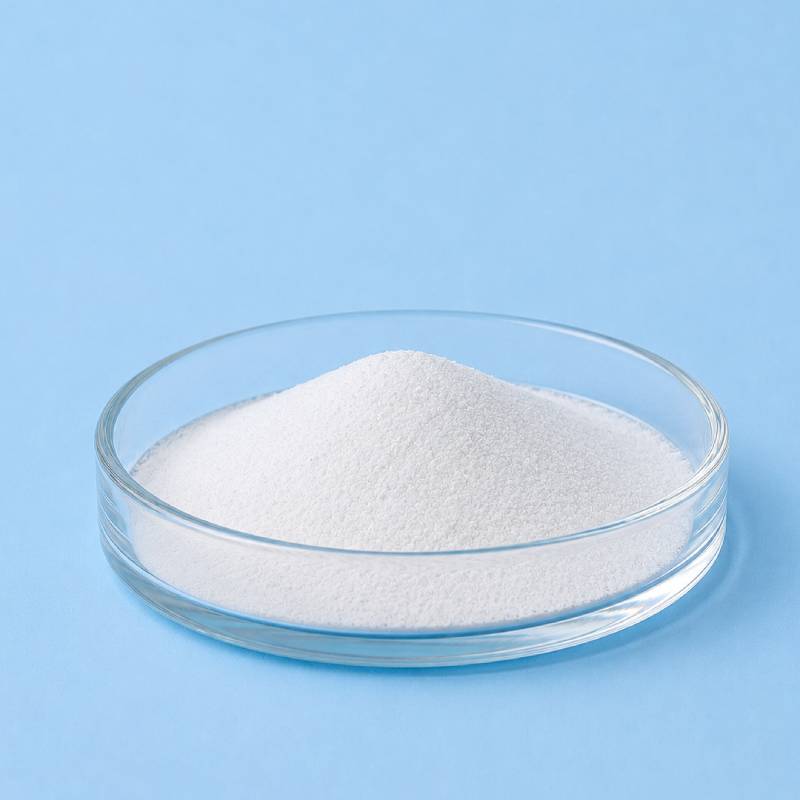
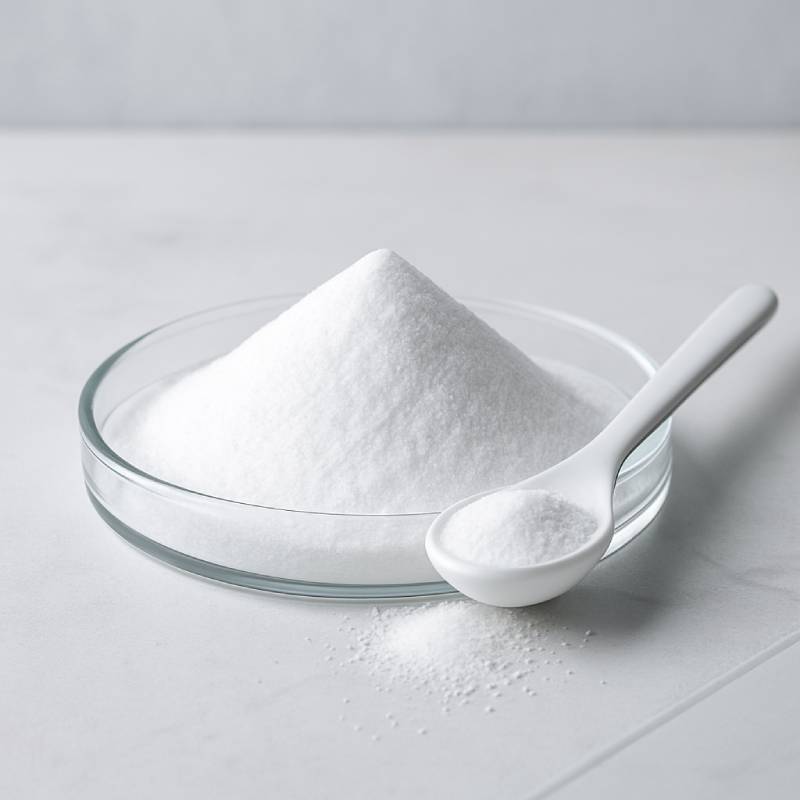
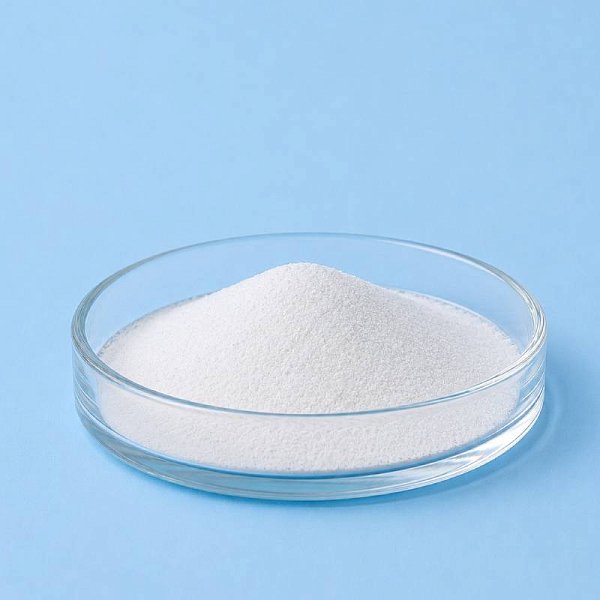
Baking soda has long outgrown its reputation as a simple leavening agent and is now one of the most widely searched and used technical compounds in the world, spanning food production, household cleaning, personal care manufacturing, water treatment and even fire suppression powders. A 500 gram pack is a practical choice for home bakers, small pastry workshops, cosmetic studios and craft producers who need a reliable steady supply without overordering. This item belongs to the Acids, Salts, Alcohols, and Alkalis section, which brings together core reagents for pH adjustment, neutralization and working solution preparation.
In food production, sodium bicarbonate remains the standard leavening agent for bread, pastries, cookies and waffles, and it also serves as an acidity regulator in beverages and dairy products. Around the house it is a go to solution for scrubbing dishes, tiles and ovens, deodorizing refrigerators and footwear, and softening water during laundry. In personal care manufacturing, baking soda appears in toothpaste, body scrubs, deodorants and bath soaks, gently exfoliating skin and neutralizing sweat related odors. On an industrial scale it is used to neutralize acidic waste streams, adjust pH in swimming pools and water treatment systems, and as a key component of dry chemical fire extinguisher powders.
Sodium bicarbonate blends well with other mineral salts used in formulation work. In buffering and cleaning blends it is frequently paired with Sodium Phosphate, which further softens water and boosts the cleaning power of the final mixture. For bath products and body scrubs, formulators often combine baking soda with Sodium Chloride, producing simple yet effective soaking and exfoliating blends. In more complex nutritional or functional formulas, sodium bicarbonate can be used alongside amino acids such as L lysine when a recipe requires both acidity correction and amino acid enrichment.
For baking, sodium bicarbonate is typically added to the dry ingredients during mixing, at roughly 3 to 5 grams per 500 grams of flour, and does not require pre-neutralizing if the recipe already contains an acidic ingredient like buttermilk or honey. For cleaning pastes, mix the powder with water right before use to form a thick paste, and for deodorizing purposes simply place an open container of powder in the affected space for several hours. Store the product in a dry, tightly sealed container away from direct sunlight and moisture, since it is hygroscopic and can clump when exposed to humid air.
Soothing Foot Soak with Baking Soda
Baking soda 40 g
Warm water 2000 ml
Epsom salt 60 g
Lavender essential oil 5 drops
Dissolve
the baking soda and Epsom salt in warm water in a basin large enough for your
feet, stirring until fully dissolved, then add the lavender essential oil and
mix once more. Soak feet in the solution for 15 to 20 minutes, allowing the
warm mineral water to soften rough skin and refresh tired feet, then rinse with
clean water and pat dry.