-
 Absolutes
-
 Active Complexes
-
 Actives & Peptides
-
 Amino Acids & Proteins
-
 Food Flavors
-
 Ayurvedic Ingredients & Herbs
-
 Vitamins & Coenzymes
-
 Chocolate Making Supplies
-
 Thickeners & Gelling Agents
-
 Hydrosols & Floral Waters
-
 Hydrolyzed Proteins
-
 Fragrance Ingredients
-
 Nutraceutical Ingredients
-
 Acids, Salts, Alcohols & Alkalis
-
 Preservatives & Antioxidants
-
 Cosmetic Ingredients
-
 Colorants, Micas & Glitters
-
 Masks, Scrubs & Botanicals
-
 Oils & Butters
-
 Candle Making Supplies
-
 Melt and Pour Soap Bases
-
 Cream, Lotion & Hair Care Bases
-
 Fragrance Oils & Industrial Aromatics
-
 Cleansing Agents & Surfactants
-
 Peeling Actives & Acids
-
 Cosmetic Powders
-
 Solvents & Humectants
-
 Silicones & Conditioning Agents
-
 Bottles, Jars & Vials
-
 Silicone & Plastic Molds, Tools
-
 Botanical Extracts
-
 Cosmetic Emollients
-
 Emulsifiers
-
 Essential Oils
- Ingredients for Bath Bomb and Fizzer 218
- Soap Bouquet Crafting Materials 521
- Slime Supplies: Ingredients and Additives 560
- Shampoo ingredients 393
- DIY Perfume Supplies 986
- Deodorant Components 90
- Cold process soap ingredients 96
- Components for lipstick, balm, lip gloss 371
- Sun protection components 253
- Components for washing powder 62
- Bath products 88
- Ingredients for cleaning products 71
- Ingredients for Alginate Masks 36
- Shampoo Ingredients Wholesale 501
- DIY Perfume Supplies Wholesale 1050
- Chocolate Ingredients Wholesale 71
- Components for washing powder Wholesale 64


DIY Perfume Supplies Wholesale
 Add to cart
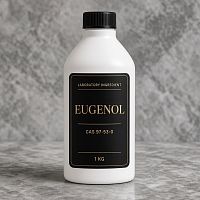
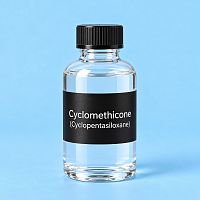


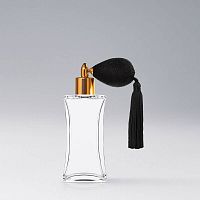


Raw materials for building custom scent formulas
This section brings together the raw components used to build scent formulas from scratch: fragrance concentrates, aroma oils, alcohol and oil-based carriers, fixatives, and small measuring and blending tools. Home formulators and production workshops use these materials to layer top, heart, and base notes into a stable, wearable composition rather than relying on a single pre-mixed scent.
The same aroma concentrates and carriers move well beyond finished fragrance mists. They get diluted into body and hair oils, blended into lotion and cream bases, used to scent solid balms, or added to home fragrance formats like reed diffusers and spray air fresheners. Because the compounds are concentrated, small amounts go a long way across very different product types, from personal care to interior scenting.
Formulators often pull complementary texture and color components from other sections to round out a project, such as the mineral additives listed under ingredients for bath bomb and fizzer production or the flavor and aroma bases found among chocolate ingredients wholesale for edible and confectionery style projects.
Concentrate types and how they differ
Within this group, the building blocks fall into a few distinct roles. Fragrance oils sold under recognizable names, such as Fragrance Oil Manifesto, YSL, 100 ml, Chance Eau Fraiche CHANEL Fragrance Oil 100 ml, or Fragrance Oil Boss nuit, HUGO BOSS, 100 ml, act as ready reference profiles that formulators dilute and rework rather than dose at full strength.
Alongside them sit single-note flavor and aroma concentrates like Flavor LEMON 702, 1 L, which behave more like a raw citrus top note than a finished blend, and isolated fixative compounds such as Coumarin 1 kg, prized for anchoring lighter notes and slowing their evaporation in a finished mix.
Choosing components and building a working blend
Selection usually starts with the role a material needs to play: a top note that reads immediately, a heart note that carries body, or a base note that keeps the whole structure from fading within an hour. Concentration strength matters just as much as scent character, since a heavily concentrated oil can overwhelm a lotion base or a home diffuser blend if dosed the way a lighter aroma oil would be.
Fixative materials like coumarin are rarely used alone. They are blended in small fractions alongside citrus or floral concentrates to stretch longevity across oil-based carriers, alcohol sprays, or cream and balm formulas, which is why the same jar can serve a personal fragrance project one week and a scented body oil the next.
Origins, packaging, and storage
Materials in this group are sourced from Ukraine, France, Poland, Turkey, and Spain, reflecting a mix of local blending and imported concentrates common to fragrance formulation. Finished blends are typically decanted into small glass bottles for dosing and testing, including options like the Bottle Tower spray pear I, 20 ml from 10 pcs and the Onyx bottle 20 ml 10 pcs, both practical for sampling a new blend before scaling it up.
Concentrates and fixatives keep best in tightly closed containers, away from direct light and heat, since both factors accelerate the breakdown of top notes and shift the balance of a carefully built blend over time. For formulators working across categories, ingredients from the Cold process soap ingredients section often share the same storage logic, since both groups depend on consistent, cool conditions to hold their intended profile until use.
FAQ
What is the difference between a fragrance concentrate and a ready diluted fragrance oil
A concentrate is the undiluted aromatic compound, meant to be measured out and blended into a carrier before use. A ready diluted oil already contains a carrier and is meant for lighter, more casual use where precise dosing matters less.
How much fragrance concentrate should be used per project
Usage rates vary widely by compound strength and the base being scented, often ranging from under one percent in leave-on skin formulas to several percent in reed diffuser or air freshener bases. Small test batches help confirm the right level before scaling up a formula.
Can the same aroma concentrate be used in both skin and hair formulas
Yes, most concentrates listed here are formulated to sit in oil, alcohol, or emulsion carriers, which makes them adaptable across body oils, hair oils, lotions, balms, and similar leave-on or rinse-off formats without needing a separate product line.
How should fragrance concentrates and fixatives be stored
Keep concentrates and fixatives tightly sealed, away from direct light and heat, ideally in glass or compatible containers since some compounds interact with certain plastics over time. Proper storage helps preserve the top and base notes from drifting before the material is used.
Recommendations
Choosing the right concentrate or fixative usually comes down to matching its strength and carrier compatibility to the base you are formulating, whether that is an oil, an alcohol blend, or an emulsion. Start with a small trial batch to confirm how the scent develops over time before committing to a larger volume. Our team is reachable by email to help match a specific compound or batch to your project and confirm current availability.