-
 Absolutes
-
 Active Complexes
-
 Actives & Peptides
-
 Amino Acids & Proteins
-
 Food Flavors
-
 Ayurvedic Ingredients & Herbs
-
 Vitamins & Coenzymes
-
 Chocolate Making Supplies
-
 Thickeners & Gelling Agents
-
 Hydrosols & Floral Waters
-
 Hydrolyzed Proteins
-
 Fragrance Ingredients
-
 Nutraceutical Ingredients
-
 Acids, Salts, Alcohols & Alkalis
-
 Preservatives & Antioxidants
-
 Cosmetic Ingredients
-
 Colorants, Micas & Glitters
-
 Masks, Scrubs & Botanicals
-
 Oils & Butters
-
 Candle Making Supplies
-
 Melt and Pour Soap Bases
-
 Cream, Lotion & Hair Care Bases
-
 Fragrance Oils & Industrial Aromatics
-
 Cleansing Agents & Surfactants
-
 Peeling Actives & Acids
-
 Cosmetic Powders
-
 Solvents & Humectants
-
 Silicones & Conditioning Agents
-
 Bottles, Jars & Vials
-
 Silicone & Plastic Molds, Tools
-
 Botanical Extracts
-
 Cosmetic Emollients
-
 Emulsifiers
-
 Essential Oils


Candle making molds

 Subscribe


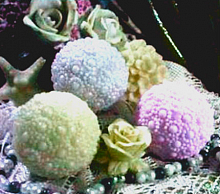


Silicone and rigid mold options for shaping wax
This section brings together molds used to shape melted wax into pillars, votives, tealights, and decorative figures. The range covers silicone molds prized for flexible release, along with rigid plastic and metal options suited to specific shapes and finishes. Buyers can pick forms by size, texture, and the level of surface detail a design requires.
These molds serve makers working at home as well as small production lines turning out finished candles for sale. A smooth cylindrical mold suits simple everyday pieces, while textured or sculpted molds create pieces with sharper detail for gifting or display. Many customers pair mold selection with other supplies from our candle making supplies range, and add depth to finished pieces using our candle fragrance oils during the pouring stage.
Mold choice also affects how easily wax releases once cooled, and how many pours a single mold can withstand before wear shows. Understanding these factors helps buyers match a mold to their production volume and desired finish.
Material types and how they differ
Silicone molds dominate the flexible category, prized for releasing intricate shapes without damaging fine details like petals, ridges, or geometric facets. Their stretch allows undercuts and sculpted forms that rigid materials cannot manage.
Rigid plastic molds suit straightforward pillar and votive shapes where a clean, uniform surface matters more than intricate texture. Metal molds, often used for classic taper or column forms, transfer heat differently than silicone and can produce a glossier finish on the finished piece. Each material also wears differently, with silicone typically tolerating more repeated pours before edges soften, while rigid options hold sharp lines longer if handled carefully.
Choosing a mold and building a recipe around it
Selecting a mold starts with the wax type and pour temperature planned for a batch, since some materials tolerate higher heat better than others without warping. Buyers working across multiple wax bases should check compatibility before committing to a shape, particularly when switching between soy, paraffin, or blended formulas covered in our candle making raw materials range.
Color and finish also factor into mold choice. A detailed sculpted mold shows off layered or marbled effects achieved with candle colorants far better than a plain cylinder would, since surface texture catches light differently across a design. For makers pouring into glass rather than freestanding shapes, our candle jars section covers container options that pair with a different pouring approach entirely, while loose format work often draws from our wax for loose candles selection instead of a fixed mold. Gel-based projects follow their own rules too, and buyers exploring that route should check our gel candle supplies before selecting a mold shape, since gel behaves differently during cooling than traditional wax.
Handling, storage, and finishing touches
Mold longevity depends heavily on cleaning method and storage between uses. Flexible silicone should be stored flat or gently supported to avoid permanent creases, while rigid molds need dry, dust-free conditions to keep surfaces clear before the next pour.
Precise release and demolding often benefit from having the right supporting tools on hand, from wick centering devices to trimming implements found in our candle making tools collection. Buyers new to shaping wax at scale can browse the full candle supplies catalog to see how molds fit alongside wax, wicks, and fragrance components in a complete production setup.
FAQ
What is the difference between silicone and rigid molds for wax
Silicone molds flex for easy release of detailed or undercut shapes and tolerate repeated pours, while rigid plastic or metal molds hold precise geometric forms and sharp edges better but may need a release agent. Choice depends on design complexity and production volume.
How many times can a wax mold be reused
Reuse depends on material and pour temperature. Quality silicone molds typically withstand dozens of pours before texture softens, while rigid molds can last longer if wax temperature and release technique are controlled carefully during each use.
What size mold works best for small batch production
Compact cylindrical or votive molds suit small batches and testing new designs, since they use less wax per pour and cool faster. Larger pillar or sculpted molds fit buyers scaling toward consistent finished pieces for sale.
Can the same mold be used with different wax types
Most silicone and rigid molds accept a range of wax types used in candle making, though pour temperature and cooling time should be adjusted per formula. Testing a small pour first helps confirm release and surface finish before a full batch.
Recommendations
Match mold material to your finish goal: silicone for intricate or textured designs, rigid options for crisp geometric shapes and higher-volume runs. Check size and detail level against your typical pour volume before ordering. Reach out by email to confirm availability and place an order tailored to your production needs.



