-
 Absolutes
-
 Active Complexes
-
 Actives & Peptides
-
 Amino Acids & Proteins
-
 Food Flavors
-
 Ayurvedic Ingredients & Herbs
-
 Vitamins & Coenzymes
-
 Chocolate Making Supplies
-
 Thickeners & Gelling Agents
-
 Hydrosols & Floral Waters
-
 Hydrolyzed Proteins
-
 Fragrance Ingredients
-
 Nutraceutical Ingredients
-
 Acids, Salts, Alcohols & Alkalis
-
 Preservatives & Antioxidants
-
 Cosmetic Ingredients
-
 Colorants, Micas & Glitters
-
 Masks, Scrubs & Botanicals
-
 Oils & Butters
-
 Candle Making Supplies
-
 Melt and Pour Soap Bases
-
 Cream, Lotion & Hair Care Bases
-
 Fragrance Oils & Industrial Aromatics
-
 Cleansing Agents & Surfactants
-
 Peeling Actives & Acids
-
 Cosmetic Powders
-
 Solvents & Humectants
-
 Silicones & Conditioning Agents
-
 Bottles, Jars & Vials
-
 Silicone & Plastic Molds, Tools
-
 Botanical Extracts
-
 Cosmetic Emollients
-
 Emulsifiers
-
 Essential Oils
- Gel Food Coloring Wholesale 39
- Cosmetic Pigments Wholesale 17
- Lipstick Pigments Wholesale 40
- Chocolate Colorants Wholesale 10
- Liquid Migrating Dyes Wholesale 24
- Oil Soluble Liquid Dyes Wholesale 17
- Liquid Ultra Pigments Wholesale 11
- Food Coloring Powders Wholesale 20
- Phosphors and Luminescent Powders Wholesale 21
- Natural colorants Wholesale 39
- Liquid Pearl Pigmen Wholesale 13
- Pearlescent Pigments Wholesale 222
- Liquid Pigments Wholesale 37
- Wholesale synthetic dyes 9
- Blended colorants Wholesale 33
- Oil Soluble Dye Powders Wholesale 11
- Pigment Powders Wholesale 16
- Fluorescent Neon Pigments Wholesale 55


Liquid Migrating Dyes Wholesale

 Add to cart


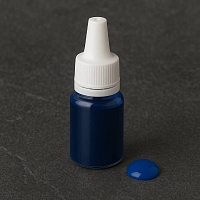


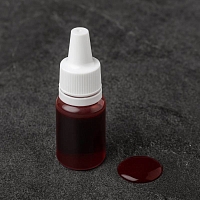


Color Shift Effects for Creams Gels and Serums
Liquid migrating dyes are colorants that move and blend gradually through a transparent or translucent base once applied, creating a shifting or gradient color effect rather than a flat uniform tone. Formulators use them to build visual movement into gels, balms, and clear cosmetic bases without mixing separate batches of color.
These dyes work well in gel textures, transparent soaps used as decorative bases, bath and body gels, and layered cosmetic products where a slow color transition adds visual interest to the finished item. Because the pigment migrates rather than sitting fixed in place, small differences in base viscosity and application thickness change how the color spreads, which gives formulators room to experiment with density and application method to control the final look.
For projects that need a stable, non-shifting tone instead, liquid pigments wholesale hold their color evenly through a formulation, while pigment powders wholesale give more control over saturation when dispersed manually into a base before it sets.
Range Within the Category
Migrating dyes in this range are typically supplied as concentrated liquids, ready to be dosed drop by drop into a clear or translucent base. The color families available cover the full spectrum used in decorative cosmetic work, from primary tones to deeper, less common shades, giving formulators room to build a gradient effect or blend two tones into one flowing transition. A red food color paired with a yellow food color can produce a warm shifting gradient in a single gel base, while cooler combinations lean on a blue food coloring alongside a green liquid food colorant.
Beyond the primary tones, shades such as orange food colorant, raspberry food color and brown food color extend the palette toward warmer or more muted transitions, which is useful when a formulation calls for a natural looking fade rather than a sharp contrast between two bright tones.
Choosing a Shade and Building a Formula
Selection mostly comes down to the base itself: viscosity, transparency and the thickness of the layer applied all affect how far and how evenly a dye migrates. A thinner gel spreads color faster and produces a softer gradient, while a denser base slows the migration and keeps the transition more contained near the point of application. Testing a small batch before scaling up a formulation helps confirm how a particular dye behaves in that specific texture.
These liquid dyes are commonly paired with other colorants to build layered visual effects. For a formula that instead needs a flat, even tone that does not move through the base, oil soluble liquid dyes are a more predictable choice for oil phases and anhydrous bases. Combining a migrating dye with a static one in the same product lets formulators create a design where part of the piece shifts in color and another part stays fixed.
Storage and Sourcing
Products in this line are sourced from India and supplied in one liter containers, which suits both smaller test batches and larger production runs without requiring a separate scale up step for concentration. Liquid dyes should be kept in tightly sealed containers, away from direct sunlight and heat, since prolonged exposure to light can shift the tone of the concentrate before it ever reaches a finished base. Checking the container seal and giving the liquid a gentle shake before dosing helps keep the color consistent from the first drop to the last.
FAQ
What is the difference between color shift dyes and regular liquid pigments?
Color shift dyes migrate and blend gradually through a base after application, creating a gradient effect, while liquid pigments wholesale distribute evenly and hold a flat, stable tone from the moment they are mixed in, without any ongoing movement.
What bases work best with migrating color dyes?
Transparent or translucent gel and cream bases show the shifting effect most clearly, since the color needs a clear medium to move through. Opaque or heavily pigmented bases will mask the gradient, so clarity of the base matters more than its thickness.
How much dye should be used for a visible shifting effect?
Start with a small concentration and build up gradually, since these dyes are supplied concentrated and a little goes a long way. Application thickness and base viscosity also affect how far the color travels, so testing on a sample batch first is recommended.
Can migrating dyes be combined with powder pigments in the same formulation?
Yes, many formulators combine a migrating dye for movement with pigment powders wholesale for fixed areas of saturated color, giving layered visual depth. Testing compatibility and dispersion together in a small batch first helps confirm the final result before scaling up.
Recommendations
When choosing a color shift dye, think about the transparency of your base first, since the gradient effect only reads clearly through clear or translucent gels rather than opaque creams. Test a small batch at different concentrations to see how far the color migrates before committing to a full production run, as viscosity and layer thickness both change the outcome. If you need a specific shade range or want to compare a batch sample before ordering in volume, reach out by email and our team can help match a dye to your formulation.



