-
 Absolutes
-
 Active Complexes
-
 Actives & Peptides
-
 Amino Acids & Proteins
-
 Food Flavors
-
 Ayurvedic Ingredients & Herbs
-
 Vitamins & Coenzymes
-
 Chocolate Making Supplies
-
 Thickeners & Gelling Agents
-
 Hydrosols & Floral Waters
-
 Hydrolyzed Proteins
-
 Fragrance Ingredients
-
 Nutraceutical Ingredients
-
 Acids, Salts, Alcohols & Alkalis
-
 Preservatives & Antioxidants
-
 Cosmetic Ingredients
-
 Colorants, Micas & Glitters
-
 Masks, Scrubs & Botanicals
-
 Oils & Butters
-
 Candle Making Supplies
-
 Melt and Pour Soap Bases
-
 Cream, Lotion & Hair Care Bases
-
 Fragrance Oils & Industrial Aromatics
-
 Cleansing Agents & Surfactants
-
 Peeling Actives & Acids
-
 Cosmetic Powders
-
 Solvents & Humectants
-
 Silicones & Conditioning Agents
-
 Bottles, Jars & Vials
-
 Silicone & Plastic Molds, Tools
-
 Botanical Extracts
-
 Cosmetic Emollients
-
 Emulsifiers
-
 Essential Oils
- Alginate Face Masks 115
- Bath Beads and Pearls 75
- Waxes for cosmetics 69
- Cosmetic Clay 45
- Face and Body Masks 89
- Scrubs for Cosmetic Production 113
- Bath Salts 48
- Natural dried flowers 37
- Alginate Masks Wholesale 176
- Clays for Cosmetics Wholesale 35
- Additives for Cosmetics Wholesale 327
- Face and Body Masks Wholesale 175
- Scrub Ingredients Wholesale 121
- Bath Salt Wholesale 57
- Cosmetic Clays Wholesale 4
Bath Salt Wholesale
 Add to cart

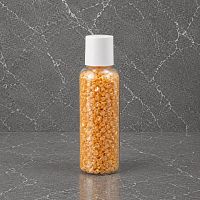
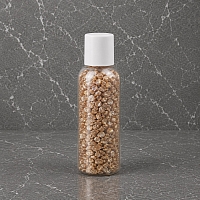
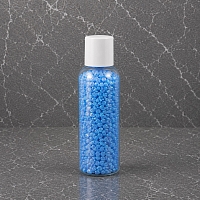


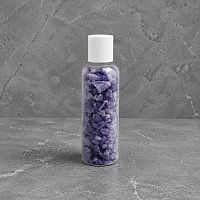


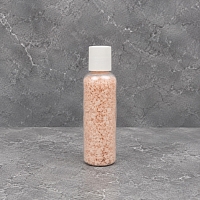


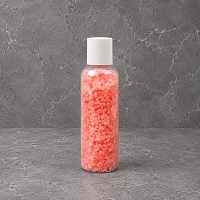


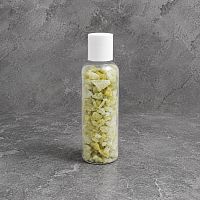
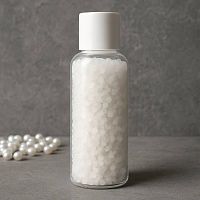

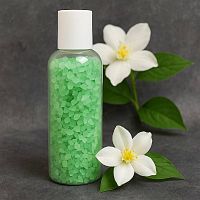

Mineral Bases for Soaking Blends and Body Care Formulas
This section covers bulk mineral salts supplied as a raw material for cosmetic production, including fine and coarse grain options with varying mineral compositions. Formulators use these salts as a base or additive in body care products, choosing grain size and mineral profile according to the texture and dissolution rate a formula requires. Packaging ranges from small trial quantities to large sacks suited for production runs.
In finished formulas, mineral salt serves as a carrier for essential oils, colorants and dried botanicals, or as a standalone base for soaking and exfoliating blends. It is frequently combined with <a href=\"https://xn----utbcjbgv0e.com.ua/en/maski-dlja-lica/dobavki-opt/\">cosmetic additives</a> to adjust texture, scent or visual appeal, and with <a href=\"https://xn----utbcjbgv0e.com.ua/en/maski-dlja-lica/suhocvety/\">dried flowers</a> for decorative inclusions. Grain size directly affects how quickly the salt dissolves and how it feels during application, which matters for both retail products and private label lines.
Grain Types and Aromatic Variations
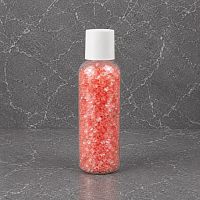
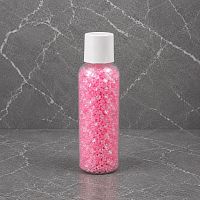
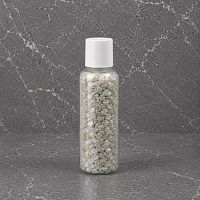
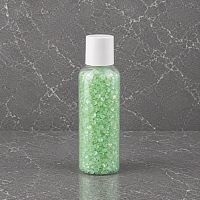
Mineral salt supplied in bulk falls into a few practical categories. Fine grain dissolves quickly and suits blends meant to disperse fully in water, while coarser grain holds its shape longer and works well where a visible texture or slower release is desired. Beyond grain size, many batches carry an added aroma profile, from citrus and floral notes to warmer, resinous scents, which lets formulators match a base to a specific product line without sourcing separate raw materials for scent and substance.
Composition also varies. Some salt is a single mineral source, while other batches are blended with trace minerals intended to enrich the finished formula. A straightforward option like Epsom Salt 1 kg works as a neutral base with no added fragrance, giving formulators full control over scent and additives. Scented alternatives such as Juniper Flavored Dead Sea Salt, 1 kg or Lavender Flavor Bath Salt 1 kg already carry a defined character, which speeds up development for lines built around a particular scent identity.
Choosing a Grade and Building a Formula
Selection generally comes down to three factors: intended dissolution rate, compatibility with other ingredients in the formula, and the aroma direction of the finished product. Salt meant for quick-dissolving sachets or single-use portions usually calls for finer grain, while coarser textures suit jars or containers where the product is scooped and the crystal structure is part of the visual appeal.
Aromatic variety in this category is broad enough to cover most formula directions without blending fragrance separately. Warmer, gourmand notes appear in options like Honey and Propolis Bath Salt 1 kg and Chocolate Bath Salt, 1 kg, while lighter, greener profiles are represented by Dead Sea Salt with Pine Aroma 1 kg and floral character comes through in Jasmine Bath Salt 1 kg. Citrus and mineral-forward options, such as Orange Bath Salt 1 kg and Magnesia Bath Salt 1 kg, round out the range for lines built around freshness rather than warmth. An unscented base such as Dead Sea Salt 1 kg remains useful when a formulator prefers to introduce fragrance and color independently. For formulas that pair a mineral base with a barrier or emollient layer, ingredients from Waxes for cosmetics are a common complement, and salt-based masks are often finished alongside a product like Mineral Mud for Facial and Body 1 L to build a layered body care routine.
Origin and Storage Considerations
Batches in this category originate from a mix of sources, including Germany, Israel, the United States, India, Turkey, Ukraine and Spain, depending on the specific mineral profile and grain type. Because salt readily absorbs moisture from the air, it should be kept in sealed, airtight packaging in a dry storage area; humidity is the main factor that causes clumping or loss of the fine texture formulators rely on for consistent dosing.
FAQ
What is the difference between fine and coarse grain mineral salt?
Fine grain dissolves faster and works well in blends meant to fully disperse in water, giving a smoother feel. Coarse grain holds its shape longer, making it suitable for textured scrubs or decorative layering where visible granules matter.
How should bulk mineral salt be stored?
Store salt in a dry, sealed container away from moisture and direct sunlight. Humidity causes clumping and can affect how evenly the salt blends with oils, colorants or botanicals in a finished formula.
Can mineral salt be combined with essential oils and colorants?
Yes, mineral salt acts as a carrier base that readily absorbs essential oils and accepts colorants without altering their performance. The grain size chosen affects how evenly liquids distribute through the batch.
What packaging sizes are available for production use?
Packaging typically ranges from small trial quantities suited for testing a formula to larger sacks intended for full production runs, allowing formulators to scale up once a blend is finalized.
Does mineral composition vary between salt types?
Yes, different salt sources carry distinct mineral profiles that can influence texture, dissolution behavior and overall feel in the final product, so formulators often select based on the specific outcome they want.
Is mineral salt suitable for private label body care lines?
It is commonly used as a base for private label soaking and exfoliating blends, since grain size and mineral content can be matched to a brand's target texture and packaging format.
Recommendations
When choosing a mineral salt for your formula, start with grain size: fine grain suits fast-dissolving blends, while coarse grain works better for scrubs and decorative layering. Consider the mineral profile as well, since it can shape texture and how the salt interacts with added oils or colorants. For testing a new formula, order a small trial quantity before scaling up to a production batch. If you are ready to move forward, reach out by email with your target grain size and volume, and our team will help match the right option to your formulation needs.




