-
 Absolutes
-
 Active Complexes
-
 Actives & Peptides
-
 Amino Acids & Proteins
-
 Food Flavors
-
 Ayurvedic Ingredients & Herbs
-
 Vitamins & Coenzymes
-
 Chocolate Making Supplies
-
 Thickeners & Gelling Agents
-
 Hydrosols & Floral Waters
-
 Hydrolyzed Proteins
-
 Fragrance Ingredients
-
 Nutraceutical Ingredients
-
 Acids, Salts, Alcohols & Alkalis
-
 Preservatives & Antioxidants
-
 Cosmetic Ingredients
-
 Colorants, Micas & Glitters
-
 Masks, Scrubs & Botanicals
-
 Oils & Butters
-
 Candle Making Supplies
-
 Melt and Pour Soap Bases
-
 Cream, Lotion & Hair Care Bases
-
 Fragrance Oils & Industrial Aromatics
-
 Cleansing Agents & Surfactants
-
 Peeling Actives & Acids
-
 Cosmetic Powders
-
 Solvents & Humectants
-
 Silicones & Conditioning Agents
-
 Bottles, Jars & Vials
-
 Silicone & Plastic Molds, Tools
-
 Botanical Extracts
-
 Cosmetic Emollients
-
 Emulsifiers
-
 Essential Oils


Candle colorants

 Add to cart


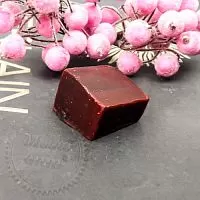


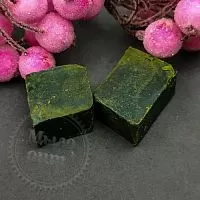


Pigments and dyes for shaping wax appearance
This section brings together concentrated colorants formulated for tinting wax, including dye blocks, liquid dyes, and powdered pigments. These materials are dispersed directly into melted wax to produce consistent color throughout a poured item, from pale pastel tones to deep saturated shades. The range covers options suited to soy, paraffin, gel, and blended waxes used across small workshops and larger production lines.
Colorants in this category serve wax crafting broadly, not a single wax type or vessel format. Pigment particles are engineered to disperse evenly at typical pour temperatures, resisting fading and streaking as the wax cools and solidifies. Dye blocks tend to suit clear or translucent finishes, while powdered pigments work well for opaque, richly toned results and can also be blended to create custom shades.
Selecting the right colorant depends on the wax base, desired opacity, and pour temperature range used in a given formulation. Buyers building out a full production setup often pair colorants with other candle making supplies or complement visual tone with scent using candle fragrance oils for a coordinated finished product.
Types of wax colorants and how they differ
Dye blocks are solid, pre-measured chips designed to melt directly into the wax pool, making them a clean option for workshops that pour frequently and want predictable, repeatable results batch after batch. Because dye blocks distribute smoothly without leaving sediment, they tend to work best in clear or lightly tinted finishes where translucency matters.
Liquid dyes offer finer control over shade intensity, since drops can be added gradually until the desired tone is reached. This makes them useful for gradient pours or when matching a specific color target across multiple batches. Powdered pigments, by contrast, sit on the opaque end of the spectrum and are often chosen when a bold, fully saturated finish is the goal, including shades such as the Bright Pink Wax Dye for Candles 5 g or the Bright Orange Wax Dye for Candles 5 g, both formulated for strong, even coverage.
How to choose and what to combine with wax pigments
Selection generally comes down to three factors: the base wax being used, the pour temperature, and how opaque or translucent the final piece should look. Cooler tones such as the Blue Wax Dye for Candles 5 g or the Green Wax Dye for Candles 5 g can be layered or blended with warmer shades like the Red Wax Dye for Candles 5 g to build custom hues, while the Purple Wax Dye for Candles 5 g works well for deeper, richer finishes.
For a lighter or muted palette, the White Wax Colorant for Candle 5 g is commonly used to soften saturated pigments and create pastel variations without altering the wax structure itself. Since these colorants are dosed in small amounts, they combine easily with other formulation components sourced from the broader Candle making raw materials range, allowing color, texture, and scent to be adjusted independently within the same batch.
Origin and storage
Colorants in this range are sourced from Germany, reflecting a supply chain focused on consistent pigment quality and stable dispersion across production runs. Keeping dye blocks and pigments in a cool, dry place away from direct sunlight helps preserve color strength and prevents premature clumping or fading before use.
FAQ
What is the difference between dye blocks and powdered pigments for wax?
Dye blocks dissolve fully into melted wax, giving clear or translucent color with no residue, making them suited to lighter or see-through finishes. Powdered pigments disperse as fine particles, producing opaque, richly saturated color and allowing custom shades through blending different powders together.
How much colorant should be added to melted wax?
Usage rates vary by product concentration, wax type, and desired shade depth, so starting with a small test batch is recommended before scaling up. Adding color gradually while the wax is fully melted helps achieve even distribution and avoids streaking or uneven tone once the wax cools.
Can these colorants be mixed to create custom shades?
Yes, powdered pigments and liquid dyes can be combined in small test amounts to build custom tones, since most are formulated to be compatible with one another. Keeping notes on ratios used helps reproduce the same shade reliably across future production batches.
Do wax colorants work with soy, paraffin, and gel wax alike?
Most colorants in this range are formulated to disperse well across soy, paraffin, gel, and blended waxes, though pour temperature and wax density can affect how evenly color spreads. Checking compatibility with the specific wax base being used helps maintain consistent results.
Recommendations
When choosing a colorant, match the format to your finish goal: dye blocks for clear or translucent effects, powdered pigments for opaque and deeply saturated tones. Consider your typical pour temperature and wax type, since dispersion and color stability can vary across soy, paraffin, and gel bases. For larger production runs, request a small sample batch first to confirm shade consistency before committing to a full order. Reach out by email to discuss quantities and available shades for your next batch.


