
-
 Absolutes
-
 Active Complexes
-
 Actives & Peptides
-
 Amino Acids & Proteins
-
 Food Flavors
-
 Ayurvedic Ingredients & Herbs
-
 Vitamins & Coenzymes
-
 Chocolate Making Supplies
-
 Thickeners & Gelling Agents
-
 Hydrosols & Floral Waters
-
 Hydrolyzed Proteins
-
 Fragrance Ingredients
-
 Nutraceutical Ingredients
-
 Acids, Salts, Alcohols & Alkalis
-
 Preservatives & Antioxidants
-
 Cosmetic Ingredients
-
 Colorants, Micas & Glitters
-
 Masks, Scrubs & Botanicals
-
 Oils & Butters
-
 Candle Making Supplies
-
 Melt and Pour Soap Bases
-
 Cream, Lotion & Hair Care Bases
-
 Fragrance Oils & Industrial Aromatics
-
 Cleansing Agents & Surfactants
-
 Peeling Actives & Acids
-
 Cosmetic Powders
-
 Solvents & Humectants
-
 Silicones & Conditioning Agents
-
 Bottles, Jars & Vials
-
 Silicone & Plastic Molds, Tools
-
 Botanical Extracts
-
 Cosmetic Emollients
-
 Emulsifiers
-
 Essential Oils
- Silicone geometric molds 11
- Wooden molds for soap 9
- Fondant Tools 9
- Compound for molds 35
- Metal baking molds 27
- World of Forms 223
- Silicone Molds 72
- Plastic chocolate molds 127
- Plungers and Cutters 40
- Silicone Portion Molds 19
- Silicone 3D Molds 603
- Silicone Baking Molds 36
- Silicone soap loaf molds 6
- Bath bomb molds 13
- Candy Molds 118
- Plastic soap molds 273
- Candle Molds 49
- Silicone 3D Luxury Molds 603
- Silicone forms 240
- Silicone mold trays for baking 218
- Soap stamps 38
- Plastic soap molds wholesale 9
- Paper baking molds 22
- Cookie cutters and gingerbread molds 61
- Mousse cake and dessert molds 8
- Cheese molds 5
Silicone mold trays for baking
 Add to cart


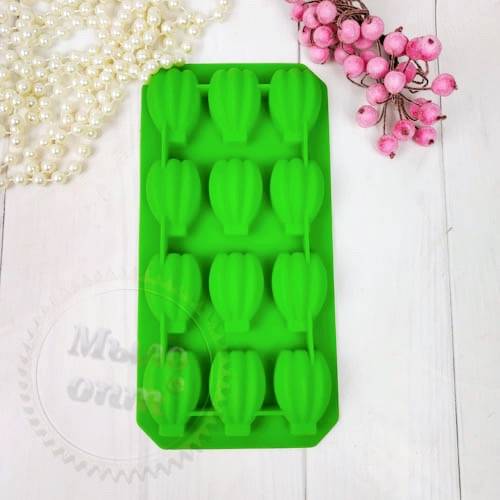
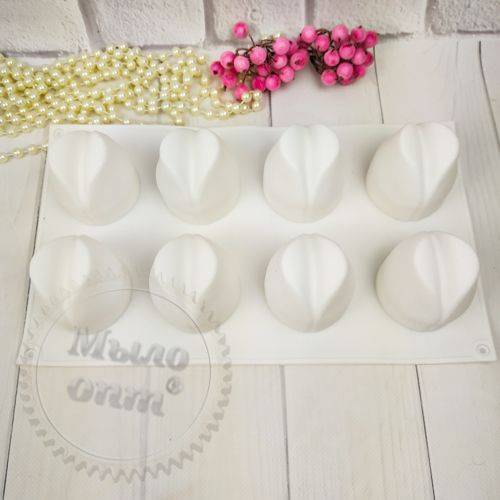
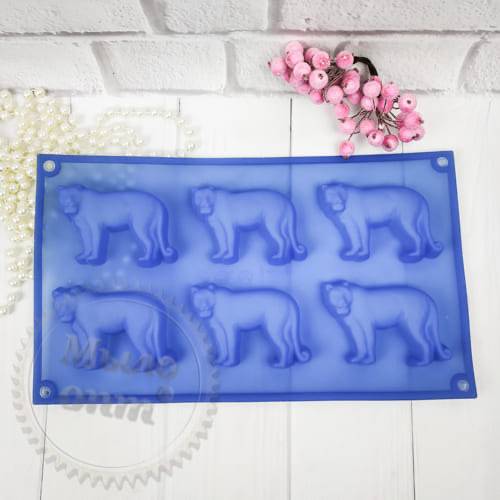
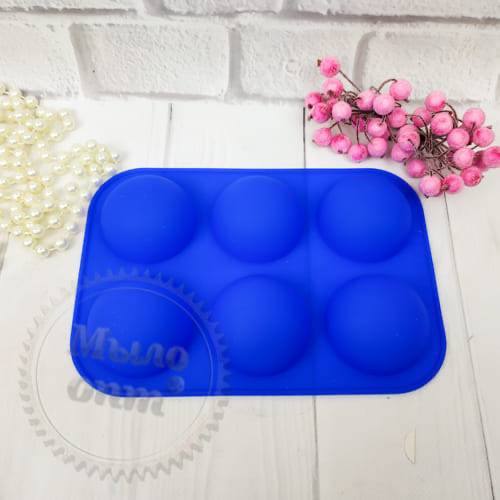
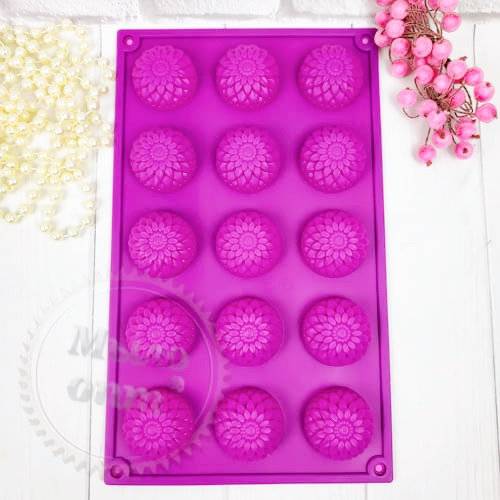

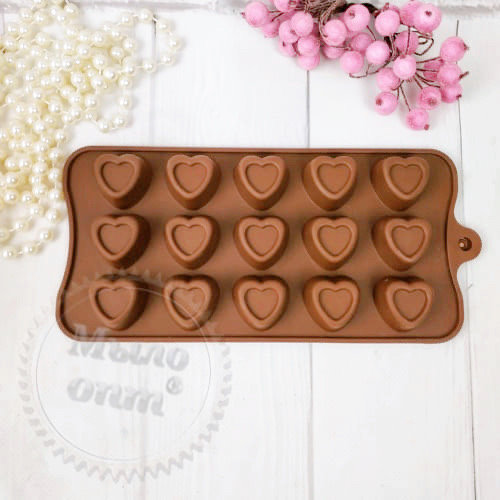
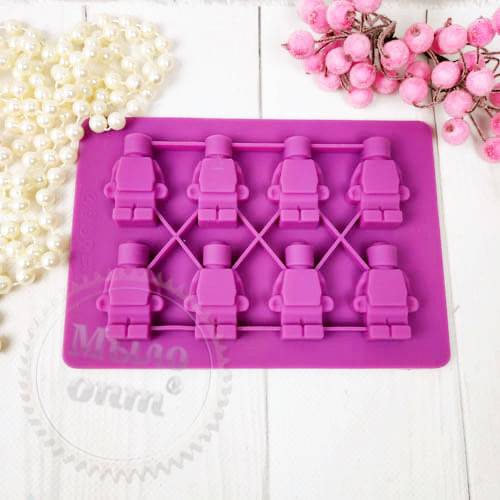

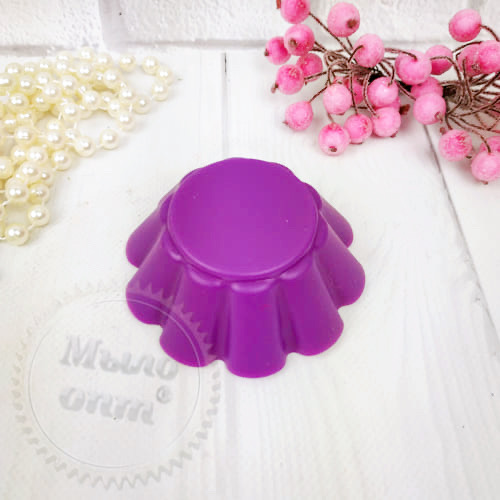
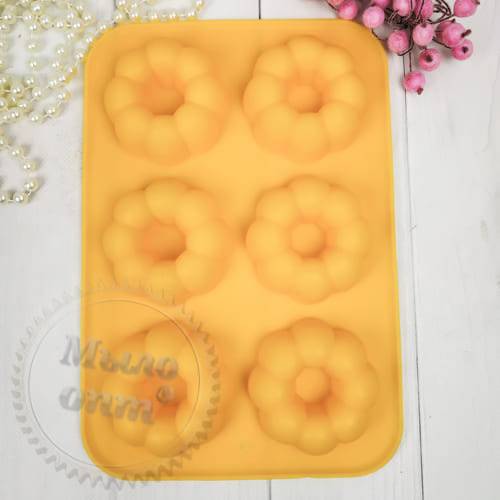
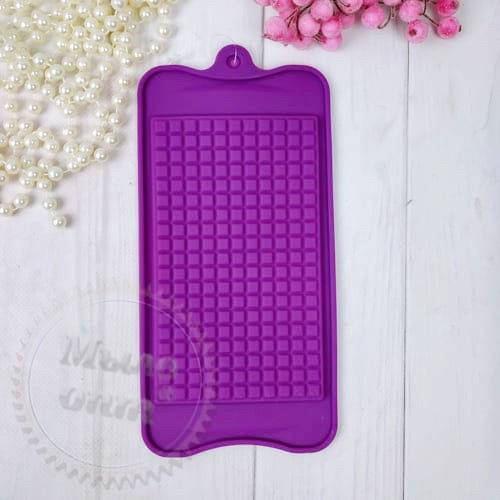
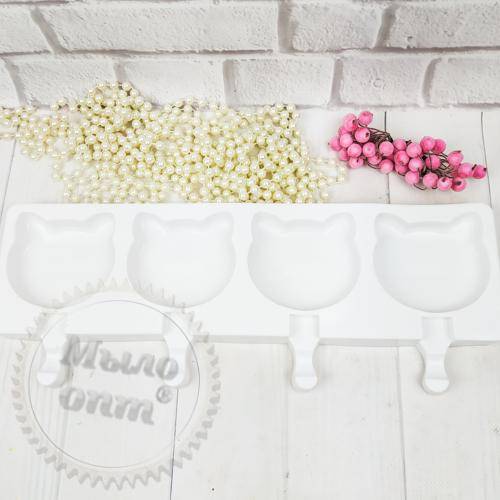
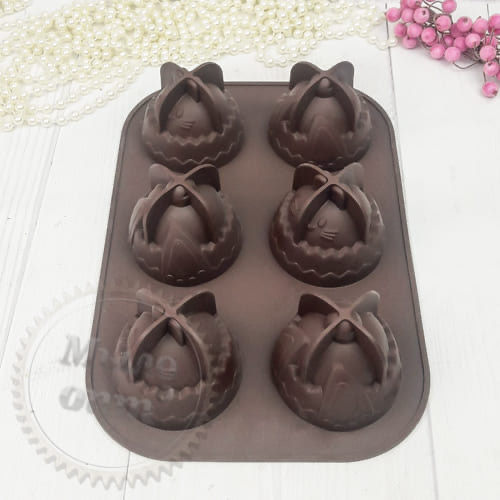
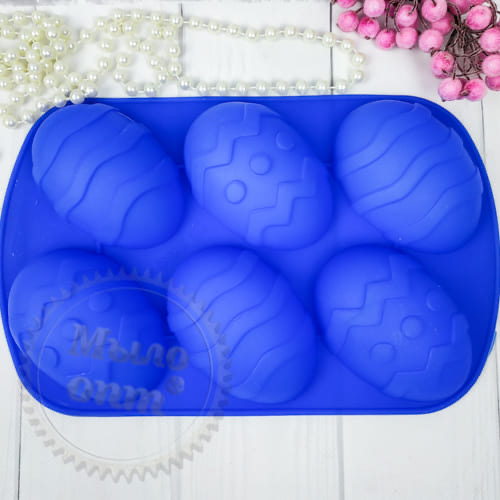


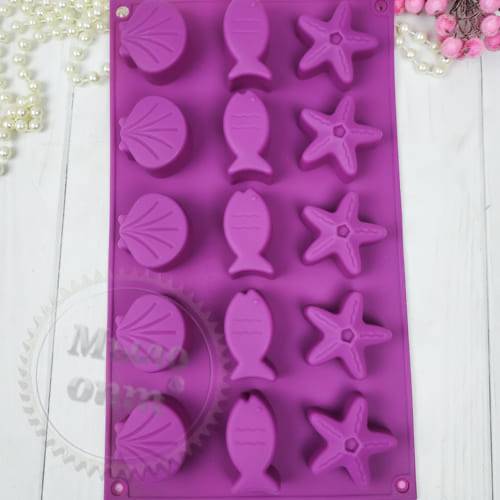
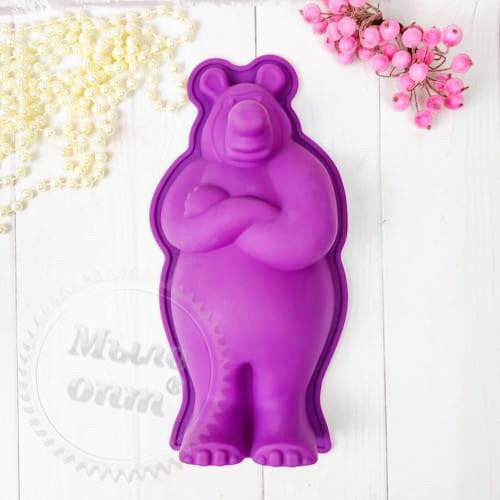
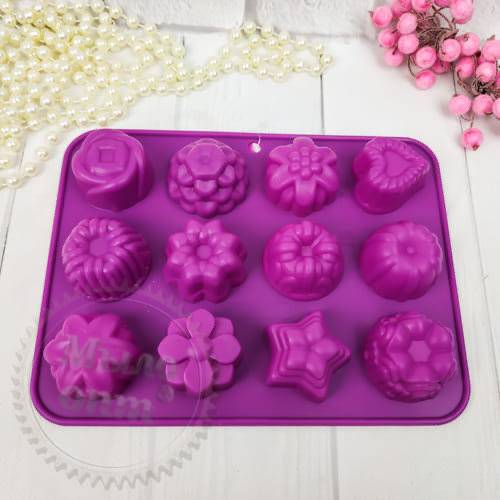
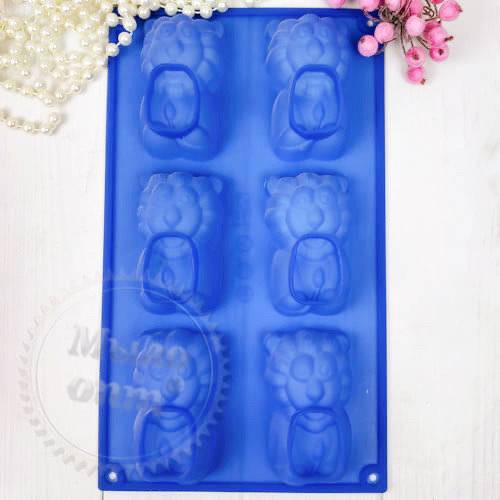

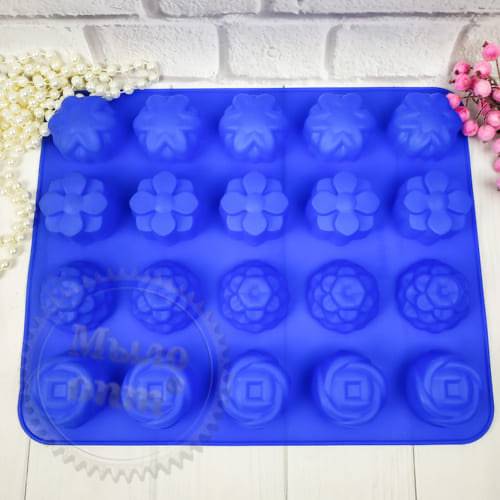
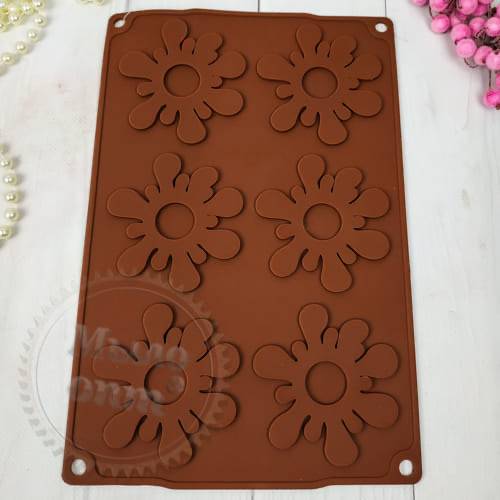
Reusable tray molds for kitchen and craft workshops
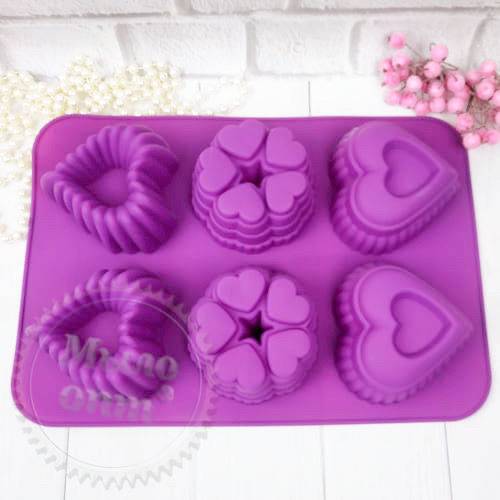
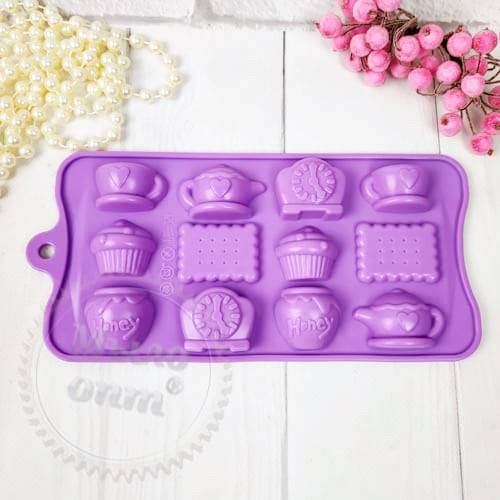
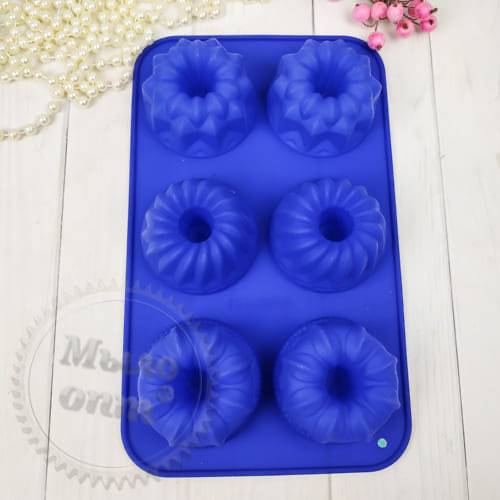
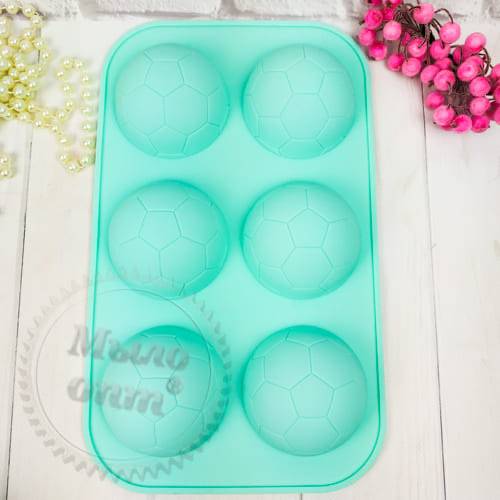
Silicone mold trays are flexible multi cavity sheets used to shape and release small items such as cake pops, chocolates, candies, ice cubes, and cold pour craft pieces. Each tray holds a repeating pattern of identical cavities, letting a single sheet produce dozens of uniform shapes in one pass. The silicone stays pliable at both low and high temperatures, so filled trays go straight from freezer or oven to countertop without cracking or sticking.
In a kitchen setting these trays handle baked goods, frozen desserts, and confectionery work, while the same cavity format suits cold pour projects like wax melts, resin pieces, and decorative embeds. For rounder cavity shapes closer to bath products, workshops often pair a tray mold with bath bomb molds, and for bar shaped output many buyers also keep plastic soap molds on hand to cover both soft and firm pour formulas.
Cavity patterns and layout differences
Tray molds are grouped mainly by cavity shape and repeat count rather than by a single intended filling. A tablet style sheet such as the Silicone mold on a tablet Classic cupcakes gives rounded cupcake style wells across one flat sheet, while a themed layout like the Silicone mold on the tablet Assorted locks mixes several small figures on a single tablet for varied output from one pour.
Figural tablets extend the range further. The Silicone mold on the tablet Hare and the Silicone mold on the Squirrel's tablet keep a repeating animal silhouette across the sheet, useful for party favors or themed batches in either a kitchen or a craft workroom. Transport themed cavities such as the Silicone mold on a tablet Steam locomotive and the Silicone mold on a tablet Trainers follow the same tablet logic with a different silhouette, while a geometric option like the Silicone mold Triangles on the tablet works well wherever a clean uniform edge matters more than a themed shape.
Choosing a cavity and pairing it with a pour material
Selection usually comes down to cavity size, depth, and how the filling behaves as it sets. Thin melted materials such as chocolate or wax settle into shallow wide cavities easily, while a thicker paste or a cold pour resin blend needs deeper wells to hold its shape during curing. Checking cavity depth and spacing against the batch size planned for a session helps avoid overfilling and uneven release.
Because the same tray format serves kitchen work, wax projects, and craft embeds, it pairs naturally with other cavity based tools in a workshop. Buyers who need rounder, more sculptural outlines often add Silicone forms from the broader mold lineup, and for a firmer bar shaped result the same shelf typically carries plastic mold options for structured, straight edged pieces.
Origin and everyday care
Stock in this category comes from suppliers in China and Poland, giving a mix of decorative tablet designs and simpler geometric layouts. Between uses, trays should be rinsed and dried fully before storage, since trapped moisture in deep cavities can affect release on the next pour. Keeping sheets flat rather than folded helps preserve cavity shape over repeated freezer to countertop cycles.
FAQ
What is the difference between a tray mold and a single cavity mold
A tray mold is one flexible sheet with many repeating cavities, so it produces multiple identical pieces per pour, while a single cavity mold yields one shape at a time. Trays suit batch work like cake pops, candies, or small cold pour pieces where uniform output and speed matter most.
Can silicone tray molds go from the freezer to the oven
Yes, food grade silicone trays tolerate a wide temperature range, so a filled tray can move from freezer to oven or countertop without cracking, warping, or the cavities losing their shape. This makes one tray useful across chilled desserts, baked pieces, and cold pour craft fillings.
How do you release items cleanly from a cavity tray
Chill or fully cure the filling before flexing the tray gently from the back, which lets the cavity walls peel away from the shape rather than pulling it out. Light dusting of cornstarch or a thin release spray on tricky cavity patterns also helps items drop free without tearing edges.
How should silicone mold trays be cleaned and stored
Wash trays with warm water and mild soap after each use, rinse residue fully from the cavity corners, and dry flat before stacking. Store them away from sharp tools and direct heat sources, since punctures or scorching are the main cause of a tray losing its shape over time.
What cavity sizes are common in a repeating tray layout
Tray layouts typically repeat a single cavity size across the sheet, ranging from small candy or ice sized wells to larger cupcake or bar shaped cavities. Choosing a size depends on the finished piece needed, since smaller cavities fill and release faster while larger ones need a firmer cure before unmolding.
Recommendations
Pick a tray mold by matching cavity size and depth to the finished piece you need, since a shallow candy well and a deep bar cavity behave differently during pour and release. Check that the cavity count and spacing suit your workflow, then confirm silicone thickness for easy flexing without tearing. Send your quantities and preferred cavity style by email and our team will help match the right tray for your production line.



