
-
 Absolutes
-
 Active Complexes
-
 Actives & Peptides
-
 Amino Acids & Proteins
-
 Food Flavors
-
 Ayurvedic Ingredients & Herbs
-
 Vitamins & Coenzymes
-
 Chocolate Making Supplies
-
 Thickeners & Gelling Agents
-
 Hydrosols & Floral Waters
-
 Hydrolyzed Proteins
-
 Fragrance Ingredients
-
 Nutraceutical Ingredients
-
 Acids, Salts, Alcohols & Alkalis
-
 Preservatives & Antioxidants
-
 Cosmetic Ingredients
-
 Colorants, Micas & Glitters
-
 Masks, Scrubs & Botanicals
-
 Oils & Butters
-
 Candle Making Supplies
-
 Melt and Pour Soap Bases
-
 Cream, Lotion & Hair Care Bases
-
 Fragrance Oils & Industrial Aromatics
-
 Cleansing Agents & Surfactants
-
 Peeling Actives & Acids
-
 Cosmetic Powders
-
 Solvents & Humectants
-
 Silicones & Conditioning Agents
-
 Bottles, Jars & Vials
-
 Silicone & Plastic Molds, Tools
-
 Botanical Extracts
-
 Cosmetic Emollients
-
 Emulsifiers
-
 Essential Oils
- Forbury Direct Soap Base Wholesale 8
- Stephenson Soap Base Wholesale 31
- Soap Base from England Wholesale 46
- Soap Base Belarus Wholesale 25
- Soap Base Germany Wholesale 6
- Israeli Soap Bases Wholesale 11
- Italian Soap Base Wholesale 5
- Soap base bulk supply 10
- Soap Base Ukrainian Wholesale 20
- Soap Base France Wholesale 14
- Bases for Shampoo, Cream, and Balm Wholesale 63
Soap Base Belarus Wholesale
 Add to cart



 Subscribe


A reliable source for melt and pour soap bases
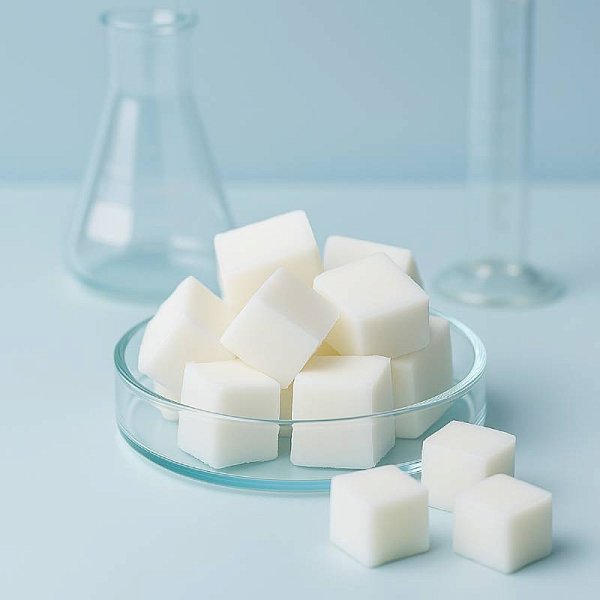
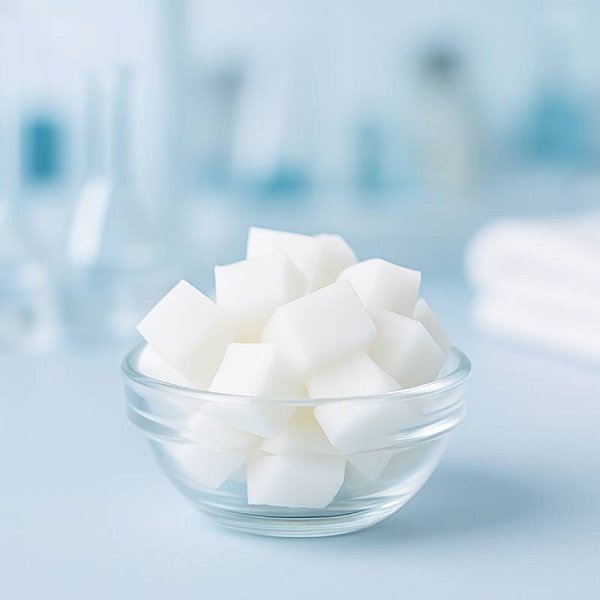
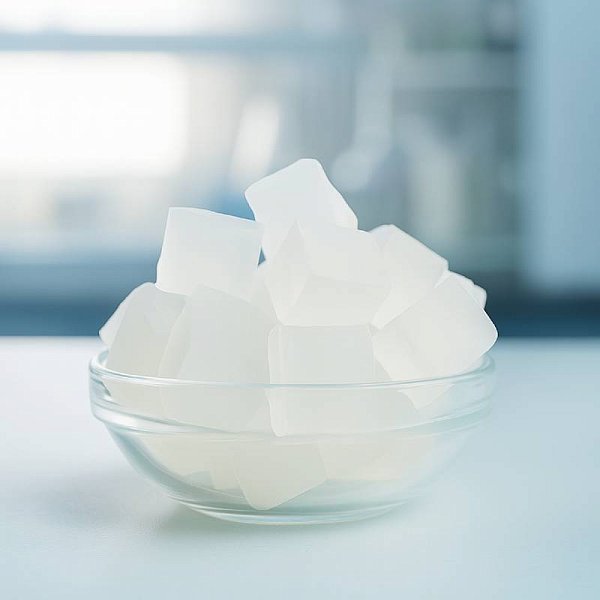
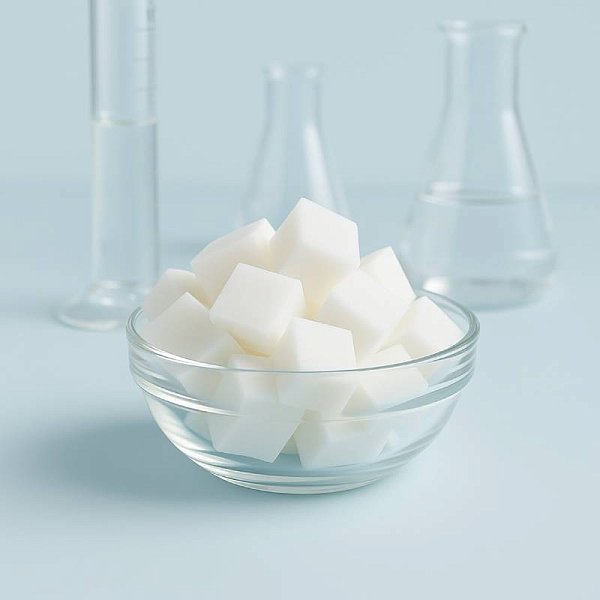
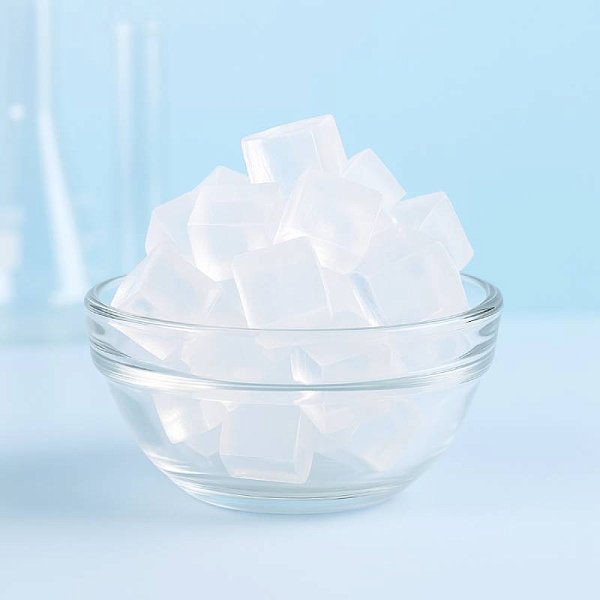
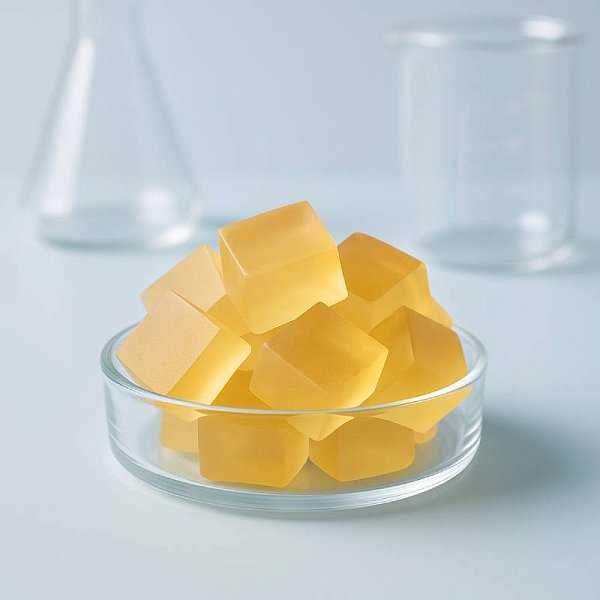
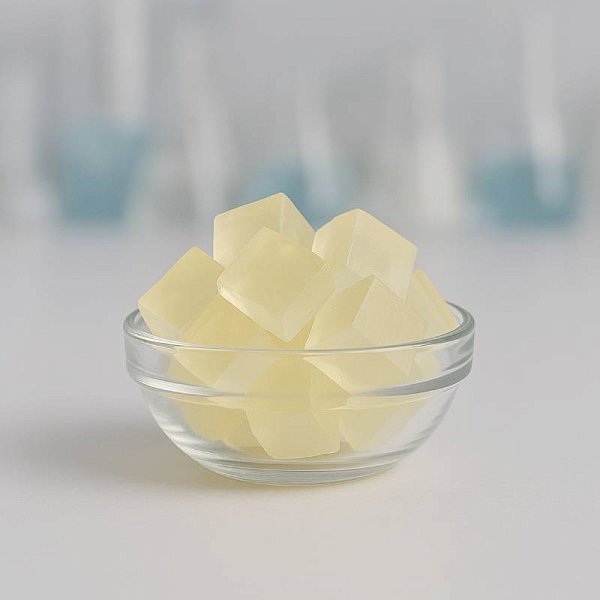
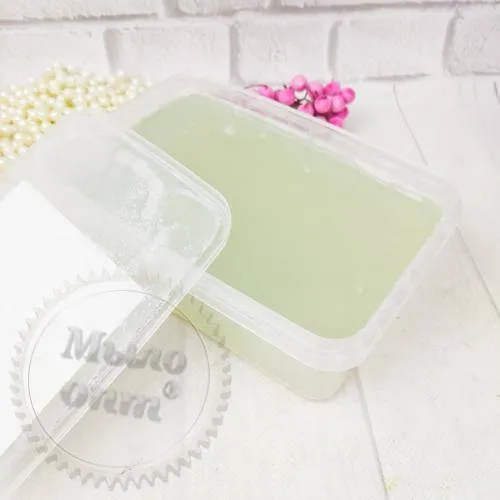
This section covers melt and pour soap bases sourced from Belarusian manufacturers, sold wholesale in blocks and slabs for handmade and small batch soap production. The lineup includes clear glycerin bases, white bases, and bases enriched with shea, goat milk, or olive components, all suited for cutting, coloring, and molding.
Soapmakers choose these bases for melt and pour projects, layered and embed soaps, guest and decorative bars, and gift sets that need a smooth finish without lye handling. The texture holds detail well when poured into molds, which makes it a common pick for workshops producing bars with inclusions, swirls, or botanical layers.
Buyers comparing origins often look at how a base behaves in a humid workshop or during shipping season, and some prefer to weigh it against Soap Base from England Wholesale or Soap Base Germany Wholesale before settling on a supplier for a full production run.
Base Types and Their Differences
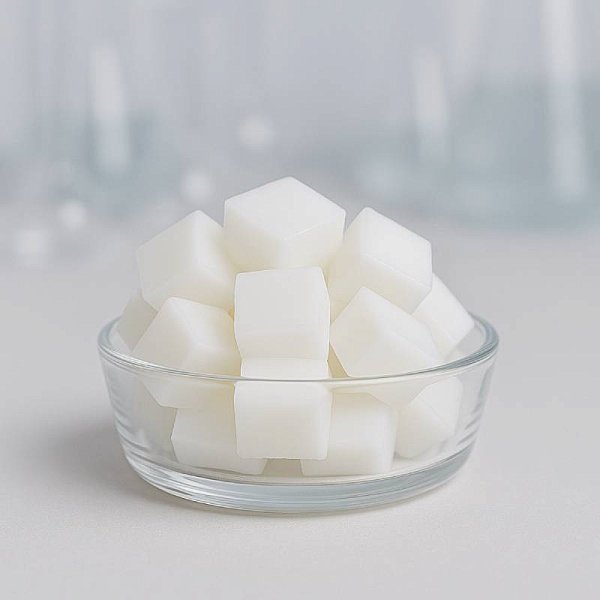
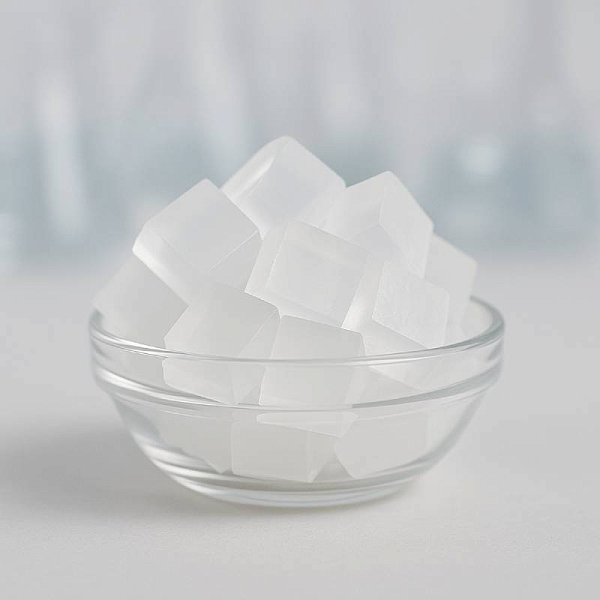
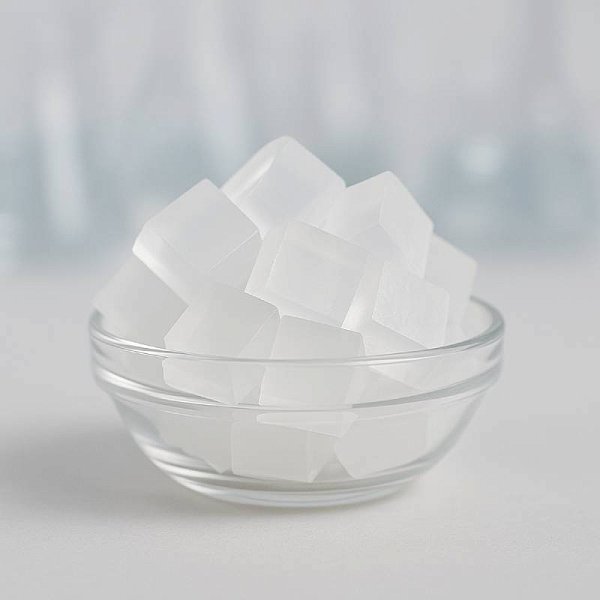
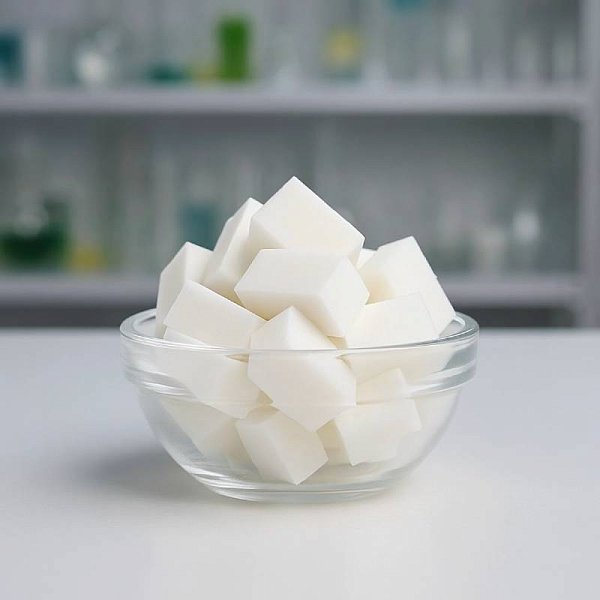
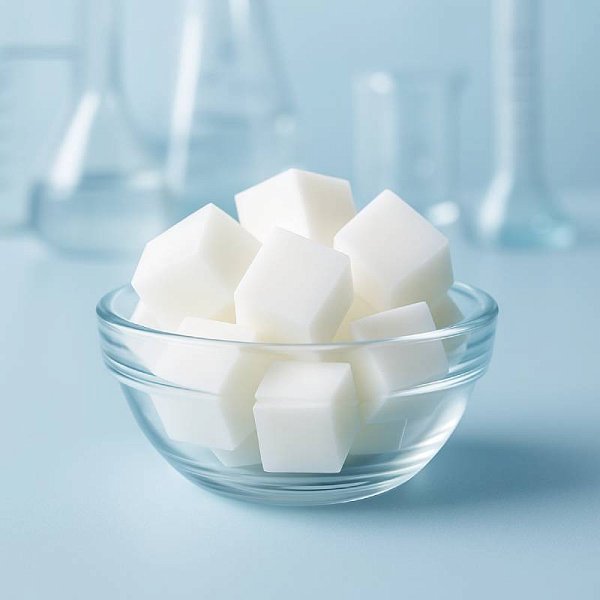
The core distinction among these Belarusian bases comes down to clarity, added fats, and finished texture. Clear glycerin options like Soap base Melta clear 12 kg stay transparent after melting, which suits bars where embeds, dried botanicals, or colored layers need to show through. The Melta White Soap Base 12 kg works the opposite way, giving an opaque finish that hides inclusions and reads as a cleaner, more uniform bar once poured.
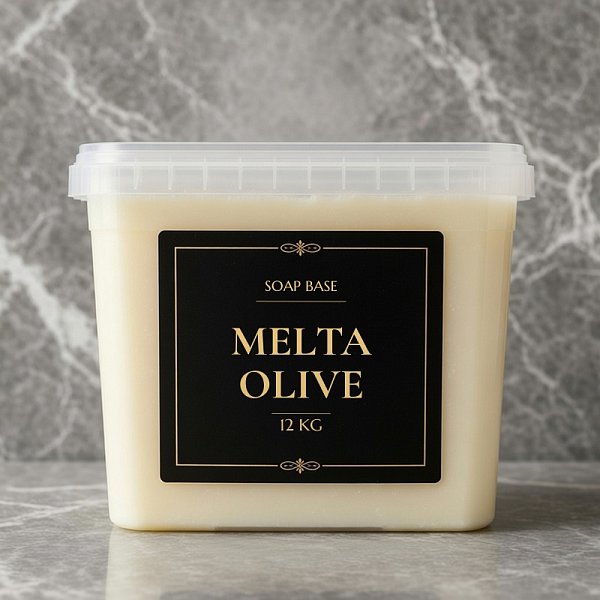
Enriched variants shift the feel of the finished bar rather than just its look. The Soap Base Shea Butter Melta 12 kg and Soap base Melta Olive 12 kg both carry extra emollient content that softens the surface texture, while the Goat Milk Soap Base Melta Goats Milk 12 kg leans toward a creamy, dense structure often used for milder, gift-oriented bars. Fruit butter versions such as the Melta Mango Soap Base 12 kg add a distinct pale tone and slightly heavier feel compared to the clear or white blocks.
Choosing a Base and Building a Recipe
Selection usually starts with the finished look a workshop wants: transparency for layered or embedded designs, opacity for solid-color bars, or an enriched base when a softer bar surface matters more than appearance. From there, batch size and melting behavior in a given workshop temperature come into play, since thicker enriched blocks can require slightly longer melt times than thinner clear slabs.
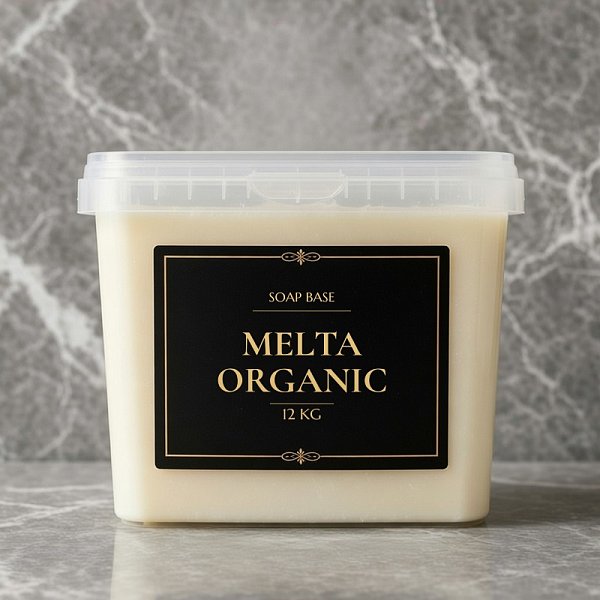
Once melted, these bases accept a wide range of additions well beyond a single recipe type: cosmetic colorants, fragrance oils, botanical inclusions, and mica pigments all blend into the mass before pouring. Producers running larger batches sometimes combine several base types in one project, layering a clear block over an enriched one for contrast in both look and texture, or mix in the Melta Organic Soap Base 12 kg where a lighter ingredient profile is wanted for a specific product line.
Origin, Storage, and Sourcing Notes
All bases in this section are manufactured in Belarus and arrive in standard 12 kg blocks, which makes portioning and storage planning straightforward for workshops of different sizes. Keeping blocks wrapped and stored at a stable room temperature away from direct sunlight helps preserve texture and prevents the surface from sweating before use.
Buyers weighing a full production order sometimes compare block behavior and pricing against the Stephenson Soap Base Wholesale line before committing to one supplier for a season, particularly when a workshop runs both clear and enriched formulas side by side.
FAQ
What is the difference between clear and white melt and pour soap base
Clear bases are glycerin rich and stay transparent, showing embeds and layers inside the bar. White bases include opacifiers and titanium dioxide, giving a solid creamy look that hides swirls but suits pastel colorants and clean minimalist bars better.
How much soap base do i need for a batch of bars
A standard 100 gram bar uses roughly 100 to 110 grams of melted base, accounting for minor evaporation and trimming. For a full block, divide the total weight by your target bar size and add a small margin for testing colors, fragrance load, and mold shape before scaling up.
Can shea or goat milk base be colored and scented like clear base
Yes, both accept liquid colorants, micas, and fragrance oils once melted, though goat milk and shea bases are more opaque and slightly richer in texture. Keep fragrance load moderate since these bases already carry natural fats that can affect how scent binds and how the bar sets.
How should melt and pour soap base be stored before use
Keep blocks wrapped and stored in a cool, dry space away from direct sunlight and humidity, which can cause sweating on the surface. Cut only the amount needed per batch and reseal the remaining block tightly to prevent it from drying out or picking up moisture.
Why do soapmakers compare bases from different countries before ordering in bulk
Melt point, clarity retention, and how a base handles humid storage or long shipping routes can vary by manufacturer. Workshops running frequent batches often test a small sample first to see how a base pours, sets, and holds fragrance before committing to a full production order.
Recommendations
Pick a base by matching its finish to your project: clear glycerin for embeds and layered designs, white or enriched bases like shea and goat milk for opaque, richer bars. Order a small block first to test melt behavior, scent retention, and set time in your workshop conditions before scaling to a full batch. Reach out by email to confirm block sizes and current stock for your production run.



