-
 Absolutes
-
 Active Complexes
-
 Actives & Peptides
-
 Amino Acids & Proteins
-
 Food Flavors
-
 Ayurvedic Ingredients & Herbs
-
 Vitamins & Coenzymes
-
 Chocolate Making Supplies
-
 Thickeners & Gelling Agents
-
 Hydrosols & Floral Waters
-
 Hydrolyzed Proteins
-
 Fragrance Ingredients
-
 Nutraceutical Ingredients
-
 Acids, Salts, Alcohols & Alkalis
-
 Preservatives & Antioxidants
-
 Cosmetic Ingredients
-
 Colorants, Micas & Glitters
-
 Masks, Scrubs & Botanicals
-
 Oils & Butters
-
 Candle Making Supplies
-
 Melt and Pour Soap Bases
-
 Cream, Lotion & Hair Care Bases
-
 Fragrance Oils & Industrial Aromatics
-
 Cleansing Agents & Surfactants
-
 Peeling Actives & Acids
-
 Cosmetic Powders
-
 Solvents & Humectants
-
 Silicones & Conditioning Agents
-
 Bottles, Jars & Vials
-
 Silicone & Plastic Molds, Tools
-
 Botanical Extracts
-
 Cosmetic Emollients
-
 Emulsifiers
-
 Essential Oils
- Polymer clay 170
- Plaster figures 315
- Wooden blanks 107
- Kids canvas for painting 3
- Magnet blanks 26
- Clock blanks 13
- Box blanks 7
- Bead embroidery kits 32
- Soap Making Kits 8
- Jewelry Crafting Kits 12
- Creative and handmade kits 27
- Doll Sewing Kits 41
- Embroidery Magnet Kits 196
- Plaster Hand and Foot Imprint 2
- Suction cups 6
- Wood Painting 13
- Ceramic Painting 8
- Fabric painting 4
- Canvas Painting 5
- Earring Findings 7


Fabric painting

 Add to cart

 Subscribe

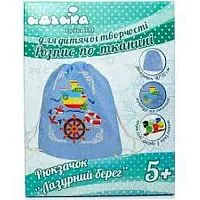
Pigments and tools for textile decoration projects
This section brings together paints, markers, stencils, brushes and small accessories used to decorate fabric surfaces by hand. It suits cotton bags, canvas shoes, t-shirts, tablecloths and other textile items that need a durable, washable design applied directly onto the material.
These supplies work well for home hobby projects, workshops for children and adults, and small-batch production of decorated textile goods. The same pigments and stencils are often paired with items from creative and handmade kits, since both categories serve people building complete craft sets rather than buying a single component.
Some customers combine fabric decoration with other hobby lines, including bases sold under soap making kits, when preparing gift sets that mix a textile item with a handmade bar as a single present.
Types of textile pigments and how they differ
Fabric paints in this section range from thick, opaque formulas built for dark fabrics to thin, transparent ones meant for light cotton and linen. Puffy or dimensional paints sit above the surface and create a raised outline, while standard flat paints soak into the fibers and stay flexible after washing. Markers with a fine tip are chosen for lettering and small detail work, whereas brush-on bottles cover larger areas faster.
Stencils and masking tape are grouped here too, since most decorators use them to keep edges clean before applying color. A stencil set works alongside a spray or sponge-applied pigment, and the same basic tools reappear across other decoration categories such as Canvas Painting and Wood Painting, where the surface changes but the layering logic stays similar.
Choosing the right pigment and pairing it with other materials
The main criterion is the base fabric: stretchy jersey needs a flexible paint that will not crack when the garment moves, while a stiff canvas tote can take a heavier, more rigid pigment. Color intensity also depends on fabric tone, so a pale background allows thinner paint while a dark one calls for a denser, more covering formula.
Many customers build a single decorated item using more than one material family. A tote bag or apron can carry a painted design plus a small sculpted element, which is why pigments here are often ordered together with supplies from Polymer clay for an attached charm, or with plaster pieces from Plaster figures used as a separate decorative accent nearby. A finished piece such as the Painting on fabric Apron Sweet meeting shows how a single stenciled design can turn a plain textile blank into a ready gift item.
Origin, storage and workshop use
The pigments, brushes and stencils in this section are produced in Ukraine, which keeps restocking predictable for workshops running regular sessions. Bottles and tubes should be kept tightly closed and away from direct heat, since water-based formulas can thicken or separate if left open for long periods.
Workshops for both children and adults frequently run several decoration formats side by side in one session, mixing textile painting with Kids canvas for painting, Ceramic Painting or a short jewelry-making station from the Jewelry Crafting Kits range, so guests can pick the surface that interests them most while sharing the same table of pigments and tools.
FAQ
What is the difference between puffy paint and standard fabric paint for textile projects?
Puffy paint dries with a raised, dimensional texture that sits above the fabric surface, ideal for bold outlines and lettering. Standard fabric paint soaks into the fibers, leaving a flat, flexible finish that works better on garments that need frequent washing and folding.
Which fabrics work best with these textile paints and markers?
Cotton, canvas and linen absorb pigment well and hold designs after washing. Blended and synthetic fabrics may need a thinner paint formula or a fabric medium to prevent cracking, so checking the paint description for recommended surfaces is worthwhile before starting a batch.
How should fabric paints and markers be stored to stay usable?
Keep containers tightly closed, away from direct sunlight and extreme temperature swings, ideally upright to avoid pigment separation. Markers should be stored horizontally or capped firmly so the tip does not dry out between projects.
Can these pigments be combined with stencils and brushes from other lines?
Yes, most paints in this range are compatible with standard stencils, sponge daubers and synthetic brushes regardless of brand. Testing a small swatch first helps confirm opacity and drying time before committing to a full production run.
Recommendations
When choosing a fabric paint or marker for a specific project, match the formula to the fabric weight and washing frequency the finished item will face, and pick opaque pigments for dark textiles or transparent ones for light cotton. Order a small batch first to confirm color and texture before scaling up production. Send your requirements by email and our team will help select a suitable pigment set for your order.


