-
 Absolutes
-
 Active Complexes
-
 Actives & Peptides
-
 Amino Acids & Proteins
-
 Food Flavors
-
 Ayurvedic Ingredients & Herbs
-
 Vitamins & Coenzymes
-
 Chocolate Making Supplies
-
 Thickeners & Gelling Agents
-
 Hydrosols & Floral Waters
-
 Hydrolyzed Proteins
-
 Fragrance Ingredients
-
 Nutraceutical Ingredients
-
 Acids, Salts, Alcohols & Alkalis
-
 Preservatives & Antioxidants
-
 Cosmetic Ingredients
-
 Colorants, Micas & Glitters
-
 Masks, Scrubs & Botanicals
-
 Oils & Butters
-
 Candle Making Supplies
-
 Melt and Pour Soap Bases
-
 Cream, Lotion & Hair Care Bases
-
 Fragrance Oils & Industrial Aromatics
-
 Cleansing Agents & Surfactants
-
 Peeling Actives & Acids
-
 Cosmetic Powders
-
 Solvents & Humectants
-
 Silicones & Conditioning Agents
-
 Bottles, Jars & Vials
-
 Silicone & Plastic Molds, Tools
-
 Botanical Extracts
-
 Cosmetic Emollients
-
 Emulsifiers
-
 Essential Oils
- Antioxidants 122
- Biocides 12
- Hydrosols (Hydrolates) 11
- Hydrocolloids for Cosmetics 10
- Others 70
- Fragrant Waters for Cosmetics 26
- Mineral Cosmetic Ingredient 194
- Functional Components 5137
- Corneotherapy 17
- Liposomes for Cosmetics 21
- Minerals 76
- pH Neutralizers/Correctors 20
- Resins and Resinoids 17
- UV and SPF Filters for Cosmetics 95
- Fruit Powders 15
- Chemical Raw Materials 155
- Enzymes, Filtrates, and Lysates 26
- Cargill France SAS – Oils and Actives 10
- BASF Cognis Care Chemicals 12
- Vitamins & Coenzymes Wholesale 156
- Bulk Waxes for Cosmetics 61
- Others Wholesale 89
- Acids, Salts, Alcohols & Alkalis Wholesale 136
- Cosmetic Ingredients Wholesale 2549
- Food grade raw materials wholesale 13
- Fruit Powders in Bulk 23
- Antioxidants bulk 1
- Acids and Alkalis Wholesale 17
- Preservatives Bulk 5
- Bulk Surfactants 3
- Emulsifiers Bulk 14
- Hydrosols Bulk 210


Food grade raw materials wholesale

 Add to cart





 Subscribe
Edible-grade components for creams serums and emulsions
This section brings together food grade raw materials selected for cosmetic manufacturing rather than culinary use. Formulators turn to these ingredients when a recipe calls for components with edible quality standards, such as certain oils, butters, powders and extracts that double as food additives while performing a cosmetic function in a cream, balm or emulsion.
Because these materials meet food grade purity, they often carry a cleaner profile that suits sensitive skin formulas, lip care, and products marketed on ingredient transparency. Many overlap with items found among, where texture, stability and skin feel are the main technical drivers rather than the food origin itself.
Small and mid-size labs typically stock a narrow set of these materials alongside their core lineup, pulling from the wider range when a batch needs an edible grade substitute for a standard cosmetic grade version.
Types of edible grade materials in this range
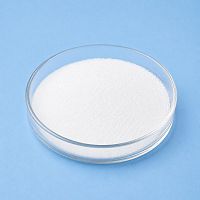
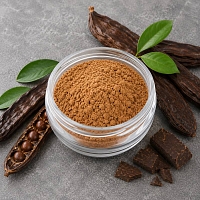
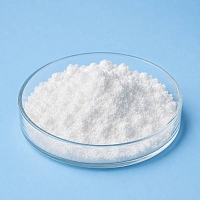
The category splits into several practical groups. Powders such as Milk Powder 1.5% 25 kg, Cocoa Powder 25 kg and Carob Powder 25 kg are used mainly for tint, texture buildup and light exfoliating feel in a cream or scrub base. Sugars and polyols like Sorbitol 25 kg and Fructose 25 kg work as humectants and stabilizers, holding moisture in an emulsion and softening its finish on skin. Fat-based items such as Chocolate chips white Caribe, 20 kg sit closer to butters and waxes in function, contributing body and a smooth melt point to balms. Fiber powders like Amaranth Powder 50 kg add bulk and a mild mechanical scrub effect without relying on synthetic exfoliants.
Matching a material to the formula
Selection usually starts with the role a material needs to play, not with its food origin. A humectant is chosen for its moisture retention curve, a powder for particle size and how it disperses in the base, a fat component for melting behavior and stability across storage temperatures. These same functional questions apply across the broader Bulk Waxes for Cosmetics range, where texture and stability are judged the same way regardless of grade.
Edible grade ingredients frequently sit alongside emulsifiers, oils and preservatives in the same recipe, so compatibility testing at small batch scale before scaling up is standard practice. Combining a humectant with a powder of the right particle size, for instance, gives formulators control over both feel and visual finish in creams, scrubs and lip balms without depending on a single supplier category.
Origin, packaging and storage
Materials in this range are sourced from France, Spain, Poland, Italy, Germany and China, with bulk packaging in 20 to 50 kg formats suited to production runs rather than single batches. Powders and sugars should be kept sealed and dry to avoid clumping, while fat-based components need a stable, cool storage area to prevent softening or separation before use. Buyers restocking core lines can pull matching volumes from the general cosmetic ingredients wholesale catalog when a formula calls for both edible grade and standard grade versions in parallel.
FAQ
What are food grade cosmetic ingredients used for
They function as oils, butters, powders or extracts that meet edible purity standards while performing a cosmetic role, such as emollience, texture or stabilization in creams, balms and emulsions. Formulators select them when a recipe benefits from a cleaner, food grade origin rather than a standard industrial grade material.
Can food grade powders replace standard cosmetic powders in a formula
Often yes, since powders like milk, cocoa or carob bring similar texture and binding properties to a recipe while adding a food grade origin. Substitution depends on the specific formula, since particle size, fat content and solubility can differ from a standard cosmetic grade equivalent.
How should these ingredients be stored before use in production
Most oils, butters and powders in this range should be kept in sealed containers away from heat, light and moisture to preserve texture and prevent rancidity. Rotating stock and checking each batch before weighing into a formula helps maintain consistent results.
Are these ingredients suitable for sensitive skin formulas
Many labs choose food grade materials for sensitive skin lines, lip care and transparent ingredient labels because of their cleaner purity profile. Suitability still depends on the full formula and concentration, so each recipe should be evaluated on its own ingredient list.
Recommendations
When choosing a food grade ingredient for a batch, match the grade to your formula rather than assuming any food safe material will behave the same as a standard cosmetic grade version, since fat content, particle size and moisture can vary between suppliers. Check the intended texture and stability role the component plays in your recipe before ordering a larger volume. For questions about a specific lot or to place an order, reach out by email and our team will help confirm availability and packaging options.



