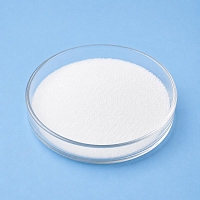
A fruit-derived sweetener that also keeps skin and formulas hydrated
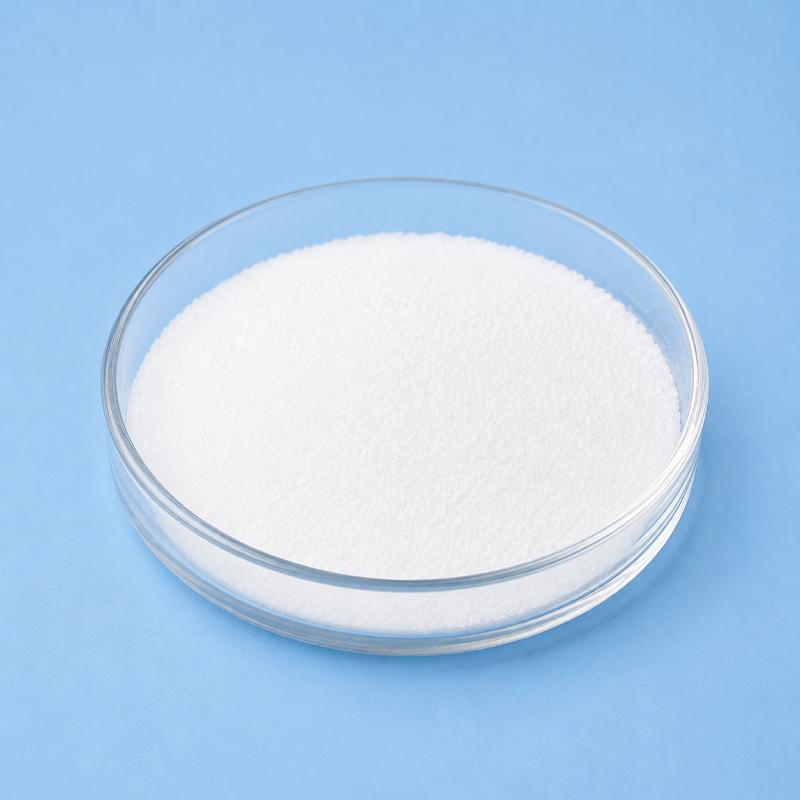
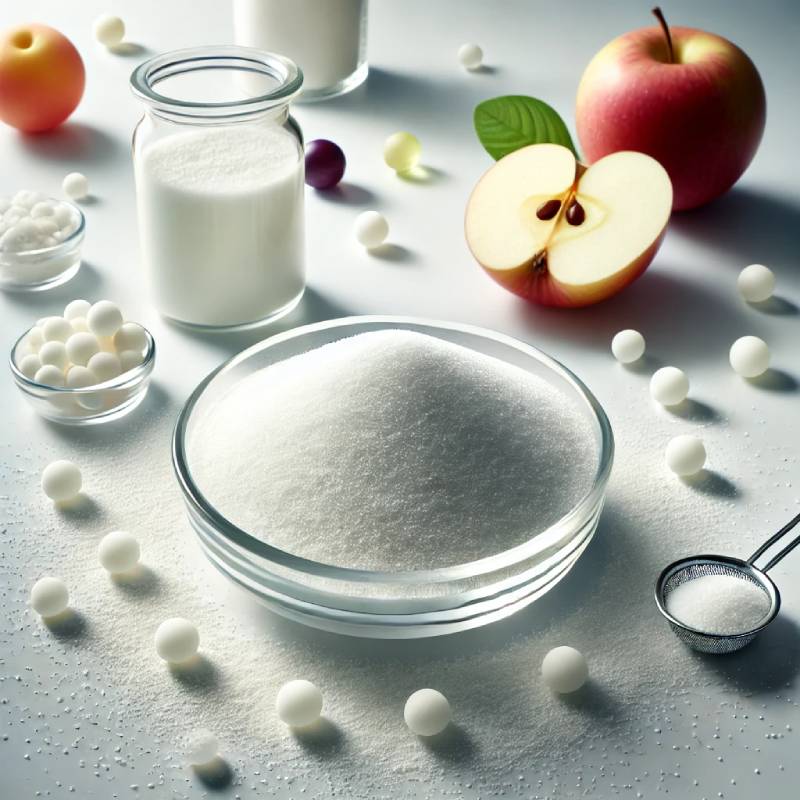
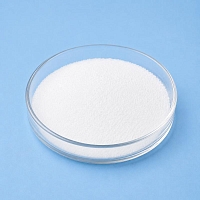
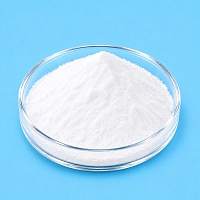
Fructose is a natural monosaccharide extracted from fruits and honey, and its largest global demand comes from the food industry, where it serves as a sweetener in beverages, confectionery, preserves and diet-friendly products thanks to its higher perceived sweetness compared to regular sugar. At the same time, this same ingredient has proven itself as a valuable humectant in cosmetic manufacturing, which is why this 100 g pack fits naturally into the category of Solvents and humectants, a section dedicated to substances that help formulas retain moisture over time.
A small pack size like this one is ideal for home experimentation and trial batches - whether you are testing a new lotion recipe, a hydrating toner, or a homemade syrup, you do not need to invest in a large quantity of raw material upfront. In cosmetic formulas, fructose is typically dissolved into the water phase at room or slightly warm temperature, with common usage rates ranging from 1 to 5 grams per 100 grams of the total formula. Going beyond this range tends to leave the finished texture noticeably sticky.
Fructose pairs well with other active ingredients commonly used in skincare. Combined with antioxidants such as Coenzyme Q10 Powder 2 g, it supports a more complete approach to caring for tired or mature skin by pairing hydration with antioxidant protection. Home formulators also mix a small amount of fructose into softer bases such as Cream Soap Base 200 g, producing a gentler, more moisturizing bar that avoids the dryness sometimes associated with standard soap bases. It also blends nicely into scrub formulas alongside abrasive particles, for example together with Oat Powder Scrub 50 g, resulting in a gentle exfoliant that cleanses while helping the skin retain moisture afterward.
Beyond food and cosmetics, fructose is also used in pharmaceutical solutions as a component of syrups and nutrient blends, and occasionally appears in household chemical formulations as an additive that softens the action of certain cleaning mixtures. Store fructose in a dry, cool place in tightly sealed packaging, since it readily absorbs moisture from the air and can clump if exposed to open atmosphere for extended periods. Under proper storage conditions, shelf life typically ranges from one to two years.
Heating fructose above roughly 110-120 degrees Celsius triggers caramelization, which matters mostly for cooking applications and has little relevance for cold cosmetic emulsions. This small format is a practical starting point for home users and small studios wanting to trial the ingredient before scaling up to larger volumes for regular production.
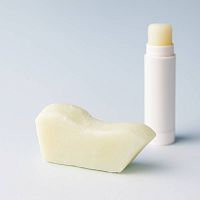
Hydrating fructose lip scrub
Fructose 15 g
Honey 10 g
Jojoba oil 10 ml
Fine sugar 5 g
Combine
fructose and fine sugar in a small bowl, then stir in honey and jojoba oil
until you get a smooth, slightly grainy paste. Apply a small amount to lips
with gentle circular motions for about one minute, then rinse off with warm
water and follow with a balm. Store any leftover mixture in a sealed jar in a
cool place and use within two weeks.