-
 Absolutes
-
 Active Complexes
-
 Actives & Peptides
-
 Amino Acids & Proteins
-
 Food Flavors
-
 Ayurvedic Ingredients & Herbs
-
 Vitamins & Coenzymes
-
 Chocolate Making Supplies
-
 Thickeners & Gelling Agents
-
 Hydrosols & Floral Waters
-
 Hydrolyzed Proteins
-
 Fragrance Ingredients
-
 Nutraceutical Ingredients
-
 Acids, Salts, Alcohols & Alkalis
-
 Preservatives & Antioxidants
-
 Cosmetic Ingredients
-
 Colorants, Micas & Glitters
-
 Masks, Scrubs & Botanicals
-
 Oils & Butters
-
 Candle Making Supplies
-
 Melt and Pour Soap Bases
-
 Cream, Lotion & Hair Care Bases
-
 Fragrance Oils & Industrial Aromatics
-
 Cleansing Agents & Surfactants
-
 Peeling Actives & Acids
-
 Cosmetic Powders
-
 Solvents & Humectants
-
 Silicones & Conditioning Agents
-
 Bottles, Jars & Vials
-
 Silicone & Plastic Molds, Tools
-
 Botanical Extracts
-
 Cosmetic Emollients
-
 Emulsifiers
-
 Essential Oils
- Ingredients for Bath Bomb and Fizzer 218
- Soap Bouquet Crafting Materials 490
- Slime Supplies: Ingredients and Additives 560
- Shampoo ingredients 409
- DIY Perfume Supplies 986
- Deodorant Components 90
- Cold process soap ingredients 96
- Components for lipstick, balm, lip gloss 374
- Sun protection components 259
- Components for washing powder 62
- Bath products 88
- Ingredients for cleaning products 71
- Ingredients for Alginate Masks 36
- Shampoo Ingredients Wholesale 530
- DIY Perfume Supplies Wholesale 1050
- Chocolate Ingredients Wholesale 71
- Components for washing powder Wholesale 64
Chocolate Ingredients Wholesale

 Add to cart

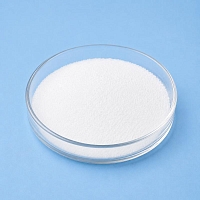


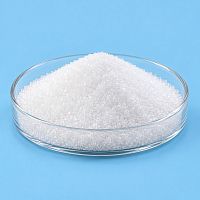


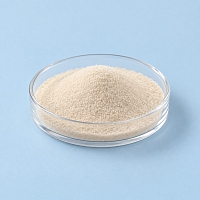


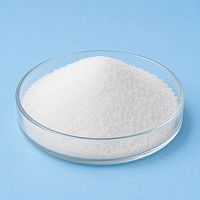


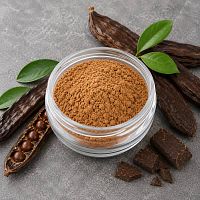


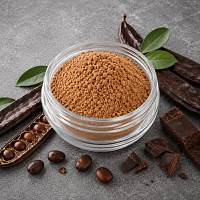
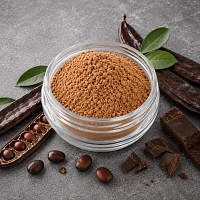
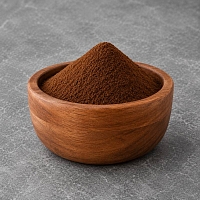
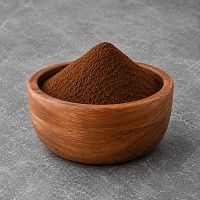
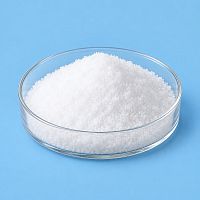
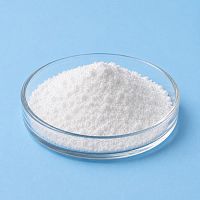
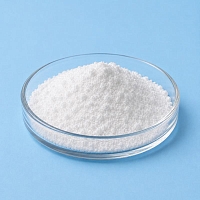
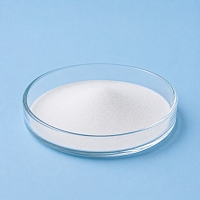
Cocoa Based Materials for Cosmetic Textures
This group gathers raw materials that deliver rich consistency, warm tone and recognizable scent to creams, balms and scrubs. functional components section offers complementary ingredients that help fine tune viscosity and stability. Formulas using these materials suit both small batch crafters and larger production runs across multiple product formats. The ingredients contribute to emollient effects and sensory appeal while maintaining physical properties needed in finished cosmetics.
Available Forms and Characteristics
Cocoa butter arrives in bars or slabs that melt at body temperature and provide a melting texture. Cocoa powder varies in fat content and color depth, allowing selection from light to deep shades. Carob offers milder aroma and lower fat levels for lighter textures. White chocolate Caribe chips create visual contrast and texture variation. All items come with quality documentation and originate from Poland, Italy, Germany and other regions. These options enable precise control over firmness and color in various bases. For test formulations, you can buy chocolate ingredients at retail in small packs.
Selecting the Right Grade
Higher cocoa butter ratios suit firm balm sticks. Powder contributes color and mild exfoliation in scrubs. Brown sugar adds gentle abrasion and caramel nuance. base thickener category allows flexible combinations while preserving overall structure. Temperature of melting and compatibility with other fats are considered when adjusting spreadability. Batch size influences the choice since melting behavior remains consistent from test samples to full runs.
Color Adjustments and Decorative Elements
Quinoline yellow, tartrazine, carmoisine and ponceau 4R help achieve precise chocolate and caramel shades. Decorative chips are added at the final stage to maintain particle integrity. Such combinations work well in solid sticks and exfoliating pastes where visual interest enhances the final product.
Production Scale Supply and Bulk Options
Bulk packs come in convenient sizes for accurate dosing. Batch uniformity is supported by documentation. Corn starch, 1 kg is frequently paired to control flow properties. Wholesale quantities are available in various pack sizes ensuring repeatable results from test batches to full production cycles. Manufacturers rely on this consistency for efficient scaling without reformulation.
Additional Texturing Additives
Powdered sugar, 1 kg serves as a texturing and mild abrasive additive, lending caramel nuance alongside cocoa aroma. It is incorporated into dry mixes or scrubs to improve flow without affecting emulsion stability. These additions expand creative options for formulators seeking balanced sensory profiles.
Storage Recommendations
Solid forms are kept cool and away from direct light. Powders require sealed containers to retain aroma and hue. Following guidelines ensures properties remain consistent throughout shelf life for reliable batch outcomes. Proper conditions prevent oxidation and color shifts that could impact formula performance over time.
FAQ
What is the melting range of cocoa butter?
Cocoa butter melts between 32 and 35 degrees Celsius, giving a pleasant skin feel.
Can cocoa butter be blended with other fats?
Yes, it mixes well with plant oils and waxes to adjust firmness.
How does carob differ from cocoa powder?
Carob contains less fat and offers a softer scent, suiting lighter textures.
When are chocolate chips added?
They are incorporated into thickened mass before molding to keep particle integrity.



