
-
 Absolutes
-
 Active Complexes
-
 Actives & Peptides
-
 Amino Acids & Proteins
-
 Food Flavors
-
 Ayurvedic Ingredients & Herbs
-
 Vitamins & Coenzymes
-
 Chocolate Making Supplies
-
 Thickeners & Gelling Agents
-
 Hydrosols & Floral Waters
-
 Hydrolyzed Proteins
-
 Fragrance Ingredients
-
 Nutraceutical Ingredients
-
 Acids, Salts, Alcohols & Alkalis
-
 Preservatives & Antioxidants
-
 Cosmetic Ingredients
-
 Colorants, Micas & Glitters
-
 Masks, Scrubs & Botanicals
-
 Oils & Butters
-
 Candle Making Supplies
-
 Melt and Pour Soap Bases
-
 Cream, Lotion & Hair Care Bases
-
 Fragrance Oils & Industrial Aromatics
-
 Cleansing Agents & Surfactants
-
 Peeling Actives & Acids
-
 Cosmetic Powders
-
 Solvents & Humectants
-
 Silicones & Conditioning Agents
-
 Bottles, Jars & Vials
-
 Silicone & Plastic Molds, Tools
-
 Botanical Extracts
-
 Cosmetic Emollients
-
 Emulsifiers
-
 Essential Oils
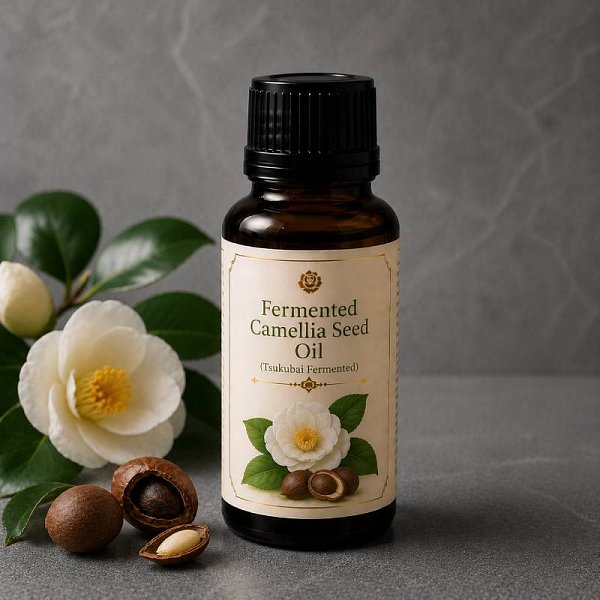
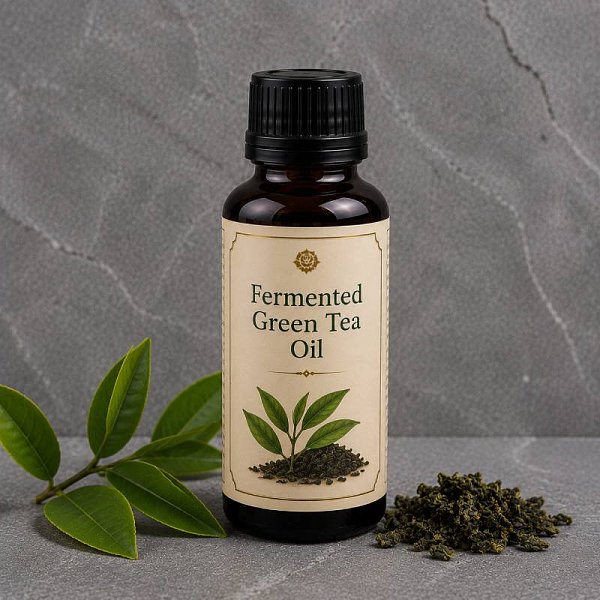
Fermented Oils
 Add to cart
Read more
 Add to cart
Read more
 Add to cart
Read more
How a fermented oil differs from a regular one
This section covers oils that have undergone fermentation, changing the composition and bioavailability of active compounds compared to a regular unrefined oil. This is a more advanced tier of active raw material gaining popularity in 2026 cosmetic formulations. The technology originates from the Korean cosmetic industry, where fermentation is traditionally used to boost the effectiveness of plant based raw materials.
Fermentation can enhance certain properties of an oil or make it more compatible with sensitive skin. For production volumes, it is easier to order from wholesale fermented oils. Related raw materials are collected in the fermented extracts section.
Varieties and applications
Fermented oils are used as an active ingredient in serums, creams and other targeted skincare formulations, rather than as a base oil for the entire formula. Dosage is usually lower than for regular base oils due to more concentrated action.
Selection and compatible ingredients
The section belongs to the broader Oils, Butters, Macerates, Oil Blends category, which also covers classic Liquid Oils and Solid Oils without fermentation processing.
A fermented oil pairs well with fermented extracts of the same plant from the related Fermented Extracts section, while less concentrated formulations suit Macerates or Herbal Oil Extracts and Infusions.
Practical notes on working with fermented raw materials
Fermentation technology is not standardised across manufacturers, so even oils from the same plant fermented by different methods can differ in active compound concentration. Before switching suppliers, it helps to retest a formula on a small batch.
A fermented oil does not replace base oil blends in a formula, it complements them as a targeted active ingredient, so a formula usually contains both types of raw material at once, a base and an active addition.
For massage formulations, where texture matters more than active compound concentration, regular massage oils without fermentation are more commonly used, leaving advanced raw material for a narrower line of skincare products.
Storage
Store fermented oils in tightly sealed packaging in a cool place away from direct sunlight, as active compounds are sensitive to oxidation even more than in a regular unrefined oil.
A small trial batch of a formula with a fermented oil allows the real effect on skin to be assessed before scaling production up to series volumes. This matters especially for sensitive skin.
Budgeting time for this kind of testing before launching a new line pays off later.
This reduces the risk of a failed product launch on the market.
Composition and stability of fermented oils
Fermented oils retain the main fatty acids of the source plant oil such as oleic and linoleic, yet the process alters the availability of certain compounds. Color and odor may differ from unrefined raw material due to fermentation. Oxidative stability depends on the source profile and storage conditions, usually requiring protection from light and air.
Unlike refined oils, fermented versions are more often based on unrefined feedstock and show greater batch-to-batch variation in color and aroma.
Recommendations
When choosing a fermented oil, the specific fermentation process matters, along with compatibility with the rest of the formulation, and retesting a formula when switching raw material suppliers. We have supplied active raw materials for cosmetics for over twelve years. Place your order by email with the item you need.
When working with fermented oils for cosmetics, formulators examine how a fermented oil undergoes processing that can influence the bioavailability of its components. Each fermented plant oil comes with documentation that specifies these aspects for accurate assessment. Such evaluation supports decisions on inclusion levels and combinations with other materials in cosmetic products. Attention to these details helps achieve desired texture and stability outcomes without unexpected variations between batches.
FAQ
What does fermentation do to an oil?
Fermentation changes the composition and bioavailability of active compounds compared to a regular unrefined oil. The main fatty acid profile stays similar, but availability of some compounds may increase. Color and odor often differ from the source material.
How is fermented oil used in a formulation?
Fermented oil is used as an active ingredient in targeted serums and creams. Dosage is usually lower than for regular base oils due to more concentrated action. It complements rather than replaces base oils in the formula.
How should fermented oils be stored?
Store in tightly sealed packaging in a cool place away from direct sunlight. Active compounds are sensitive to oxidation, so protection from air and light is important to maintain stability.
What quality documents are available for fermented oils?
Current documents are listed in the «Documents» block of each product card.
How is bioavailability described for a fermented plant oil?
The documentation for a fermented oil lists whether bioavailability of compounds has been influenced by the process.



